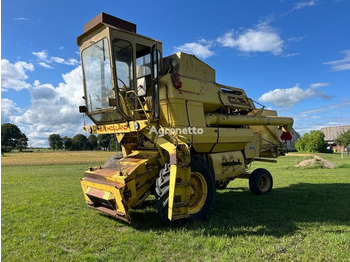
Harvesters


DEUTZ-FAHR C 9306 TS
179 900EUR
Price excl. VAT
- ≈ 18 448 924 INR
- ≈ 208 327 USD


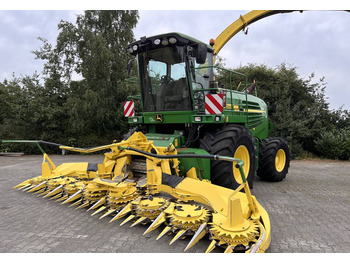
JOHN DEERE TRINCIA 9700i
260 000EUR
Price excl. VAT
- ≈ 26 663 260 INR
- ≈ 301 085 USD


JOHN DEERE TRINCIA 7950
45 000EUR
Price excl. VAT
- ≈ 4 614 795 INR
- ≈ 52 110 USD


JOHN DEERE TRINCIA 9900i
330 000EUR
Price excl. VAT
- ≈ 33 841 830 INR
- ≈ 382 146 USD


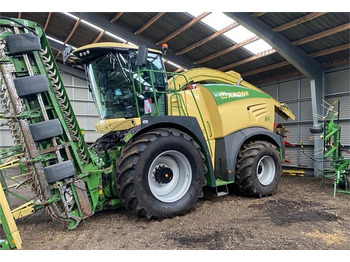
Krone BIG X650
49 999EUR
Price excl. VAT
- ≈ 5 127 447 INR
- ≈ 57 899 USD


Innovative machines, fast service, and expert support across Italy


Grimme SE 75-55-UB
45 600EUR
- ≈ 4 676 325 INR
- ≈ 52 805 USD


Vervaet BeetEater 625
39 000EUR
Price excl. VAT
- ≈ 3 999 489 INR
- ≈ 45 162 USD


CLAAS Lexion 570 *3-D* *4x4*
84 800EUR
- ≈ 8 696 324 INR
- ≈ 98 200 USD


John Deere 9780 i CTS HM
118 500EUR
- ≈ 12 152 293 INR
- ≈ 137 225 USD


Backed by our farming expertise to ensure you get the best value and reliable performance


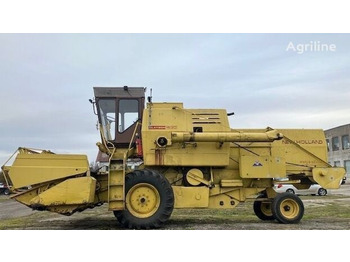
New Holland TC 56
29 800EUR
- ≈ 3 056 019 INR
- ≈ 34 508 USD


Deutz-Fahr 4090 HTS TopL.
26 500EUR
- ≈ 2 717 601 INR
- ≈ 30 687 USD


FAHR - M1000 - COMBINE HARVESTER - 1980


JOHN DEERE MIETITREBBIA S 560
35 000EUR
Price excl. VAT
- ≈ 3 589 285 INR
- ≈ 40 530 USD
4 million buyers per month search for vehicles and machinery on Truck1.


John Deere T660 2014 Rok, heder 7,6m, 2700 mtg na silniku, Najbogatsza Wersja, Nie Malowany, Stan Idealny
94 229EUR
- ≈ 9 663 278 INR
- ≈ 109 119 USD


Krone Easy Collect 600-2 FP Fit New Holland FR
29 500EUR
Price excl. VAT
- ≈ 3 025 254 INR
- ≈ 34 161 USD


Claas Lexion 550 2005 Rok, heder V750, Najbogatsza Wersja, Nie Malowany, Stan Idealny
73 683EUR
- ≈ 7 556 265 INR
- ≈ 85 326 USD


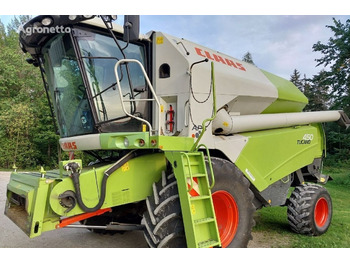
Claas Lexion 570
32 000EUR
- ≈ 3 281 632 INR
- ≈ 37 056 USD


Claas Lexion 560 TT
52 000EUR
- ≈ 5 332 652 INR
- ≈ 60 217 USD

Claas Lexion 630 Montana
140 000EUR
- ≈ 14 357 140 INR
- ≈ 162 122 USD

Claas Lexion 760 TT
190 000EUR
- ≈ 19 484 690 INR
- ≈ 220 023 USD


Laverda 25.50
40 000EUR
- ≈ 4 102 040 INR
- ≈ 46 320 USD
Agricultural harvesters represent the pinnacle of farm mechanization, combining cutting, threshing, cleaning, and grain handling operations in sophisticated self-propelled machines that revolutionize crop production efficiency. These complex implements enable farmers to harvest vast acreages quickly during optimal weather windows while maintaining grain quality and minimizing losses that could significantly impact profitability. Modern combine harvesters incorporate advanced technology including GPS guidance, yield mapping, automated adjustments, and real-time performance monitoring that optimize harvesting operations while providing valuable data for farm management decisions. The harvester truck category encompasses both traditional combine harvesters and specialized harvesting equipment designed for specific crops including corn, soybeans, wheat, rice, and specialty grains. Professional farming operations rely on these machines to process hundreds of hectares per day with precision and reliability, while their substantial investment costs of ₹1-5 crores require careful analysis of productivity benefits, operational efficiency, and long-term economic returns. The integration of harvester trucks with grain handling systems, storage facilities, and transportation networks creates comprehensive harvesting operations that maximize crop value while minimizing post-harvest losses and quality degradation.
Types and Classifications of Agricultural Harvesters
Combine harvesters represent the most versatile category, designed to harvest multiple grain crops through interchangeable header systems and adjustable processing components. Conventional combines feature traditional threshing cylinders and straw walkers that separate grain through mechanical agitation and screening. These machines typically range from compact 100-150 horsepower units suitable for small farms to large 400+ horsepower models capable of processing 40-60 tonnes per hour under optimal conditions.
Rotary combines utilize cylindrical rotors instead of conventional cylinders, providing more aggressive threshing action and improved separation efficiency. These designs excel in high-moisture conditions and tough threshing crops, while offering increased capacity and reduced grain damage compared to conventional systems. The enclosed rotor design enables better crop flow and processing consistency across varying field conditions.
Axial flow harvesters feature single or twin rotors aligned with machine direction, maximizing threshing and separation area while maintaining compact overall dimensions. These machines provide excellent grain quality and high capacity, particularly effective for corn and soybean harvesting where aggressive threshing is required. Advanced models incorporate variable rotor speeds and concave adjustments that optimize processing for different crops and conditions.
Specialty harvesters include rice combines with specialized features for wet field conditions, corn headers for maize harvesting, and sunflower headers for oil seed crops. These machines feature crop-specific modifications including sealed drives, corrosion-resistant materials, and specialized cutting and feeding systems optimized for particular crop characteristics and harvesting requirements.
Self-propelled forage harvesters represent a distinct category designed for silage production, featuring precision chopping systems that create uniform particle sizes essential for optimal fermentation and livestock nutrition. These machines typically achieve capacities of 50-100 tonnes per hour while maintaining consistent chop length and kernel processing quality crucial for high-quality silage production.
Advanced Technology and Performance Features
Modern harvester trucks incorporate sophisticated electronic systems that optimize performance while providing comprehensive operational data. Engine management systems automatically adjust power output based on crop load and processing requirements, maximizing fuel efficiency while maintaining consistent ground speed and processing quality. Advanced models feature continuously variable transmissions that maintain optimal engine RPM regardless of ground speed variations.
Automated header control systems maintain consistent cutting height and ground following through hydraulic adjustments responding to terrain variations and crop conditions. These systems prevent soil contamination while minimizing crop losses from excessive stubble height or header contact damage. GPS integration enables automatic steering and header control that reduces operator fatigue while improving harvesting precision.
Yield monitoring systems utilize grain flow sensors, moisture meters, and GPS positioning to create detailed harvest maps showing crop productivity variations across fields. This information enables precision agriculture applications including variable rate fertilization, seed placement, and crop protection strategies that optimize input utilization and maximize profitability.
Cleaning systems feature variable fan speeds, adjustable sieves, and return systems that maintain grain quality while maximizing cleaning efficiency. Electronic monitoring provides real-time feedback on cleaning performance, while automated adjustments respond to changing crop conditions and moisture levels. Advanced systems include loss monitors that alert operators to excessive grain losses requiring adjustment modifications.
Grain handling systems incorporate large-capacity grain tanks, high-speed unloading augers, and automated tank management that maximizes field efficiency while minimizing grain handling time. Tank capacities typically range from 6,000 liters for compact combines to 15,000+ liters for large machines, enabling extended harvesting periods without interruption for unloading operations.
Applications Across Different Crop Systems
Wheat harvesting represents the primary application for most combine harvesters, requiring machines capable of handling varying crop densities, moisture conditions, and field characteristics. Modern wheat combines feature straw chopping systems that distribute residue evenly for improved soil conditions and subsequent crop establishment. Header widths typically range from 4-12 meters, with larger headers providing increased productivity in extensive wheat farming operations.
Corn harvesting utilizes specialized corn headers that strip ears from stalks while chopping and distributing stalks across the field. These systems require robust construction and powerful drives to handle tough stalks and high crop volumes. Kernel processors crack corn kernels to improve livestock digestibility when harvesting for silage production, while grain corn harvesting emphasizes gentle handling to minimize kernel damage and maximize market quality.
Rice harvesting demands specialized equipment designed for wet field conditions and delicate grain handling. Rice combines feature sealed drives, corrosion-resistant materials, and gentle threshing systems that minimize grain breakage while achieving complete separation. Specialized tracks or large flotation tires distribute machine weight to prevent field damage and enable operation in soft conditions.
Soybean harvesting requires gentle handling to prevent pod shattering and seed damage that reduces yield and quality. Flexible cutterbar headers conform to ground contours for low cutting heights essential for soybean recovery, while gentle threshing systems minimize seed cracking that affects germination and processing quality. Advanced combines feature automatic header height control that maintains optimal cutting position regardless of ground variations.
Specialty crop harvesting includes sunflowers, canola, and other oil seeds that require specific header configurations and processing adjustments. These crops often demand gentle handling, specialized cleaning systems, and modified grain handling to accommodate different seed sizes and characteristics. Custom harvesting operations often specialize in particular crops, utilizing equipment optimized for specific harvesting requirements.
Economic Analysis and Investment Considerations
Harvester truck investments represent substantial capital commitments requiring comprehensive economic analysis. New combine harvesters typically range from ₹1.5-3 crores for mid-size units to ₹4-5 crores for large, fully-equipped machines. These costs must be evaluated against productivity improvements, labor savings, and harvest timing advantages that justify the substantial investment over 10-15 year depreciation periods.
Operating costs include fuel consumption, maintenance, repairs, and operator wages. Large combines typically consume 25-40 liters of fuel per hour during harvest operations, while maintenance costs average 8-12% of machine value annually. Major component rebuilds including engines, transmissions, and threshing systems occur at 2,000-4,000 hour intervals, requiring substantial maintenance reserves and planning.
Productivity analysis must consider harvest capacity, field efficiency, and seasonal utilization patterns. Modern combines can harvest 150-300 hectares per day under optimal conditions, with actual productivity depending on crop yields, field size, transport logistics, and weather conditions. Annual utilization typically ranges from 200-600 hours depending on farm size and crop diversity.
Custom harvesting provides alternatives to ownership for smaller operations or farms with limited harvest acreage. Custom rates typically range from ₹3,000-8,000 per hectare depending on crop type, field conditions, and local competition. Operations harvesting less than 400-500 hectares annually often find custom services more economical than equipment ownership, while larger operations benefit from ownership through improved timing control and reduced per-hectare costs.
Resale values depend on hours, condition, model popularity, and technology advancement. Well-maintained combines from reputable manufacturers typically retain 40-60% of original value after 8-10 years, while technology obsolescence can significantly impact values as precision agriculture features become standard. Regular maintenance, proper storage, and detailed service records significantly enhance resale values.
Selection Criteria and Operational Optimization
Crop requirements represent the primary selection criterion, with different crops demanding specific processing capabilities and header configurations. Multi-crop operations benefit from versatile combines with interchangeable headers and adjustable processing systems, while single-crop specialists may choose machines optimized for particular applications. The harvester truck selection should accommodate primary crops while providing flexibility for potential crop rotations or rental opportunities.
Farm size and field characteristics determine appropriate machine capacity and features. Large, uniform fields accommodate wide headers and high-capacity machines that maximize productivity, while smaller or irregular fields require more maneuverable equipment with moderate capacity. Field access, storage facilities, and transport infrastructure must accommodate chosen equipment dimensions and capacities.
Labor availability affects automation requirements and operational complexity. Sophisticated combines with automated adjustments and monitoring systems reduce operator skill requirements while providing consistent performance across varying conditions. Simpler machines may offer lower initial costs but require more experienced operators and frequent manual adjustments that increase labor demands.
Service support and dealer networks significantly impact long-term satisfaction and operational reliability. Harvesting occurs during narrow weather windows when equipment failures can result in substantial crop losses, making local service availability and parts support critical selection factors. Established dealer networks provide training, maintenance services, and emergency support essential for reliable harvesting operations.
Technology integration capabilities influence long-term value and operational efficiency. Modern precision agriculture systems require combines with compatible data collection and control systems that integrate with farm management software. GPS guidance, yield mapping, and automated controls provide immediate benefits while positioning operations for future technology adoption and precision agriculture implementation.
Maintenance and Safety Protocols
Pre-season preparation requires comprehensive inspection and service of all harvester systems to ensure reliability during critical harvest periods. Engine service, transmission maintenance, hydraulic system inspection, and belt replacement should occur before harvest season when weather delays could compromise entire crops. Specialized tools and facilities may be required for major maintenance procedures, necessitating dealer relationships or mobile service arrangements.
Daily maintenance during harvest includes lubrication, cleaning, belt inspection, and performance monitoring essential for preventing breakdowns during peak workload periods. Cleaning systems require particular attention to prevent buildup that reduces efficiency and increases fire risk, while cutting components need frequent inspection and adjustment to maintain harvest quality and minimize losses.
Safety considerations include fire prevention, electrical safety, and mechanical hazard protection. Grain dust and chaff create significant fire hazards requiring regular cleaning and spark prevention measures. Electrical systems operate in harsh environments with substantial dust and moisture exposure, demanding protective enclosures and regular inspection. Moving components including belts, augers, and rotors present entanglement hazards requiring comprehensive guarding and lockout procedures.
Seasonal storage requires thorough cleaning, lubrication, and protection from weather and rodent damage. Indoor storage prevents weather exposure while enabling easier pre-season preparation, though large combines may require specialized facilities. Fuel system stabilization, cooling system protection, and battery maintenance prevent damage during extended storage periods.
Parts inventory management ensures availability of critical components during harvest season when delays could result in crop losses. High-wear items including belts, chains, cutting components, and filters should be maintained in inventory, while major components may require pre-ordering due to limited dealer stock. Relationships with multiple dealers and parts suppliers provide backup options during critical periods.
What factors determine pricing and selection criteria for harvester truck investments?
Harvester truck pricing ranges from ₹1.5-3 crores for mid-size combines to ₹4-5 crores for large, fully-equipped machines. Key factors include engine power (200-500 HP), grain tank capacity (6,000-15,000 liters), header width (4-12 meters), and technology features like GPS guidance and yield mapping. Selection criteria include crop types, farm size (machines justify costs above 400-500 hectares annually), field characteristics, and required automation level. Technology integration, dealer support, and resale value considerations significantly impact long-term investment returns.
How do different combine harvester types compare in terms of performance and crop suitability?
Conventional combines excel in wheat and small grains with traditional cylinder-and-walker systems, while rotary combines provide better performance in tough conditions and high-moisture crops. Axial flow harvesters offer superior capacity and grain quality for corn and soybeans through single or twin rotor designs. Specialty harvesters include rice combines with sealed systems for wet conditions and corn-specific units with kernel processors. Performance varies from 20-40 tonnes per hour for wheat to 50-80 tonnes per hour for corn, depending on conditions and machine configuration.
What are the operating costs and productivity expectations for modern combine harvesters?
Operating costs include fuel consumption (25-40 liters per hour), maintenance (8-12% of machine value annually), and operator wages. Large combines can harvest 150-300 hectares per day under optimal conditions, with annual utilization typically 200-600 hours. Major rebuilds occur every 2,000-4,000 hours, costing ₹15-30 lakhs for engine/transmission work. Total operating costs average ₹2,500-4,500 per hectare, making ownership economical for operations exceeding 400-500 hectares annually compared to custom harvesting rates of ₹3,000-8,000 per hectare.
How do precision agriculture technologies enhance harvester performance and farm management?
Modern harvesters incorporate GPS guidance for automated steering, yield mapping for productivity analysis, and moisture monitoring for grain quality management. These systems reduce operator fatigue, improve harvest precision, and provide valuable data for precision agriculture applications. Automated header height control prevents soil contamination while minimizing losses, while variable-speed systems optimize processing for changing conditions. Technology typically adds ₹8-15 lakhs to base machine cost but provides returns through improved efficiency, reduced waste, and enhanced farm management capabilities.
What maintenance requirements are critical for harvester reliability during peak season?
Critical maintenance includes pre-season engine service, belt replacement, cutting system inspection, and cleaning system calibration. Daily maintenance during harvest involves lubrication, cleaning, performance monitoring, and wear component inspection. Fire prevention through regular cleaning is essential, while parts inventory management ensures availability of belts, chains, filters, and cutting components. Annual maintenance costs average 8-12% of machine value, with major component rebuilds every 2,000-4,000 hours requiring substantial planning and investment.
How do custom harvesting services compare to equipment ownership for different farm sizes?
Custom harvesting typically costs ₹3,000-8,000 per hectare compared to ownership costs of ₹2,500-4,500 per hectare for operations exceeding 400-500 hectares annually. Smaller farms benefit from custom services through reduced capital investment and maintenance responsibility, while larger operations gain timing control and lower per-hectare costs through ownership. Custom operations provide specialized equipment and expertise but may face scheduling conflicts during peak seasons. The decision threshold typically occurs around 400-500 hectares annually, varying by crop types and local custom availability.
What safety features and protocols are essential for harvester truck operation?
Essential safety features include comprehensive guarding around moving components, emergency stop systems, fire suppression equipment, and electrical protection for harsh environments. Operators require training on lockout procedures, fire prevention, and electrical safety in dusty conditions. Grain dust presents significant explosion hazards requiring regular cleaning and spark prevention measures. Safety protocols include daily inspection routines, proper lockout procedures during maintenance, and fire prevention through equipment cleaning and static electricity control.
How do different header types and configurations affect harvesting performance?
Header selection significantly impacts performance and crop recovery. Grain headers with flexible cutterbars provide optimal ground following for soybeans and low-growing crops, while rigid headers suit wheat and uniform crops. Corn headers with stalk choppers manage residue while maximizing ear recovery, typically costing ₹8-15 lakhs additional. Header widths from 4-12 meters affect productivity, with wider headers increasing capacity but requiring larger machines and careful transport planning. Automatic header height control adds ₹2-5 lakhs but significantly improves performance and reduces losses.
What financing and ownership alternatives are available for harvester investments?
Financing options include traditional equipment loans (8-12% interest, 7-10 year terms), manufacturer financing programs, and leasing arrangements. Operating leases enable equipment upgrades without ownership while including maintenance packages, while finance leases provide ownership benefits with lower monthly payments. Joint ownership agreements enable smaller operations to share costs and utilization, while custom harvesting provides services without ownership investment. Government subsidies may provide 25-40% assistance for qualifying operations, significantly improving investment economics.
How do storage, transport, and logistics considerations affect harvester selection and operation?
Large combines require specialized storage facilities and transport equipment for field-to-field movement. Machine dimensions affect road transport regulations and bridge clearances, while storage requirements include climate control and security considerations for expensive equipment. Grain handling logistics must accommodate high-capacity machines with large grain tanks and fast unloading systems. Field access, turning radius, and ground pressure considerations affect machine mobility and soil protection, particularly important in wet conditions or sensitive soils requiring careful traffic management.