
Articulated dumpers
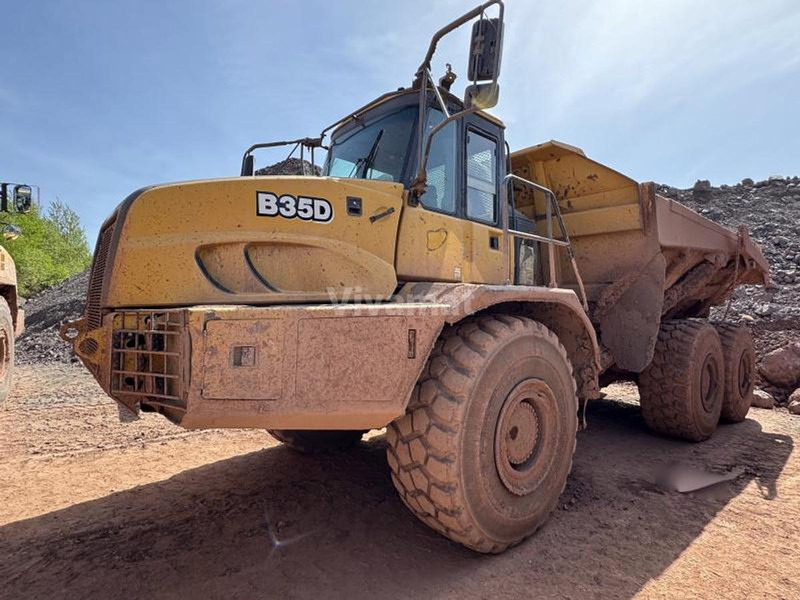
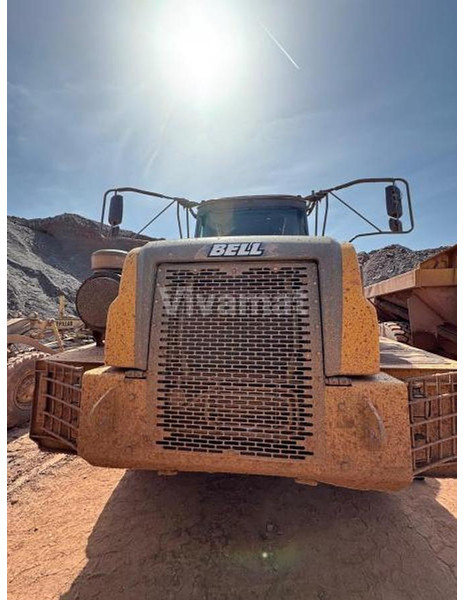
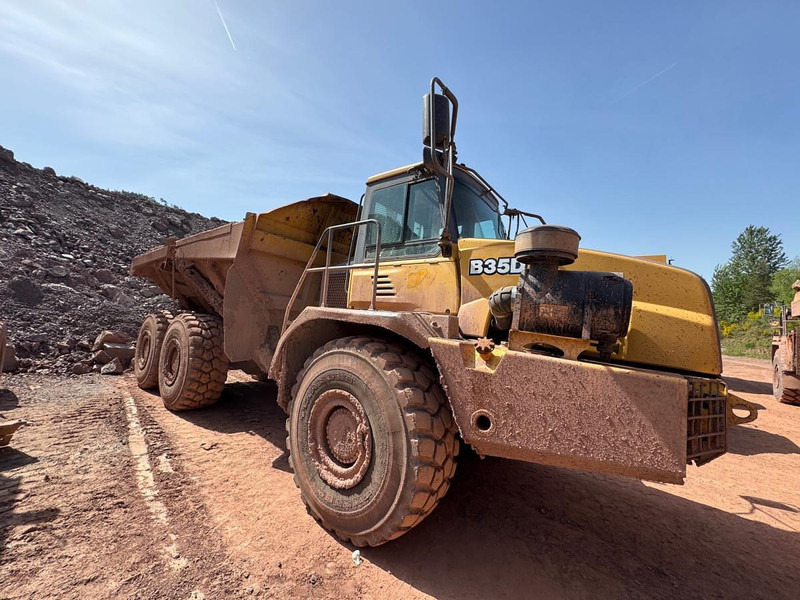
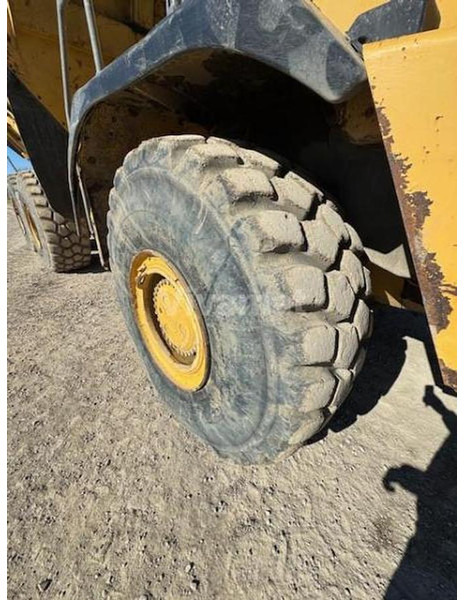
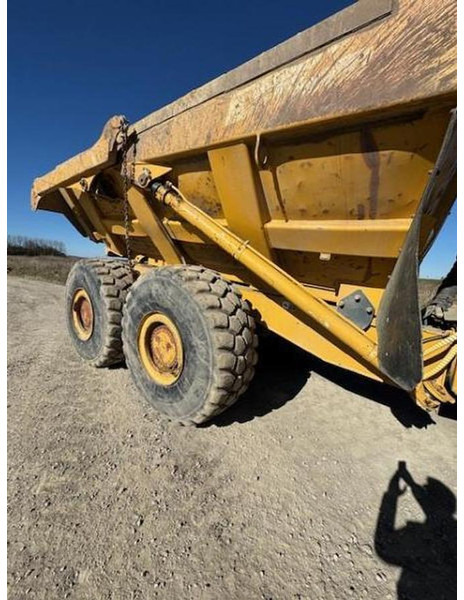
2006 Bell B35D


CATERPILLAR 740


Volvo A 25 G (12001065)
112 000EUR
Price excl. VAT
- ≈ 12 575 136 INR
- ≈ 131 482 USD


CAT 730C2
109 900EUR
Price excl. VAT
- ≈ 12 339 352 INR
- ≈ 129 017 USD


CAT 730C2
102 500EUR
Price excl. VAT
- ≈ 11 508 495 INR
- ≈ 120 329 USD


25+ Countries • 60-Point Inspection • 80+ Photos • No Commissions


CAT 730C2
109 900EUR
Price excl. VAT
- ≈ 12 339 352 INR
- ≈ 129 017 USD


Ducati 748R


Wacker DW40
25 500EUR
- ≈ 2 863 089 INR
- ≈ 29 935 USD


Volvo A 30 G
107 500EUR
- ≈ 12 069 885 INR
- ≈ 126 199 USD


Top brands like CAT, Volvo & Komatsu — ready to work, ready to ship


Hydrema 912 C


2019 Hydrema 912F


VOLVO BM 861
1 281EUR
- ≈ 143 828 INR
- ≈ 1 503 USD


Volvo N 10 6X6 - FASSI 8TM CRANE (5x in stock)
4 million buyers per month search for vehicles and machinery on Truck1.


Volvo A25G Dumper (130436)


TEREX TA 30
45 000EUR
Price excl. VAT
- ≈ 5 052 510 INR
- ≈ 52 827 USD


QINGDAO PROMISING 2.0T Small Articulated Dumper DP20
6 500EUR
Price excl. VAT
- ≈ 729 807 INR
- ≈ 7 630 USD

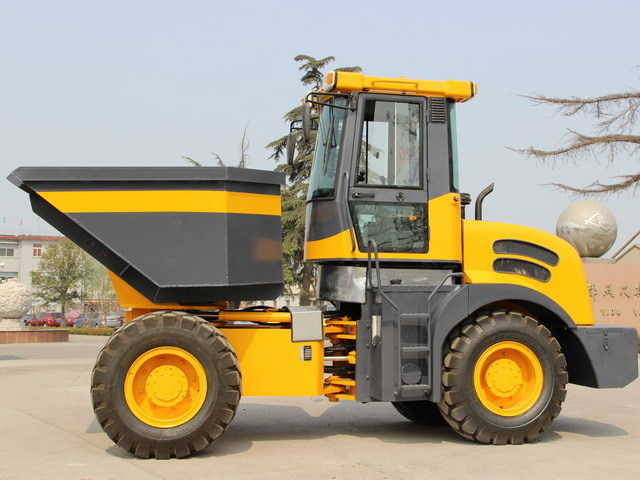
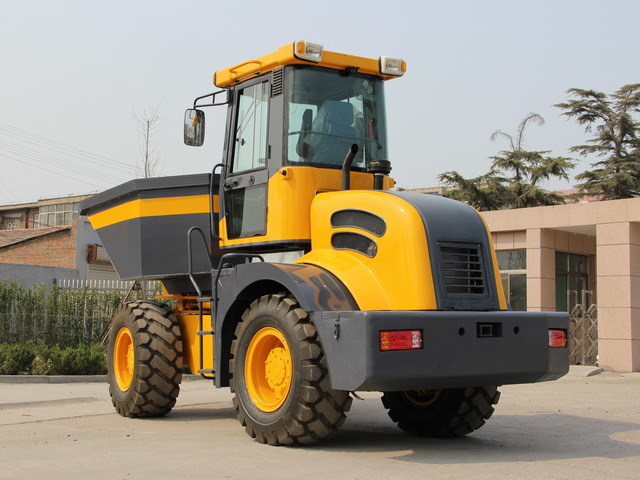
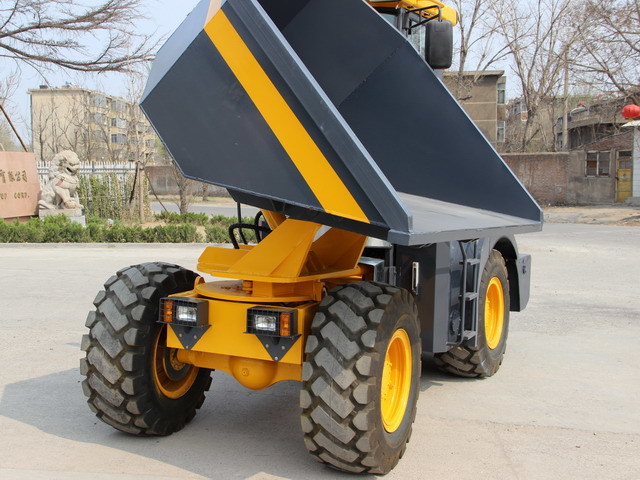
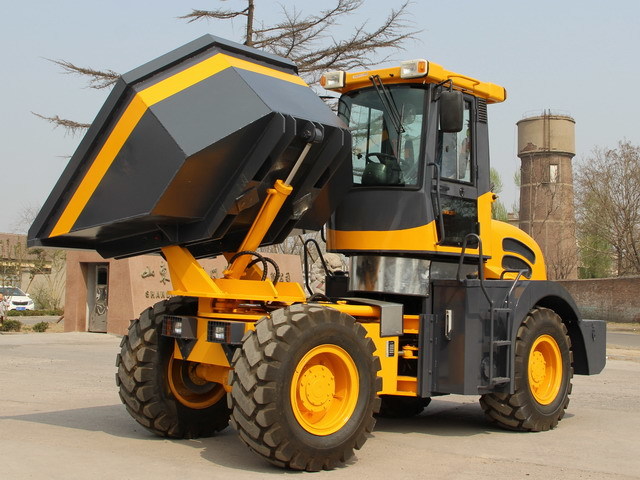
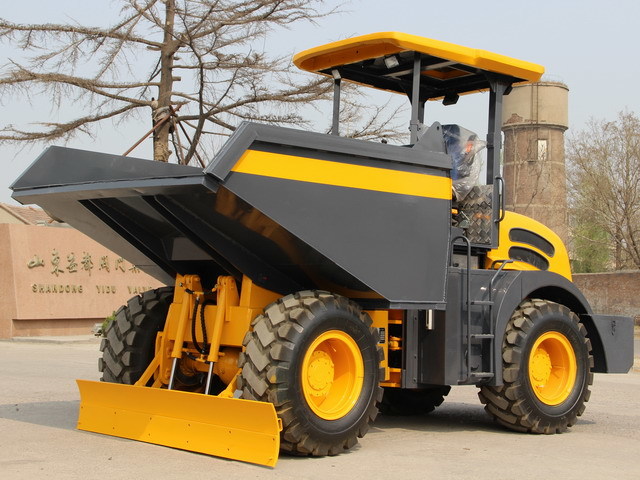
Qingdao Promising 6.0T 4WD Articulated Dumper DP60
10 500EUR
Price excl. VAT
- ≈ 1 178 919 INR
- ≈ 12 326 USD

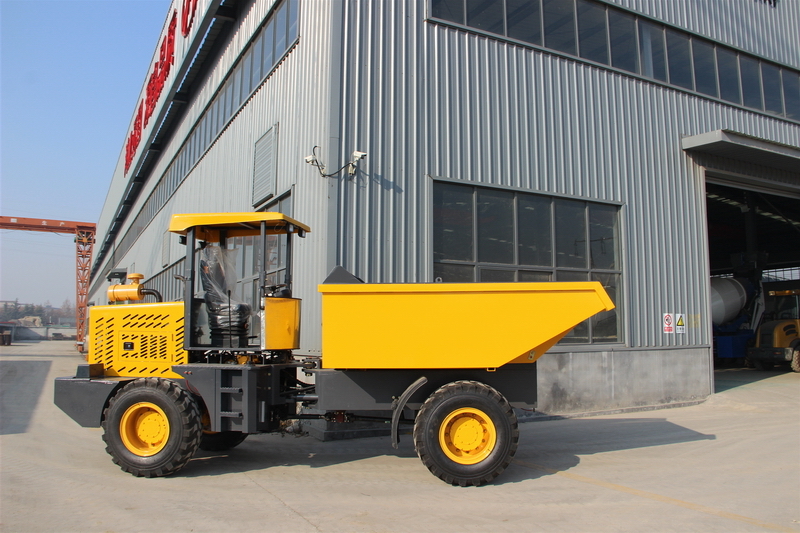


QINGDAO PROMISING 9.0T Capacity Articulated Site Dumper DP90
13 500EUR
Price excl. VAT
- ≈ 1 515 753 INR
- ≈ 15 848 USD

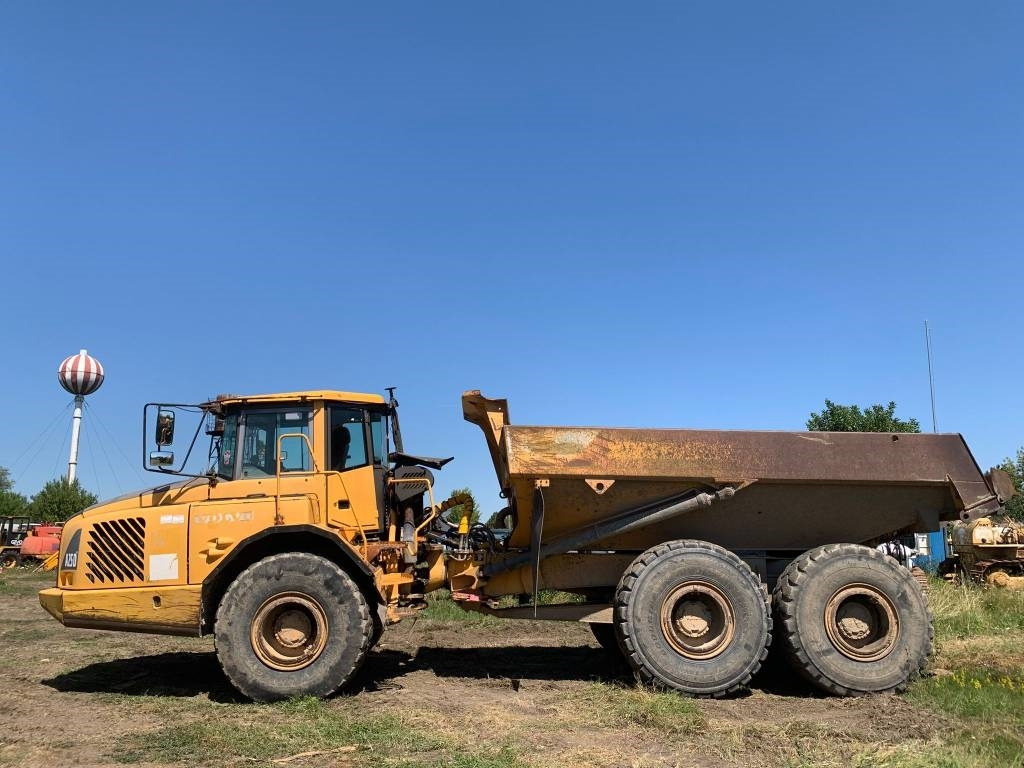
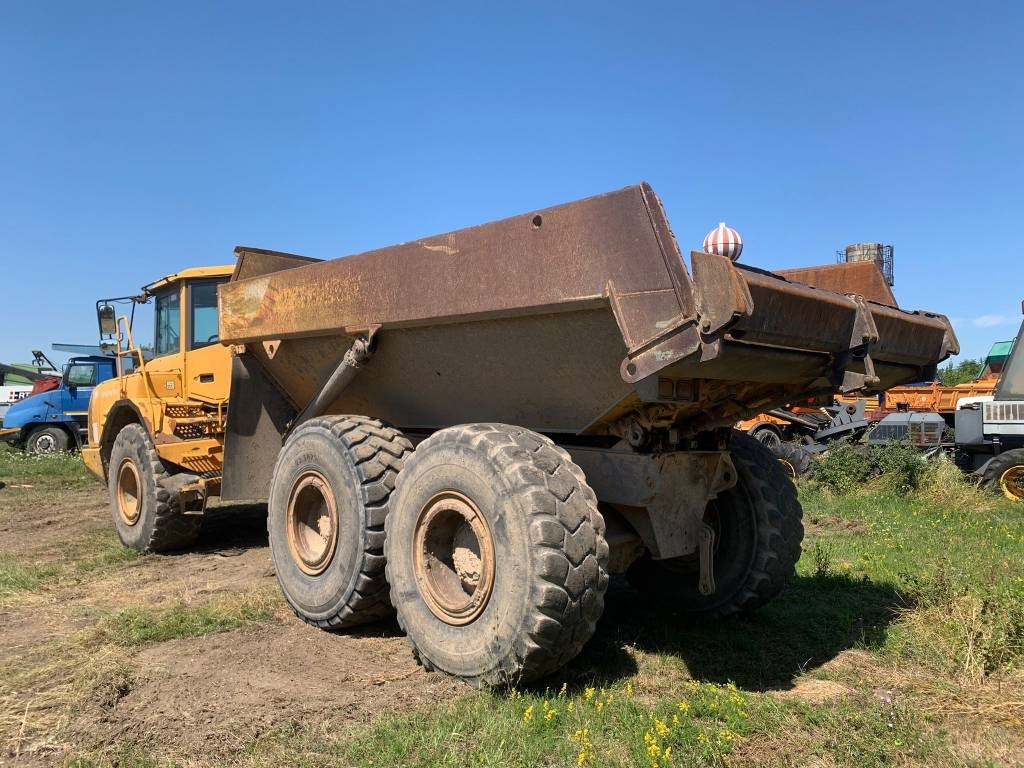


Volvo A 25 D
57 000EUR
- ≈ 6 399 846 INR
- ≈ 66 915 USD


Benford 6000 PS
10 500EUR
- ≈ 1 178 919 INR
- ≈ 12 326 USD


Volvo BM 861
15 000EUR
- ≈ 1 684 170 INR
- ≈ 17 609 USD
Articulated dump trucks represent a specialized category of off-highway construction equipment designed for transporting materials across challenging terrain where conventional trucks cannot operate effectively. These six-wheeled vehicles feature a unique articulated joint between the cab and dump body, providing exceptional maneuverability and traction on soft, uneven, or steep surfaces. The articulated design allows the front and rear sections to move independently, maintaining ground contact and stability in conditions that would immobilize rigid-frame vehicles. Construction companies, mining operations, and infrastructure projects rely on articulated dumpers for hauling materials like soil, gravel, sand, and debris across job sites. Modern articulated dump truck price ranges vary significantly based on payload capacity, engine specifications, and advanced features, with units typically costing between $300,000 to $800,000 new. The dumpers price reflects sophisticated engineering that combines powerful engines, advanced transmission systems, and robust hydraulic components designed for continuous operation in harsh working environments.
Technical Specifications and Payload Classifications
Articulated dump trucks are classified primarily by payload capacity, ranging from compact 25-ton units to heavy-duty models exceeding 45 tons. Engine power typically ranges from 350-450 horsepower, with most manufacturers utilizing Tier 4 Final emissions-compliant diesel engines. The articulated steering system provides turning angles up to 40 degrees, enabling tight maneuvering in confined spaces while maintaining stability under full load conditions.
Transmission systems feature powershift or continuously variable transmissions with 6-8 forward speeds and multiple reverse gears. Advanced models incorporate load-sensing hydraulic systems that automatically adjust power distribution based on terrain conditions and payload weight. Ground clearance typically exceeds 16 inches, while approach and departure angles of 35-40 degrees enable operation on steep grades up to 30% loaded and 50% empty.
Suspension systems utilize independent front suspension with oscillating rear axles, providing superior ride quality and component protection. Modern articulated dumpers feature differential locks on both axles, traction control systems, and optional tire pressure monitoring to optimize performance across varying surface conditions. Dump body capacities range from 15-28 cubic yards, with ejector systems available for sticky materials that resist gravity discharge.
Hydraulic systems operate at pressures up to 5,000 PSI, enabling rapid dump cycles typically completed in 10-15 seconds. Advanced cooling systems with reversible fans prevent overheating during continuous operation in dusty environments. Electronic monitoring systems provide real-time data on engine parameters, hydraulic temperatures, and maintenance requirements to optimize uptime and prevent costly failures.
Applications and Operational Advantages
Articulated dump trucks excel in applications where conventional rigid trucks cannot operate safely or efficiently. Quarry operations utilize these machines to transport materials from extraction points to processing areas across rough, unpaved terrain. The articulated design maintains traction and stability on loose surfaces, wet conditions, and steep grades that would challenge wheeled loaders or highway trucks.
Large construction projects benefit from articulated dumpers' ability to operate in confined spaces while maintaining high productivity. Road construction projects use these machines to transport materials across soft subgrades and through areas with limited access. The superior flotation characteristics prevent rutting and ground damage compared to heavier rigid trucks, particularly important in environmental restoration projects.
Mining applications demand the robust construction and continuous duty capability of articulated dump trucks. These machines operate in 24/7 cycles, requiring exceptional reliability and serviceability. Advanced models feature automated load counting systems and GPS tracking for production monitoring and fleet management optimization.
Infrastructure projects in remote locations rely on articulated dumpers for their ability to navigate challenging terrain without requiring prepared roads. Pipeline construction, utility installations, and environmental remediation projects utilize these machines where traditional equipment cannot access work areas effectively. The articulated design provides excellent stability when working on slopes, reducing rollover risk compared to conventional dump trucks.
Performance Characteristics and Efficiency Factors
Modern articulated dump trucks achieve cycle times that maximize productivity while minimizing fuel consumption. Typical loading cycles range from 1-3 minutes depending on material characteristics and loading equipment efficiency. Travel speeds up to 35 mph on improved surfaces enable rapid transit between loading and dumping locations, while sophisticated transmission programming maintains optimal engine RPM for fuel efficiency.
Fuel consumption varies from 3-8 gallons per hour based on operating conditions, payload weight, and duty cycle intensity. Advanced engine management systems incorporate electronic controls that optimize power delivery, reduce emissions, and extend maintenance intervals. Automatic idle shutdown systems and economy modes further reduce fuel consumption during standby periods.
Tire selection significantly impacts performance and operating costs. Standard rubber tires provide excellent ride quality and speed capability on improved surfaces, while specialized treads optimize traction in specific conditions. Radial tire designs offer longer life and lower rolling resistance, reducing both fuel consumption and tire replacement costs. Proper tire pressure maintenance is critical for optimal performance and tire longevity.
Operator comfort features directly impact productivity and safety. Modern cabs feature air suspension, climate control, low-noise environments, and ergonomic controls that reduce operator fatigue during long shifts. Advanced visibility packages include LED lighting, backup cameras, and obstacle detection systems that enhance safety in low-light conditions and congested work areas.
Economic Considerations and Total Cost of Ownership
Articulated dump truck price analysis requires consideration of multiple factors beyond initial purchase cost. New units from major manufacturers typically range from $400,000-600,000 for mid-size models, while heavy-duty units can exceed $800,000. Used equipment offers significant cost savings, with 3-5 year old units typically priced at 50-70% of new values depending on hours and condition.
Operating costs include fuel, maintenance, repairs, tires, and operator wages. Fuel represents the largest variable cost, typically accounting for 30-40% of total operating expenses. Maintenance costs average $15-25 per operating hour, including scheduled services, hydraulic fluid changes, and component replacements. Tire costs can reach $40,000-60,000 per set, with replacement intervals of 3,000-6,000 hours depending on application severity.
Productivity calculations must account for payload capacity, cycle times, and equipment availability. Well-maintained articulated dumpers typically achieve 85-90% availability rates, with planned maintenance accounting for most downtime. Production rates of 200-400 tons per hour are achievable in optimal conditions, making these machines cost-effective for high-volume applications.
Resale values depend on manufacturer reputation, maintenance history, and market demand. Premium brands typically retain 40-50% of original value after 5 years and 8,000-10,000 hours of operation. Regular maintenance, proper storage, and detailed service records significantly impact resale values and overall ownership costs. Dumpers price in the used market reflects these factors, with well-maintained units commanding premium pricing.
Selection Criteria and Fleet Management
Choosing appropriate articulated dump trucks requires careful analysis of application requirements, site conditions, and production goals. Payload capacity should match loading equipment bucket size for optimal efficiency, typically requiring 3-5 loader passes to achieve full truck capacity. Overloading reduces component life and increases fuel consumption, while underloading compromises productivity.
Site conditions dictate specific equipment features and configurations. Soft ground conditions require wide tires and minimal ground pressure, while rocky terrain demands reinforced undercarriage protection and heavy-duty tires. Steep grade operations benefit from enhanced engine braking systems and transmission retarders that reduce service brake wear and improve safety.
Fleet standardization provides significant advantages in parts inventory, operator training, and service efficiency. Utilizing equipment from a single manufacturer reduces complexity while improving parts availability and service support. Mixed fleets may offer lower initial costs but typically increase long-term operating expenses and complicate maintenance procedures.
Telematics systems provide valuable data for fleet optimization and cost control. GPS tracking, fuel monitoring, and diagnostic capabilities enable proactive maintenance scheduling and operator performance evaluation. Advanced systems provide real-time alerts for maintenance requirements, unauthorized usage, and operational anomalies that could lead to costly failures or safety incidents.
Maintenance and Service Requirements
Articulated dump trucks require comprehensive maintenance programs to achieve optimal reliability and longevity. Daily inspections should include hydraulic fluid levels, tire pressure, cooling system condition, and visual examination of structural components. Engine oil and filter changes typically occur every 250-500 hours, while hydraulic system service intervals range from 1,000-2,000 hours depending on operating conditions.
Transmission maintenance represents a critical aspect of service requirements. Automatic transmissions require fluid and filter changes every 1,000-1,500 hours, while manual transmissions may extend to 2,000-3,000 hours. Differential service intervals typically range from 1,500-3,000 hours, with more frequent service required in severe-duty applications involving continuous operation in dusty or abrasive conditions.
Articulation joint maintenance requires regular lubrication and inspection for wear or damage. These critical components experience high stress levels and require premium lubricants and frequent service to prevent costly failures. Hydraulic cylinder rebuilds typically occur every 6,000-10,000 hours, while pump and valve replacement may be required at 8,000-12,000 hour intervals.
Preventive maintenance scheduling should account for both hours and calendar time, as components can deteriorate during extended storage periods. Rubber components, seals, and hoses require replacement based on age regardless of operating hours. Proper storage procedures during off-season periods prevent corrosion and component degradation that could lead to premature failures and increased operating costs.
What factors influence articulated dump truck price ranges in the current market?
Articulated dump truck price depends on payload capacity, engine specifications, technology features, and manufacturer reputation. New units range from $400,000-600,000 for standard models, while heavy-duty units exceed $800,000. Key price factors include payload capacity (25-45 tons), engine power (350-450 HP), transmission type, and advanced features like GPS tracking and automated systems. Market conditions, seasonal demand, and regional availability also impact pricing significantly.
How do dumpers price compare between new and used equipment options?
Used articulated dumpers typically cost 50-70% of new prices depending on age, hours, and condition. A $500,000 new unit may sell for $250,000-350,000 after 3-5 years with 6,000-8,000 hours. Dumpers price in the used market reflects maintenance history, remaining component life, and current market demand. Well-maintained units from premium manufacturers command higher prices but often provide better long-term value through improved reliability and resale potential.
What payload capacities are available in articulated dump truck configurations?
Articulated dump trucks offer payload capacities from 25-45 tons, with corresponding dump body volumes of 15-28 cubic yards. Compact 25-ton units suit smaller construction projects, while 35-40 ton models serve most general construction applications. Heavy-duty 45-ton units are designed for mining and large-scale earthmoving operations. Payload selection should match loading equipment capacity, typically requiring 3-5 loader passes for optimal efficiency and productivity.
How do articulated dumpers perform compared to rigid dump trucks?
Articulated dumpers provide superior traction and maneuverability compared to rigid trucks through their unique jointed design. The articulated steering system enables 40-degree turning angles and maintains stability on slopes up to 30% loaded. While rigid trucks offer higher road speeds and payload capacities, articulated units excel in soft ground conditions, confined spaces, and rough terrain where conventional trucks cannot operate safely or efficiently.
What maintenance intervals are critical for articulated dump truck longevity?
Critical maintenance includes engine oil changes every 250-500 hours, hydraulic system service every 1,000-2,000 hours, and transmission service every 1,000-1,500 hours. Daily inspections should cover hydraulic fluids, tire pressure, and cooling systems. Articulation joint lubrication requires attention every 250 hours, while major component rebuilds occur at 6,000-12,000 hour intervals. Proper maintenance typically achieves 15,000-20,000 hour service life before major overhaul requirements.
What operating conditions best suit articulated dump truck applications?
Articulated dump trucks excel in soft ground conditions, steep terrain, and confined work areas where conventional trucks struggle. Optimal applications include quarry operations, large construction sites, mining support, and infrastructure projects requiring off-road hauling capability. These machines perform best in continuous-duty cycles with haul distances of 0.5-3 miles, where their superior traction and flotation characteristics provide significant advantages over wheeled loaders or highway trucks.
How do fuel consumption rates vary among different articulated dumper models?
Fuel consumption ranges from 3-8 gallons per hour based on engine size, payload weight, terrain conditions, and operator practices. Smaller 25-30 ton units typically consume 4-6 gallons per hour, while heavy-duty 40-45 ton models may require 6-8 gallons per hour under heavy-duty conditions. Modern Tier 4 engines with electronic controls provide 10-15% better fuel efficiency compared to older models, while proper maintenance and operator training can reduce consumption by an additional 5-10%.
What safety features are standard on modern articulated dump trucks?
Modern articulated dumpers include ROPS/FOPS certified cabs, backup alarms, warning lights, and automatic parking brakes. Advanced safety features include stability monitoring systems, load weight indicators, and traction control that prevents wheel spin on slippery surfaces. Visibility enhancements include LED lighting packages, backup cameras, and side-view mirrors. Operator presence systems prevent machine movement when the operator is not properly seated, while emergency shutdown systems provide immediate power cutoff capability.
How do tire selection and maintenance impact articulated dumper performance?
Tire selection significantly affects performance, fuel consumption, and operating costs. Standard rubber tires provide excellent ride quality and 35 mph road speeds, while specialized treads optimize traction in specific conditions. Radial designs offer 20-30% longer life and reduced rolling resistance compared to bias-ply tires. Proper inflation pressure is critical - underinflation increases fuel consumption by 5-10% and reduces tire life by 25%, while overinflation compromises traction and ride quality.
What financing and leasing options are available for articulated dump truck purchases?
Financing options include traditional bank loans, manufacturer financing programs, and equipment leasing arrangements. Bank financing typically offers 5-7 year terms at competitive rates for qualified buyers. Manufacturer programs may provide promotional rates or extended warranty coverage. Leasing options include fair market value leases (2-5 years) and $1 buyout leases that function as financing alternatives. Operating leases provide tax advantages and include maintenance packages, while finance leases offer ownership benefits with lower monthly payments than purchase financing.