
Backhoe loaders


JCB 3CX Stock No T664


CAT 420F2 Wholesale direct pricing
20 495EUR
- ≈ 2 250 166 INR
- ≈ 23 750 USD


JCB 3CX 4CX BRAND NEW
22 389EUR
- ≈ 2 458 110 INR
- ≈ 25 945 USD


XCMG XC870K BRAND NEW Premium quality assured
42 110EUR
- ≈ 4 623 299 INR
- ≈ 48 799 USD


CAT 420F2 428F 432F 27-year anniversary sale
18 514EUR
- ≈ 2 032 670 INR
- ≈ 21 454 USD


25+ Countries • 60-Point Inspection • 80+ Photos • No Commissions


CAT 420F2 416E 428F 432F 3000+ units in stock
20 667EUR
- ≈ 2 269 050 INR
- ≈ 23 949 USD


JCB 4CX 4*4 Drive China largest dealer
30 140EUR
- ≈ 3 309 100 INR
- ≈ 34 927 USD


JCB 4CX BRAND NEW China largest dealer
30 140EUR
- ≈ 3 309 100 INR
- ≈ 34 927 USD


JCB 3CX 3000+ units in stock
31 001EUR
- ≈ 3 403 630 INR
- ≈ 35 925 USD


Top brands like CAT, Volvo & Komatsu — ready to work, ready to ship


JCB 4CX
28 248EUR
- ≈ 3 101 376 INR
- ≈ 32 735 USD


NEW HOLLAND B115B backhoe loader / 4600 MTH ! / 2020
60 000EUR
Price excl. VAT
- ≈ 6 587 460 INR
- ≈ 69 531 USD


JCB 4CX Plus AEC


JCB 3CX Contractor AEC
4 million buyers per month search for vehicles and machinery on Truck1.



JCB 3CX


JCB 3CX Backhoe loader
22 304EUR
Price excl. VAT
- ≈ 2 448 778 INR
- ≈ 25 846 USD



JCB 4CX PRO
79 000EUR
Price excl. VAT
- ≈ 8 673 489 INR
- ≈ 91 549 USD


NEW HOLLAND B 115 C backhoe loader / 1000 MTH ! / 2021 / 2 units
62 200EUR
Price excl. VAT
- ≈ 6 829 000 INR
- ≈ 72 080 USD

SDBAIJUN BJ936 BACKHOE LOADER
12 000EUR
- ≈ 1 317 492 INR
- ≈ 13 906 USD


Excellent Quality 4x4 Caterpillar Tlb Good Price 420f Backhoe Loader With H-shaped Stand In Peru
23 000EUR
- ≈ 2 525 193 INR
- ≈ 26 653 USD

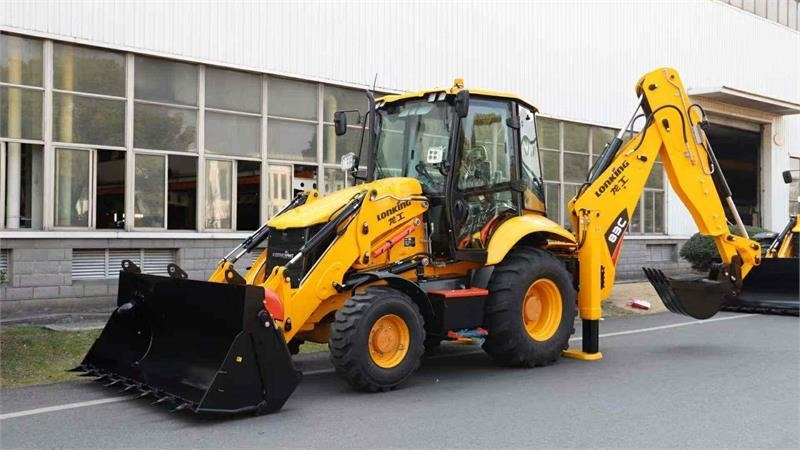


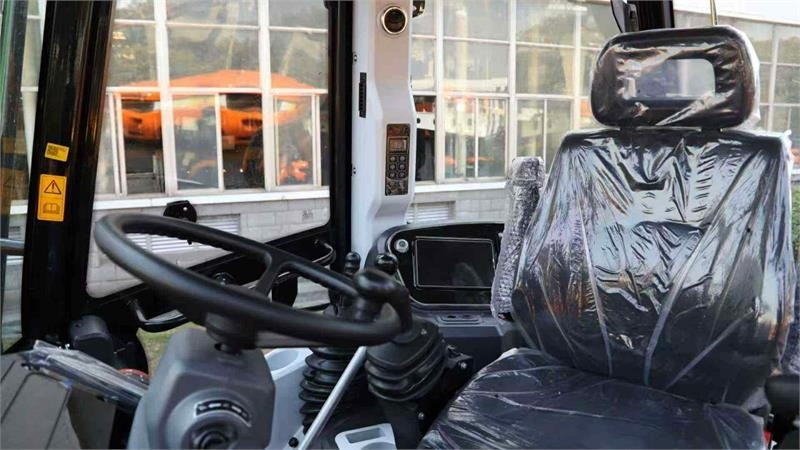
Lonking 83C Fabriks ny
70 923EUR
- ≈ 7 786 707 INR
- ≈ 82 189 USD


Hydrema 926F ESD Hydrema 926F ESD
140 508EUR
- ≈ 15 426 513 INR
- ≈ 162 827 USD
Backhoe loaders Market Snapshot
Top manufacturers
Main locations to buy
China (Offers: 333), Poland (Offers: 67), Netherlands (Offers: 59), India (Offers: 45), United Arab Emirates (Offers: 42)
Technical specifications
| Hours, h | 2–12 480 |
| Power output, hp | 73–797 |
| Weight, kg | 1 700–23 816 |
| Lifting capacity, kg | 1 490–11 000 |
| Working depth, mm | 100–6 550 |
| Turning radius, mm | 2 500–6 900 |
| Max speed, km/h | 4–52 |
| Price, EUR | 462–86 617 |
| Year | 1990–2026 |
Backhoe loaders represent the ultimate versatile construction machines, combining front-end loader capability with rear-mounted excavator functionality in a single compact unit that maximizes operational efficiency across diverse construction, utility, and agricultural applications. These multi-functional machines feature articulated chassis systems, comprehensive hydraulic controls, and quick-attach capabilities that enable operators to perform loading, excavation, material handling, and specialized tasks without requiring multiple pieces of equipment. Backhoe loader operations serve construction contractors, utility companies, municipalities, and agricultural enterprises where equipment versatility and operational efficiency are essential competitive advantages and productivity requirements. The backhoe loader market encompasses configurations ranging from compact units for residential construction to large machines capable of handling substantial excavation and loading tasks in demanding commercial applications. Modern backhoe loaders integrate advanced hydraulic systems, electronic controls, and comprehensive safety features that maximize operational productivity while ensuring operator comfort and equipment reliability throughout demanding multi-task operations. Organizations evaluating backhoe loader investments must consider operational requirements, task diversity, and economic efficiency factors that significantly impact equipment selection and job site productivity. Understanding the technical specifications, operational capabilities, and investment considerations is essential when selecting backhoe loaders that deliver optimal performance and return on investment throughout demanding construction and utility operations.
Backhoe Loader Design and Operational Characteristics
Front loader systems provide material handling capability through hydraulically operated buckets, lift arms, and control systems that enable efficient loading, material transport, and general construction tasks. Front loader configurations typically feature bucket capacities of 0.8-1.5 cubic meters with lift heights reaching 3-4 meters, providing adequate capability for typical construction and material handling applications. Advanced front loader systems incorporate quick-attach mechanisms, multiple bucket options, and precision hydraulic controls that optimize material handling while supporting diverse operational requirements and attachment compatibility throughout demanding construction operations.
Rear excavator systems combine digging capability with precision control through boom, arm, and bucket assemblies that provide excavation depths of 4-6 meters and reach capabilities extending 6-8 meters from the machine centerline. Excavator configurations typically feature 360-degree swing capability, multiple bucket options, and comprehensive hydraulic controls that enable precision excavation and material placement while maintaining operational efficiency. Advanced excavator systems incorporate quick-change attachments, integrated controls, and performance monitoring that maximize excavation capability while supporting specialized applications and operational versatility.
Articulated chassis design enables enhanced maneuverability through front and rear frame sections connected by steering articulation that provides tight turning radii and operational flexibility in confined spaces. Articulation systems typically feature steering angles up to 40 degrees with integrated hydraulic controls that optimize maneuverability while maintaining stability and operational safety. Advanced articulation systems incorporate electronic controls, stability monitoring, and automated functions that enhance operational capability while ensuring safety and precision throughout demanding construction operations and confined space applications.
Four-wheel drive systems provide enhanced traction and operational capability through front and rear axle drive, differential locks, and traction control systems that enable operation in challenging terrain and adverse conditions. 4WD systems typically feature selectable engagement, limited-slip differentials, and electronic management that optimize traction while maintaining operational efficiency and component longevity. Advanced drive systems incorporate terrain-responsive controls, automated traction management, and integrated monitoring that maximize operational capability while ensuring safety and control throughout diverse construction environments and operational conditions.
Stabilizer systems ensure operational stability during excavation operations through hydraulic outriggers that provide stable platforms for rear excavator operation while maintaining safety and precision. Stabilizer systems typically feature retractable outriggers, float positions, and integrated controls that optimize stability while minimizing setup time and maximizing operational efficiency. Advanced stabilizer systems incorporate automatic deployment, load monitoring, and safety interlocks that ensure proper stabilization while supporting efficient excavation operations and comprehensive safety management throughout demanding construction applications.
Size Classifications and Capacity Specifications
Compact backhoe loaders feature operating weights of 6-10 tonnes with engine power ranging from 75-120 horsepower, designed for residential construction, utility work, and applications where size constraints and operational versatility are primary considerations. These agile units typically feature simplified controls, enhanced maneuverability, and cost-effective operation that optimize accessibility while maintaining adequate capability for typical construction and utility applications. Compact backhoe loaders excel in urban construction, residential projects, and utility installations where space limitations and operational flexibility are critical success factors while maintaining reasonable acquisition and operating costs.
Standard backhoe loaders encompass operating weights of 8-12 tonnes with engine power of 100-150 horsepower, providing optimal balance between capability, versatility, and cost-effectiveness for general construction and commercial applications. These popular units typically feature comprehensive hydraulic systems, enhanced operator comfort, and extensive attachment compatibility that addresses diverse operational requirements while maintaining reasonable acquisition and operating costs. Standard backhoe loaders represent the most versatile segment, serving the majority of construction applications with adequate capability and cost-effectiveness for typical commercial operations and diverse construction requirements.
Large backhoe loaders feature operating weights exceeding 12 tonnes with engine power surpassing 150 horsepower, designed for demanding construction projects, major earthmoving operations, and applications requiring maximum capability and productivity. These powerful machines typically incorporate advanced hydraulic systems, sophisticated control technologies, and enhanced operator stations that enable operation under challenging conditions while maintaining exceptional productivity and operational precision. Large backhoe loaders command premium pricing but provide essential capabilities for major construction projects and demanding operational requirements throughout complex construction applications.
High-performance configurations include enhanced hydraulic systems, advanced control technologies, and specialized features designed for demanding applications and professional operators requiring maximum capability and operational efficiency. High-performance backhoe loaders typically feature increased hydraulic flow rates, advanced joystick controls, and comprehensive monitoring systems that optimize operational productivity while maintaining precision and reliability. These specialized units command premium pricing while providing enhanced capabilities and competitive advantages for demanding construction applications and professional operations.
Specialized variants include extending boom units for enhanced reach, side-shift models for improved positioning, and custom configurations designed for unique operational requirements and specialized applications. Specialized backhoe loaders address specific construction challenges through custom engineering, enhanced capabilities, and application-specific optimizations while maintaining fundamental multi-task functionality. These niche applications often command premium pricing while providing essential capabilities for specialized construction requirements that exceed conventional backhoe loader capabilities and operational standards throughout demanding construction environments.
Hydraulic Systems and Control Technology
Advanced hydraulic systems provide comprehensive power distribution through load-sensing pumps, priority valve systems, and integrated circuits that optimize performance across front loader and rear excavator functions while maintaining operational efficiency. Hydraulic systems typically operate at pressures of 240-350 bar with flow rates ranging from 120-200 liters per minute, providing adequate power for simultaneous front and rear operations. Advanced hydraulic systems incorporate electronic controls, performance monitoring, and efficiency optimization that maximize operational capability while reducing fuel consumption and maintenance requirements throughout demanding multi-task operations.
Independent hydraulic circuits enable simultaneous front and rear operation through dedicated pump systems, control valves, and circuit management that optimize operational productivity while maintaining precision control and system reliability. Independent systems typically feature separate circuits for loader and excavator functions with integrated controls that enable coordinated operation while maintaining system protection and operational safety. Advanced circuit designs incorporate flow sharing, priority management, and electronic controls that optimize multi-function capability while ensuring system reliability and operational efficiency.
Pilot hydraulic controls provide precise operational control through low-effort joysticks, proportional valves, and integrated feedback systems that enhance operator comfort while improving operational precision and productivity. Pilot control systems typically feature ergonomic joystick arrangements, proportional response characteristics, and integrated monitoring that optimize operator performance while reducing fatigue and improving operational consistency. Advanced pilot systems incorporate electronic controls, customizable response patterns, and automated functions that enhance operational capability while supporting operator preferences and operational requirements.
Quick-attach systems enable rapid attachment changeover through hydraulic couplings, standardized mounting interfaces, and integrated controls that maximize equipment versatility while minimizing changeover time and operational disruption. Quick-attach systems typically feature automatic coupling, hydraulic connections, and safety locks that ensure secure attachment while enabling efficient tool changes. Advanced quick-attach systems incorporate electronic recognition, automated connections, and integrated monitoring that streamline attachment management while maximizing equipment utilization and operational flexibility throughout diverse construction applications.
Hydraulic monitoring systems provide real-time performance assessment, maintenance scheduling, and operational optimization through integrated sensors, electronic controls, and display systems that optimize system reliability while minimizing maintenance costs and operational downtime. Monitoring systems typically include pressure monitoring, temperature sensing, and filter condition assessment that enable proactive maintenance and operational optimization. Advanced monitoring systems incorporate predictive maintenance, automated scheduling, and integration with fleet management platforms for comprehensive maintenance optimization and cost control throughout equipment service life.
Attachment Systems and Operational Versatility
Front attachment options include various bucket configurations, pallet forks, material handlers, and specialized tools that transform the front loader into a versatile material handling system for diverse construction and industrial applications. Front attachments typically feature quick-change capabilities, hydraulic controls, and integrated monitoring that optimize material handling while supporting diverse operational requirements. Advanced attachment systems incorporate electronic recognition, automated settings, and performance optimization that maximize attachment utility while ensuring operational safety and equipment protection throughout demanding construction operations.
Rear attachment compatibility encompasses excavation buckets, hydraulic breakers, augers, and specialized tools that expand excavator capability for diverse construction, utility, and specialized applications. Rear attachments typically feature standardized mounting, hydraulic power, and integrated controls that optimize attachment performance while maintaining excavator precision and capability. Advanced attachment systems incorporate quick-change mechanisms, electronic controls, and performance monitoring that streamline attachment operation while maximizing equipment versatility and operational productivity throughout diverse construction applications.
Hydraulic hammer integration provides concrete breaking and demolition capability through high-impact hammers, specialized mounting systems, and integrated controls that enable efficient demolition and construction operations. Hammer systems typically feature variable impact energy, automatic lubrication, and noise reduction that optimize breaking performance while maintaining operational safety and regulatory compliance. Advanced hammer systems incorporate electronic controls, performance monitoring, and integrated safety features that maximize breaking efficiency while ensuring operator protection and equipment reliability throughout demanding demolition applications.
Auger systems enable efficient drilling operations through rotary drives, various auger sizes, and integrated controls that provide precise hole drilling for construction, utility, and agricultural applications. Auger systems typically feature variable rotation speeds, depth controls, and torque management that optimize drilling performance while maintaining precision and operational safety. Advanced auger systems incorporate electronic controls, automated functions, and performance monitoring that enhance drilling capability while ensuring operational efficiency and equipment protection throughout diverse drilling applications.
Specialized attachment integration includes grading equipment, compaction tools, and custom attachments designed for unique operational requirements and specialized construction applications. Specialized attachments often require custom hydraulic circuits, enhanced controls, and application-specific optimizations that maximize attachment performance while maintaining backhoe loader functionality. Advanced integration systems incorporate electronic management, automated controls, and comprehensive monitoring that optimize specialized attachment operation while ensuring equipment reliability and operational safety throughout demanding construction applications.
Market Applications and Industry Segments
General construction applications represent the largest market segment for backhoe loaders, serving building contractors, site development operations, and infrastructure projects where multi-task capability and operational efficiency are essential competitive advantages and productivity requirements. Construction operations utilize backhoe loaders for excavation, loading, material handling, and utility installation tasks that benefit from equipment versatility while maintaining project schedules and cost objectives. These applications typically involve diverse operational requirements, varying site conditions, and productivity demands that require reliable equipment and skilled operators throughout complex construction project lifecycles and demanding operational environments.
Utility construction operations employ backhoe loaders for pipeline installation, underground utility work, and infrastructure maintenance where precision excavation and operational versatility are critical project success factors and regulatory requirements. Utility applications often require enhanced precision, specialized attachments, and integration with utility equipment and safety procedures while maintaining operational efficiency and regulatory compliance. These applications typically emphasize safety features, precision capability, and operational flexibility that addresses unique utility construction requirements and regulatory standards throughout demanding infrastructure projects and maintenance operations.
Municipal and government operations utilize backhoe loaders for road maintenance, facility maintenance, and public works projects where operational versatility and cost-effectiveness are important budget considerations and service requirements. Municipal applications often require durable equipment, operational simplicity, and integration with municipal operations while maintaining cost-effectiveness and service reliability throughout diverse public works activities. These operations typically emphasize equipment reliability, operational flexibility, and cost management while providing essential municipal services and infrastructure maintenance throughout community service obligations and budget constraints.
Agricultural applications employ backhoe loaders for farm operations, livestock management, and facility maintenance where seasonal versatility and cost-effectiveness are important economic considerations for agricultural enterprises. Agricultural backhoe loaders often feature specialized attachments, enhanced durability, and operational characteristics optimized for farming conditions while maintaining reasonable acquisition and operating costs for seasonal operations. These applications benefit from equipment versatility that enables year-round utilization across diverse agricultural tasks while supporting modern farming operations and facility management requirements throughout seasonal agricultural cycles.
Rental and leasing operations provide backhoe loaders for temporary projects, peak demand periods, and specialized applications where equipment ownership is not economically justified for temporary requirements. Rental applications require durable equipment, operational simplicity, and comprehensive service support that enables effective utilization by diverse operators and applications while maintaining equipment reliability and service quality. Rental market demands emphasize equipment versatility, operational reliability, and service support while providing access to advanced equipment for temporary requirements and project-specific needs throughout diverse construction and utility applications.
Economic Analysis and Investment Planning
Backhoe loader acquisition costs vary significantly based on size, features, and manufacturer specifications, with compact units starting around ₹25-50 lakhs, standard machines ranging ₹40-80 lakhs, and large units exceeding ₹70-120 lakhs depending on configuration and capabilities. JCB backhoe loader pricing typically commands market leadership positioning while Case, Manitou, and other manufacturers offer competitive alternatives with varying feature sets and pricing strategies. Investment analysis should consider total cost of ownership including operational costs, maintenance requirements, and productivity benefits when evaluating backhoe loader alternatives and financing options throughout equipment service life.
Operating cost analysis encompasses fuel consumption, maintenance expenses, operator training, and attachment costs that impact daily operational profitability and competitive positioning throughout demanding multi-task operations. Backhoe loader fuel consumption typically ranges from 12-20 liters per hour depending on machine size, operational intensity, and application requirements, with larger machines consuming more fuel but providing superior productivity and capability. Maintenance costs generally represent 8-12% of initial purchase price annually, including hydraulic system service, attachment maintenance, and comprehensive equipment service throughout demanding construction applications and operational environments.
Productivity benefits include enhanced operational efficiency, reduced equipment requirements, and improved project timelines through backhoe loader versatility and multi-task capability compared to multiple specialized machines or alternative construction methods. Backhoe loaders typically replace 2-3 specialized machines while enabling single operators to perform diverse construction tasks throughout project lifecycles and operational requirements. Productivity improvements often justify premium acquisition costs through reduced equipment fleets, improved operational efficiency, and enhanced competitive positioning in demanding construction markets and operational environments.
Attachment investment considerations include specialized buckets, hydraulic attachments, and versatility enhancement tools that significantly expand backhoe loader capability while requiring additional investment and operational expertise. Attachment costs typically range from ₹25,000-300,000 depending on complexity and specialization, with comprehensive attachment packages often representing 15-30% of base machine costs. Strategic attachment selection enables equipment optimization, market diversification, and competitive differentiation while requiring careful analysis of utilization patterns and return on investment throughout equipment service life and operational requirements.
Return on investment calculations typically demonstrate payback periods of 3-6 years for well-utilized backhoe loader operations, depending on application diversity, operational efficiency, and market conditions throughout diverse construction and utility applications. Investment recovery requires consistent utilization, effective maintenance, and operational optimization that maximizes equipment productivity while controlling operational costs and maintaining competitive positioning. Financial analysis should consider equipment longevity, technology advancement, and market trends when evaluating long-term investment potential and replacement strategies throughout changing construction industry conditions and operational requirements.
Technology Integration and Advanced Features
Electronic control systems integrate hydraulic management, operational assistance, and performance monitoring through computerized controls that enhance operational efficiency while reducing operator skill requirements and improving productivity. Control systems typically feature multiple operating modes, automated functions, and comprehensive monitoring that enable operators to optimize performance for specific applications and operational conditions. Advanced control systems incorporate machine learning, predictive optimization, and integrated diagnostics that continuously improve performance while supporting modern construction technology requirements and operational excellence throughout demanding multi-task applications.
Telematics and fleet management systems provide comprehensive equipment monitoring, utilization tracking, and maintenance scheduling through GPS tracking, performance monitoring, and communication systems that optimize fleet management and operational efficiency. Telematics systems typically include location tracking, hour monitoring, fuel consumption analysis, and maintenance alerting that enable proactive fleet management and cost optimization throughout equipment operations. Advanced systems incorporate predictive analytics, automated reporting, and integration with business management platforms for comprehensive operational optimization and decision support throughout backhoe loader fleets and business operations.
Operator assistance systems enhance productivity and reduce fatigue through automated functions, intelligent controls, and ergonomic features that optimize operator performance while maintaining operational safety and equipment protection. Assistance systems typically include automated dig sequences, intelligent hydraulic management, and ergonomic controls that reduce operator workload while improving operational consistency and productivity throughout demanding multi-task operations. Advanced assistance systems incorporate machine learning, adaptive controls, and integrated monitoring that continuously optimize performance while supporting operator development and operational excellence.
Safety enhancement systems include rollover protection, operator presence monitoring, backup cameras, and integrated safety management that protect operators and ground personnel throughout backhoe loader operations. Safety systems typically incorporate structural protection, monitoring systems, and warning devices that prevent accidents while maintaining operational productivity and regulatory compliance. Advanced safety systems include collision avoidance, automated safety responses, and integration with construction site safety management for comprehensive protection and regulatory compliance throughout multi-task operations and construction site safety requirements.
Performance monitoring systems track operational parameters, equipment condition, and productivity metrics through integrated sensors and data analysis that optimize equipment performance while enabling proactive maintenance and operational improvements. Monitoring systems typically include hydraulic performance tracking, fuel consumption analysis, and operational cycle monitoring that provide comprehensive performance insights and optimization opportunities. Advanced monitoring systems incorporate predictive analytics, automated optimization, and integration with fleet management platforms for comprehensive performance management and operational excellence throughout equipment service life and business operations.
What factors determine backhoe loader pricing in the current market?
Backhoe loader prices vary based on size classification, engine power, hydraulic capabilities, and manufacturer reputation. Compact units start around ₹25-50 lakhs, standard machines range ₹40-80 lakhs, while large units exceed ₹70-120 lakhs. JCB commands market leadership pricing, while Case, Manitou, and Hidromek offer competitive alternatives. Factors include engine horsepower, hydraulic flow rates, operator comfort features, attachment compatibility, and technology integration significantly impacting pricing structures.
How do I determine the right backhoe loader size for my construction operations?
Size selection should consider typical excavation depths, loading requirements, transport needs, and operational versatility requirements. Compact units (6-10 tonnes, 75-120 HP) suit residential and utility work, standard machines (8-12 tonnes, 100-150 HP) serve general construction, while large units (12+ tonnes, 150+ HP) handle demanding projects. Consider dig depth requirements, loading capacity needs, site accessibility, and multi-task operational requirements when selecting appropriate specifications.
What are the main advantages of backhoe loaders over separate excavators and loaders?
Backhoe loaders provide exceptional versatility through combined excavation and loading capability in a single machine, reducing equipment requirements, operational costs, and site congestion. Benefits include multi-task capability, reduced equipment transport costs, single operator efficiency, and operational flexibility. Backhoe loaders excel in smaller projects, utility work, and applications requiring diverse tasks while maintaining cost-effectiveness and operational simplicity compared to multiple specialized machines.
Are there specific operator certification requirements for backhoe loader operation?
Backhoe loader operation typically requires equipment-specific training covering machine operation, safety procedures, hydraulic system operation, and multi-task techniques. Many jurisdictions require formal certification for construction site operations. Training should address excavation techniques, loading procedures, stabilizer operation, and attachment use. Professional training programs significantly impact safety, productivity, and equipment longevity while ensuring competent operation of complex multi-task equipment throughout demanding construction operations.
What maintenance is critical for backhoe loader reliability and performance?
Critical maintenance includes hydraulic system service every 500-1,000 hours, engine maintenance per manufacturer schedules, stabilizer inspection, and attachment maintenance. Daily inspections should verify fluid levels, hydraulic operation, and safety systems. Regular maintenance of boom pins, hydraulic cylinders, and drive components ensures continued reliability. Preventive maintenance programs significantly impact equipment longevity, operational costs, and multi-task performance throughout demanding construction operations.
How do JCB backhoe loaders compare to Case and other manufacturers?
JCB offers market leadership through proven reliability, comprehensive dealer support, and innovative features like side-shift capability. Case provides competitive alternatives with strong hydraulic systems and operator comfort. Manitou offers European engineering and competitive pricing. Consider local dealer support, parts availability, specific feature requirements, and total cost of ownership when evaluating manufacturer alternatives for optimal business fit and operational requirements.
What attachment options are available for backhoe loader versatility?
Common attachments include various bucket sizes, hydraulic breakers, augers, pallet forks, material handlers, and specialized tools. Front attachments optimize loading operations while rear attachments expand excavation capability. Attachment costs range from ₹25,000-300,000 depending on complexity. Quick-attach systems enable rapid changeover for maximum versatility. Consider operational requirements, attachment utilization, and return on investment when building attachment inventories for optimal equipment utilization.
Can backhoe loaders operate efficiently in confined urban construction spaces?
Backhoe loaders excel in confined spaces through compact dimensions, articulated steering, and stabilizer systems that enable operation in restricted areas. Benefits include tight turning radius, precise control, and multi-task capability without requiring multiple machines. Consider machine size, site access requirements, and operational flexibility when evaluating urban applications. Proper operator training and safety procedures are essential for efficient confined space operations.
What are typical operating costs for backhoe loader operations?
Operating costs include fuel consumption (12-20 L/hr depending on size), maintenance (8-12% of purchase price annually), operator wages, and attachment costs. Additional expenses include insurance, training, and transportation. Consider total cost per operating hour including productivity benefits when evaluating operational economics. Efficient utilization, proper maintenance, and attachment optimization significantly impact operational profitability and competitive positioning throughout construction operations.
How long do backhoe loaders typically last in commercial construction service?
Well-maintained backhoe loaders achieve 12-18 years of commercial service or 8,000-15,000 operating hours depending on usage intensity and maintenance quality. Hydraulic systems may require major service every 6,000-10,000 hours, while engine overhauls typically occur at 10,000-15,000 hours. Proper maintenance, appropriate application matching, and quality operation significantly impact longevity and total cost of ownership throughout equipment service life and commercial operations.