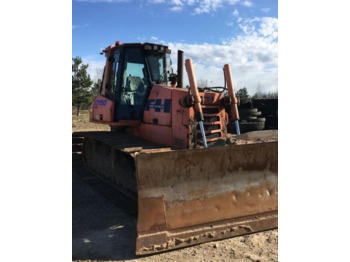
Bulldozers


Komatsu D 61 PX -24
106 000EUR
- ≈ 11 384 930 INR
- ≈ 125 624 USD


Komatsu D61PX - 24
88 600EUR
- ≈ 9 516 083 INR
- ≈ 105 003 USD


Komatsu D61PX - 24
88 600EUR
- ≈ 9 516 083 INR
- ≈ 105 003 USD


Komatsu D 61 PX -24
106 000EUR
- ≈ 11 384 930 INR
- ≈ 125 624 USD


Brand New Shantui SD32 Bulldozer


Used CAT Bulldozer D8 D8R


Used CAT Bulldozer D6 D6H D6G D6R D6T D6D


Used CAT Bulldozer D7 D7H D7G D7R


Optimize costs through informed decisions


New Shantui SD16 Bulldozer


Brand New Shantui SD22 Bulldozer


Used CAT Bulldozer D5 D5M D5G


CATERPILLAR D 5 M LGP


Komatsu D61PX-23
82 000EUR
- ≈ 8 807 210 INR
- ≈ 97 181 USD


Komatsu D65PX-15EO


Caterpillar D7F Ex-army


Caterpillar D9T
4 million buyers per month search for vehicles and machinery on Truck1.


Caterpillar D7G Ex-army


Caterpillar D7F Ex-army


Caterpillar D7F Ex-army


Caterpillar D7E LGP


Caterpillar D7F Ex-army


CAT 824H
74 900EUR
Price excl. VAT
- ≈ 8 044 634 INR
- ≈ 88 766 USD
Bulldozers represent the ultimate earthmoving power machines, featuring robust tracked undercarriages, powerful blade systems, and exceptional pushing force designed for large-scale earthmoving, site preparation, and heavy construction operations. These formidable machines combine massive engine power with sophisticated hydraulic systems, advanced blade configurations, and comprehensive operator protection that enable efficient material movement across the most demanding construction, mining, and land development applications. Bulldozer operations serve major contractors, mining companies, land developers, and infrastructure projects where maximum pushing power and operational reliability are fundamental competitive advantages and project success factors. The bulldozer market encompasses configurations ranging from compact units for smaller earthmoving tasks to massive mining dozers capable of moving hundreds of cubic meters per hour in the most challenging conditions. Modern bulldozers integrate advanced drivetrain technologies, electronic control systems, and comprehensive monitoring capabilities that maximize productivity while ensuring operator safety throughout demanding earthmoving operations. Organizations evaluating bulldozer investments must consider pushing requirements, operational environments, and economic efficiency factors that significantly impact equipment selection and earthmoving productivity. Understanding the technical specifications, operational capabilities, and investment considerations is essential when selecting bulldozers that deliver optimal performance and return on investment throughout demanding construction and mining operations.
Bulldozer Size Classifications and Power Specifications
Compact bulldozers feature operating weights of 5-15 tonnes with engine power ranging from 80-200 horsepower, designed for smaller earthmoving projects, residential development, and applications where maneuverability and operational versatility are primary considerations. These agile units typically feature simplified controls, enhanced maneuverability, and cost-effective operation that optimize accessibility while maintaining adequate pushing capability for typical construction and landscaping applications. Compact bulldozers excel in confined spaces, utility construction, and site preparation where larger machines cannot operate effectively while providing essential earthmoving capability for diverse construction requirements.
Medium bulldozers encompass operating weights of 15-35 tonnes with engine power of 200-400 horsepower, providing optimal balance between pushing capability, operational versatility, and cost-effectiveness for general construction and earthmoving applications. These versatile machines typically feature comprehensive blade options, advanced hydraulic systems, and enhanced operator comfort that address diverse operational requirements while maintaining reasonable acquisition and operating costs. Medium bulldozers represent the most popular segment, serving the majority of construction and earthmoving applications with adequate capability and cost-effectiveness for typical commercial operations.
Large bulldozers feature operating weights of 35-60 tonnes with engine power exceeding 400-600 horsepower, designed for demanding construction projects, major earthmoving operations, and applications requiring substantial pushing force and material handling capability. These powerful machines typically incorporate advanced drivetrains, sophisticated hydraulic systems, and enhanced operator stations that enable operation under challenging conditions while maintaining exceptional productivity and operational precision. Large bulldozers command premium pricing but provide essential capabilities for major construction projects and demanding earthmoving requirements.
Mining bulldozers represent the ultimate in earthmoving power with operating weights exceeding 60 tonnes and engine power surpassing 600 horsepower, serving massive mining operations, major infrastructure projects, and specialized applications where maximum capability and productivity are essential operational requirements. These extraordinary machines typically feature specialized configurations, enhanced durability, and advanced technology integration that enables operation in the most demanding conditions while maintaining exceptional productivity and operational reliability. Mining bulldozers represent premium investments but provide unmatched capability for large-scale earthmoving and mining applications.
Specialized bulldozer configurations include swamp dozers for wetland work, angle dozers for specific applications, and custom units designed for unique operational requirements and challenging environmental conditions. Specialized bulldozers address specific operational challenges through custom engineering, enhanced capabilities, and application-specific optimizations while maintaining fundamental bulldozer functionality. These niche applications often command premium pricing while providing essential capabilities for specialized earthmoving requirements that exceed conventional bulldozer capabilities and operational standards throughout demanding construction and mining environments.
Blade Systems and Earthmoving Technology
Straight blades provide maximum pushing power and material capacity through wide, flat blade configurations optimized for large-scale earthmoving and material transport applications. Straight blades typically feature widths ranging from 3-5 meters with hydraulic lift, tilt, and angle controls that optimize material handling while maintaining blade positioning precision. Advanced straight blade systems incorporate wear-resistant materials, integrated cutting edges, and hydraulic controls that maximize pushing efficiency while extending component life and reducing maintenance requirements throughout demanding earthmoving operations.
Universal blades combine pushing capability with material containment through curved blade designs and side wings that optimize material retention while maintaining pushing efficiency for diverse earthmoving applications. Universal blades typically feature curved profiles, adjustable wings, and comprehensive hydraulic controls that balance material capacity with pushing performance while providing operational versatility. Advanced universal blade systems incorporate optimized geometries, enhanced materials, and integrated controls that maximize earthmoving efficiency while supporting diverse operational requirements and material handling applications.
Angle blades provide operational versatility through hydraulic angling capabilities that enable material side-casting, windrowing, and specialized earthmoving techniques for diverse construction and maintenance applications. Angle blades typically feature angling ranges of 25-30 degrees left or right with hydraulic controls that enable precise positioning and operational flexibility throughout earthmoving operations. Advanced angle blade systems incorporate automated controls, position sensing, and integrated monitoring that optimize angling operations while maintaining precision and operational efficiency throughout demanding construction applications.
Power-angle-tilt (PAT) blades provide maximum operational flexibility through hydraulic angling, tilting, and lifting capabilities that enable precise material manipulation and complex earthmoving operations. PAT blade systems typically feature comprehensive hydraulic controls, position feedback, and automated functions that optimize blade positioning while maintaining operational precision and efficiency. Advanced PAT systems incorporate electronic controls, preset positions, and integrated monitoring that enhance operational capability while reducing operator training requirements and improving earthmoving precision throughout demanding construction applications.
Blade monitoring and control systems provide real-time blade position information, automatic grade control, and operational optimization through integrated sensors and electronic controls that enhance earthmoving precision while reducing operator workload. Monitoring systems typically include position sensing, load monitoring, and performance feedback that enable optimal blade operation while maintaining operational safety and efficiency. Advanced monitoring systems incorporate GPS integration, automated grade control, and predictive optimization that continuously improve earthmoving performance while supporting modern construction technology requirements and operational excellence.
Drivetrain Systems and Traction Technology
Hydrostatic drive systems provide infinite speed control and exceptional maneuverability through hydraulic motors, variable displacement pumps, and electronic controls that optimize traction and operational efficiency. Hydrostatic systems typically feature stepless speed control, automatic load sensing, and directional controls that enable precise machine control while maintaining maximum productivity and operational ease. Advanced hydrostatic systems incorporate electronic management, performance optimization, and integrated monitoring that enhance operational capability while reducing fuel consumption and maintenance requirements throughout demanding earthmoving applications.
Powershift transmission systems provide reliable power delivery through multiple forward and reverse gears, torque converters, and electronic controls designed for demanding earthmoving applications and continuous operation. Powershift systems typically feature automatic shifting, load-responsive controls, and integrated braking that optimize power delivery while maintaining operational efficiency and component longevity. Advanced powershift systems incorporate electronic controls, adaptive shifting, and integrated monitoring that maximize performance while ensuring reliability and operational effectiveness throughout demanding construction and mining applications.
Track systems provide exceptional traction and flotation through rubber or steel track configurations, drive sprockets, and suspension components designed for diverse terrain conditions and operational requirements. Track systems typically feature adjustable track tension, automatic lubrication, and wear monitoring that optimize performance while extending component life and reducing maintenance requirements. Advanced track systems incorporate enhanced materials, specialized configurations, and integrated monitoring that maximize traction and operational capability while maintaining efficiency and reliability throughout challenging earthmoving environments.
Differential steering systems enable precise machine control through independent track speeds, steering controls, and electronic management that optimize maneuverability while maintaining traction and operational efficiency. Steering systems typically feature proportional controls, automatic load compensation, and integrated monitoring that enable precise machine positioning while maintaining productivity and operational ease. Advanced steering systems incorporate electronic controls, automated functions, and performance optimization that enhance maneuverability while reducing operator fatigue and improving operational precision throughout demanding earthmoving applications.
Undercarriage systems provide machine stability and component longevity through specialized suspensions, roller configurations, and track management systems designed for demanding earthmoving applications and challenging terrain conditions. Undercarriage designs typically feature oscillating suspensions, sealed components, and integrated monitoring that optimize performance while extending component life and reducing maintenance costs. Advanced undercarriage systems incorporate enhanced materials, optimized geometries, and predictive maintenance that maximize component longevity while ensuring operational reliability and cost-effectiveness throughout demanding construction and mining operations.
Market Applications and Industry Segments
Construction earthmoving applications represent the largest market segment for bulldozers, serving general contractors, site development operations, and infrastructure projects where large-scale material movement and site preparation are essential project requirements. Construction operations utilize bulldozers for site clearing, rough grading, material stockpiling, and general earthmoving tasks that benefit from machine power and operational efficiency while maintaining project schedules and cost objectives. These applications typically involve diverse operational requirements, varying site conditions, and productivity demands that require reliable equipment and skilled operators throughout complex construction project lifecycles and demanding operational environments.
Mining applications employ large bulldozers for overburden removal, haul road maintenance, and material handling operations where maximum productivity and operational reliability are essential economic factors and competitive advantages. Mining bulldozers often require enhanced durability, specialized configurations, and operational characteristics optimized for continuous operation and challenging environmental conditions typical of mining environments. These demanding applications typically involve harsh operating conditions, extensive operational hours, and performance requirements that exceed conventional construction equipment capabilities and maintenance schedules throughout demanding mining operations and production requirements.
Land development operations utilize bulldozers for site preparation, infrastructure development, and large-scale earthmoving projects where operational efficiency and material handling capability are critical project success factors and economic considerations. Land development applications often require versatile equipment, cost-effective operations, and integration with development activities while maintaining adequate earthmoving capability and environmental compliance throughout diverse development projects. These applications typically emphasize operational versatility, environmental protection, and cost management while providing essential earthmoving capabilities throughout demanding land development requirements and regulatory compliance.
Infrastructure maintenance operations employ bulldozers for road maintenance, utility construction, and facility maintenance where operational reliability and versatile earthmoving capability are important operational requirements and service considerations. Maintenance applications often require durable equipment, operational flexibility, and integration with maintenance activities while maintaining cost-effectiveness and operational reliability throughout diverse maintenance and service requirements. These operations typically emphasize equipment reliability, operational simplicity, and cost-effectiveness while providing essential earthmoving support throughout demanding maintenance operations and service obligations.
Specialized applications include forestry operations, military engineering, and environmental restoration where unique bulldozer capabilities and operational expertise are essential competitive advantages and project success factors. Specialized applications often require enhanced capabilities, custom configurations, and operational expertise that address unique requirements while maintaining fundamental bulldozer performance and reliability standards. These niche applications typically command premium pricing while providing essential capabilities for specialized earthmoving requirements that exceed conventional bulldozer capabilities and operational standards throughout demanding specialized environments and unique operational challenges.
Economic Analysis and Investment Planning
Bulldozer acquisition costs vary significantly based on size, features, and manufacturer specifications, with compact units starting around ₹40-80 lakhs, medium bulldozers ranging ₹80-200 lakhs, large units costing ₹200-400 lakhs, and mining dozers exceeding ₹400-800 lakhs depending on configuration and capabilities. Caterpillar bulldozer pricing typically commands premium positioning while providing market-leading reliability, dealer support, and resale values that often justify higher acquisition costs through improved total cost of ownership. Investment analysis should consider total cost of ownership including operational costs, maintenance requirements, and productivity benefits when evaluating bulldozer alternatives and financing options throughout equipment service life.
Operating cost analysis encompasses fuel consumption, maintenance expenses, operator training, and operational support costs that impact daily operational profitability and competitive positioning throughout demanding earthmoving operations. Bulldozer fuel consumption typically ranges from 15-25 liters per hour for compact units to 40-80 liters per hour for large machines, depending on operational intensity and application requirements. Maintenance costs generally represent 10-15% of initial purchase price annually, including drivetrain service, undercarriage replacement, and comprehensive equipment maintenance throughout demanding construction and mining applications.
Productivity benefits include enhanced operational efficiency, reduced project timelines, and improved earthmoving capability through bulldozer power and versatility compared to alternative methods or multiple smaller machines. Modern bulldozers typically provide 2-5 times the productivity of smaller earthmoving equipment while enabling single operators to accomplish substantial earthmoving tasks throughout project lifecycles. Productivity improvements often justify premium acquisition costs through reduced project time, enhanced capability, and competitive positioning in demanding earthmoving markets and operational environments.
Equipment utilization optimization requires strategic deployment, effective project scheduling, and operational efficiency that maximizes bulldozer productivity while minimizing idle time and transportation costs. Successful bulldozer operations typically achieve utilization rates of 70-85% depending on market conditions and operational efficiency, with higher utilization enabling improved profitability and investment recovery throughout equipment service life. Utilization management includes project coordination, equipment positioning, and operational planning that optimize revenue generation while maintaining equipment reliability and operational effectiveness.
Return on investment calculations typically demonstrate payback periods of 4-8 years for well-utilized bulldozer operations, depending on application intensity, operational efficiency, and market conditions throughout diverse earthmoving and construction applications. Investment recovery requires consistent utilization, effective maintenance, and competitive positioning that maintains profitability while building sustainable business growth and competitive advantages. Financial analysis should consider equipment longevity, technology advancement, and market trends when evaluating long-term investment potential and replacement strategies throughout changing construction industry conditions and operational requirements.
Technology Integration and Advanced Features
GPS and machine control systems provide automated grade control, precision earthmoving, and productivity enhancement through satellite guidance, electronic controls, and hydraulic integration that optimize earthmoving accuracy while reducing operational time and improving project quality. GPS systems typically feature real-time positioning, automated blade control, and integrated display systems that enable operators to achieve precise grades and earthmoving specifications with enhanced efficiency and reduced skill requirements. Advanced GPS systems incorporate machine guidance, productivity monitoring, and integration with project management systems for comprehensive construction automation and quality control throughout demanding earthmoving operations.
Automated blade control systems optimize earthmoving performance through electronic sensors, hydraulic controls, and integrated management that maintain precise blade positioning while reducing operator workload and improving operational consistency. Automated systems typically feature slope control, automatic leveling, and load management that enhance earthmoving precision while maintaining productivity and operational efficiency. Advanced automated systems incorporate machine learning, adaptive controls, and predictive optimization that continuously improve performance while supporting modern construction technology integration and operational excellence throughout demanding earthmoving applications.
Telematics and fleet management systems provide comprehensive equipment monitoring, utilization tracking, and maintenance scheduling through GPS tracking, performance monitoring, and communication systems that optimize fleet management and operational efficiency. Telematics systems typically include location tracking, hour monitoring, fuel consumption analysis, and maintenance alerting that enable proactive fleet management and cost optimization throughout equipment operations. Advanced systems incorporate predictive analytics, automated reporting, and integration with business management platforms for comprehensive operational optimization and decision support throughout bulldozer fleets and business operations.
Operator assistance systems enhance productivity and reduce fatigue through automated functions, intelligent controls, and ergonomic features that optimize operator performance while maintaining operational safety and equipment protection. Assistance systems typically include automatic blade return, intelligent power management, and ergonomic controls that reduce operator workload while improving operational consistency and productivity throughout demanding earthmoving operations. Advanced assistance systems incorporate machine learning, adaptive controls, and integrated monitoring that continuously optimize performance while supporting operator development and operational excellence.
Safety enhancement systems include rollover protection, operator presence monitoring, backup cameras, and integrated safety management that protect operators and ground personnel throughout bulldozer operations. Safety systems typically incorporate structural protection, monitoring systems, and warning devices that prevent accidents while maintaining operational productivity and regulatory compliance. Advanced safety systems include collision avoidance, automated safety responses, and integration with construction site safety management for comprehensive protection and regulatory compliance throughout earthmoving operations and construction site safety requirements.
What factors determine bulldozer pricing in the current market?
Bulldozer prices vary based on size classification, engine power, blade configuration, and manufacturer reputation. Compact units start around ₹40-80 lakhs, medium bulldozers range ₹80-200 lakhs, large units cost ₹200-400 lakhs, while mining dozers exceed ₹400-800 lakhs. Caterpillar bulldozer pricing commands premium positioning. Factors include engine horsepower, drivetrain technology, blade systems, operator comfort features, and technology integration significantly impacting pricing structures.
How do I determine the right bulldozer size for my earthmoving operations?
Size selection should consider typical material volumes, pushing distances, site conditions, and operational requirements. Compact bulldozers (5-15 tonnes, 80-200 HP) suit smaller projects and confined spaces, medium units (15-35 tonnes, 200-400 HP) serve general construction, large dozers (35-60 tonnes, 400-600 HP) handle major earthmoving, while mining units (60+ tonnes, 600+ HP) optimize massive operations. Consider material types, pushing requirements, and productivity targets when selecting specifications.
What are the main advantages of bulldozers over other earthmoving equipment?
Bulldozers provide superior pushing power, material moving capability, and operational versatility through powerful engines, robust construction, and specialized blade systems. Benefits include maximum traction, exceptional pushing force, ability to work in challenging terrain, and versatile blade configurations. Bulldozers excel in large-scale earthmoving, site preparation, and material handling while maintaining superior productivity and operational reliability compared to alternative earthmoving equipment.
Are there specific operator certification requirements for bulldozer operation?
Bulldozer operation typically requires equipment-specific training covering machine operation, safety procedures, earthmoving techniques, and maintenance basics. Many jurisdictions require formal certification for construction site operations. Training should address operational techniques, blade control, safety protocols, and productivity optimization. Professional training programs significantly impact safety, productivity, and equipment longevity while ensuring competent operation of powerful earthmoving equipment throughout demanding construction operations.
What maintenance is critical for bulldozer reliability and performance?
Critical maintenance includes daily operational checks, engine service every 250-500 hours, drivetrain maintenance, and undercarriage inspection and replacement. Track maintenance is particularly important, with track replacement typically required every 2,000-4,000 hours depending on conditions. Regular maintenance of hydraulic systems, blade components, and structural elements ensures continued reliability. Preventive maintenance programs significantly impact equipment longevity and operational costs throughout demanding earthmoving operations.
How do operating costs compare between different bulldozer sizes?
Operating costs increase with bulldozer size but provide superior productivity and capability. Compact units consume 15-20 L/hr with lower maintenance costs, medium dozers use 25-40 L/hr, while large units exceed 40-80 L/hr. Consider total cost per unit of material moved including fuel, maintenance, operator wages, and productivity when evaluating size alternatives for specific applications and operational requirements.
What are the advantages of Cat (Caterpillar) bulldozers over competitors?
Caterpillar bulldozers offer market-leading reliability, comprehensive dealer support, proven technology, and strong resale values. Benefits include global parts availability, technical support, integrated technology systems, and extensive service networks. Cat units typically command premium pricing but provide superior total cost of ownership through reliability, support, and operational efficiency. Consider local dealer support, parts availability, and long-term operational requirements when evaluating manufacturer alternatives.
Can bulldozers be equipped with GPS and automated grade control systems?
Modern bulldozers increasingly feature GPS grade control, automated blade positioning, and machine guidance systems that provide exceptional earthmoving precision while reducing operational time by 20-40%. Technology benefits include improved accuracy, reduced rework, enhanced productivity, and lower skilled operator requirements. GPS investment typically pays back within 2-4 years through improved efficiency and competitive positioning while supporting modern construction technology integration and quality requirements.
What blade configurations are available for different bulldozer applications?
Bulldozer blade options include straight blades for maximum pushing power, universal blades for material retention, angle blades for versatility, and power-angle-tilt (PAT) blades for maximum flexibility. Blade selection should consider material types, operational requirements, and application needs. Advanced blade systems feature hydraulic controls, wear-resistant materials, and integrated monitoring that optimize earthmoving performance while extending component life throughout diverse operational requirements.
How long do bulldozers typically last in commercial construction service?
Well-maintained bulldozers achieve 15-25 years of commercial service or 15,000-25,000 operating hours depending on application intensity and maintenance quality. Undercarriage components typically require replacement every 2,000-4,000 hours, while major engine overhauls may occur at 12,000-18,000 hours. Mining applications may achieve higher hours but shorter calendar life. Proper maintenance, appropriate application matching, and quality operation significantly impact longevity and total cost of ownership throughout equipment service life.