
Concrete equipment


DC Betonmischer / Electric concrete mixer / Malaxeur à béton électrique / Betoniarka elektryczna 1000 l
3 586EUR
Price excl. VAT
- ≈ 395 829 INR
- ≈ 4 112 USD


MAN 32.430
43 000EUR
Price excl. VAT
- ≈ 4 746 426 INR
- ≈ 49 308 USD


Mercedes-Benz Actros 3241 8X4 PUMI Schwing Stetter FBP 21-100 Pump + AM 7 FHC-L Mixer Euro 5
81 750EUR
Price excl. VAT
- ≈ 9 023 728 INR
- ≈ 93 742 USD


Concrete Polisher SDLOOL 80R Petrol 2025
700EUR
Price excl. VAT
- ≈ 77 267 INR
- ≈ 802 USD


Self-Loading Concrete Mixer JPC HTD - 500 Petrol 2026
1 500EUR
Price excl. VAT
- ≈ 165 573 INR
- ≈ 1 720 USD


Concrete mixer De Buf ST3 Diesel 2014
1 500EUR
Price excl. VAT
- ≈ 165 573 INR
- ≈ 1 720 USD


Germany-based • EU delivery • Verified seller


Self-Loading Concrete Mixer HJ Power XY-1.8 Diesel 2026
5 000EUR
Price excl. VAT
- ≈ 551 910 INR
- ≈ 5 733 USD


STOCKMANN ESK Betonmischer / alle Größen / TOP ANGEBOT


Mieszalnik do betonu PEMAT ZK 375 HEA
12 725EUR
- ≈ 1 404 610 INR
- ≈ 14 591 USD
![MINIGROUT/ITALSWISS [ Copy ] [ Copy ] - Concrete pump truck: picture 1](https://www.truck1.co.in/img/xxl/35636/MINIGROUT-ITALSWISS-Copy-Copy-Poland_35636_7920459735.jpg "MINIGROUT/ITALSWISS [ Copy ] [ Copy ] - Concrete pump truck: picture 1")
![MINIGROUT/ITALSWISS [ Copy ] [ Copy ] - Concrete pump truck: picture 2](https://www.truck1.co.in/img/xxl/35636/MINIGROUT-ITALSWISS-Copy-Copy-Poland_35636_4280125593.jpg "MINIGROUT/ITALSWISS [ Copy ] [ Copy ] - Concrete pump truck: picture 2")
![MINIGROUT/ITALSWISS [ Copy ] [ Copy ] - Concrete pump truck: picture 3](https://www.truck1.co.in/img/xxl/35636/MINIGROUT-ITALSWISS-Copy-Copy-Poland_35636_5546573414.jpg "MINIGROUT/ITALSWISS [ Copy ] [ Copy ] - Concrete pump truck: picture 3")
![MINIGROUT/ITALSWISS [ Copy ] [ Copy ] - Concrete pump truck: picture 4](https://www.truck1.co.in/img/xxl/35636/MINIGROUT-ITALSWISS-Copy-Copy-Poland_35636_2237035086.jpg "MINIGROUT/ITALSWISS [ Copy ] [ Copy ] - Concrete pump truck: picture 4")
![MINIGROUT/ITALSWISS [ Copy ] [ Copy ] - Concrete pump truck: picture 5](https://www.truck1.co.in/img/xxl/35636/MINIGROUT-ITALSWISS-Copy-Copy-Poland_35636_6897270401.jpg "MINIGROUT/ITALSWISS [ Copy ] [ Copy ] - Concrete pump truck: picture 5")
MINIGROUT/ITALSWISS [ Copy ] [ Copy ]
39 900EUR
Price excl. VAT
- ≈ 4 404 241 INR
- ≈ 45 753 USD


25+ Countries • 60-Point Inspection • 80+ Photos • No Commissions

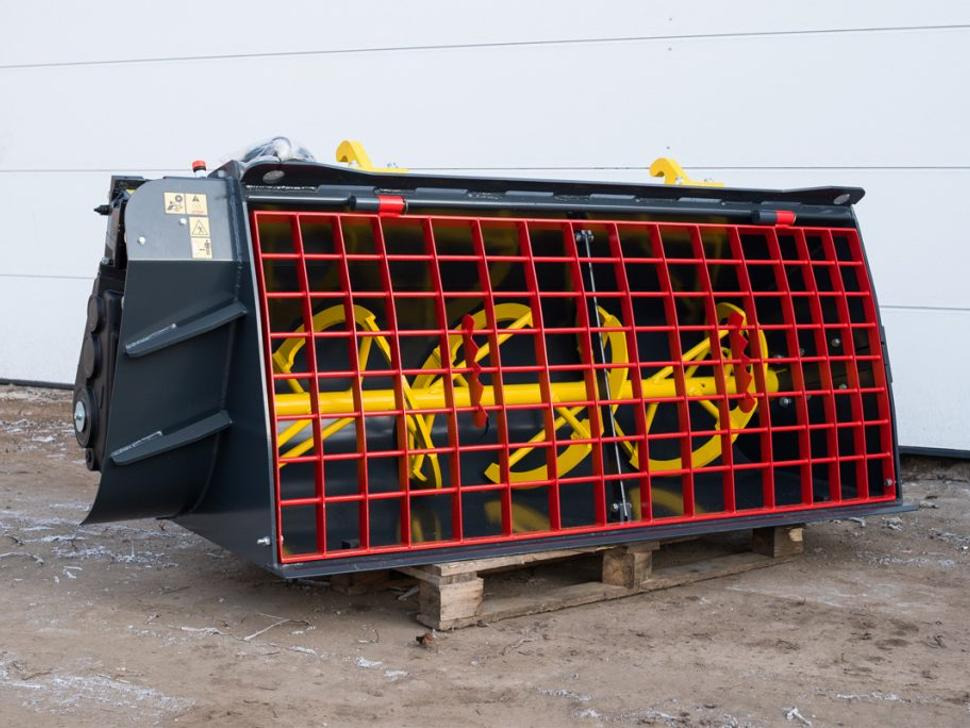

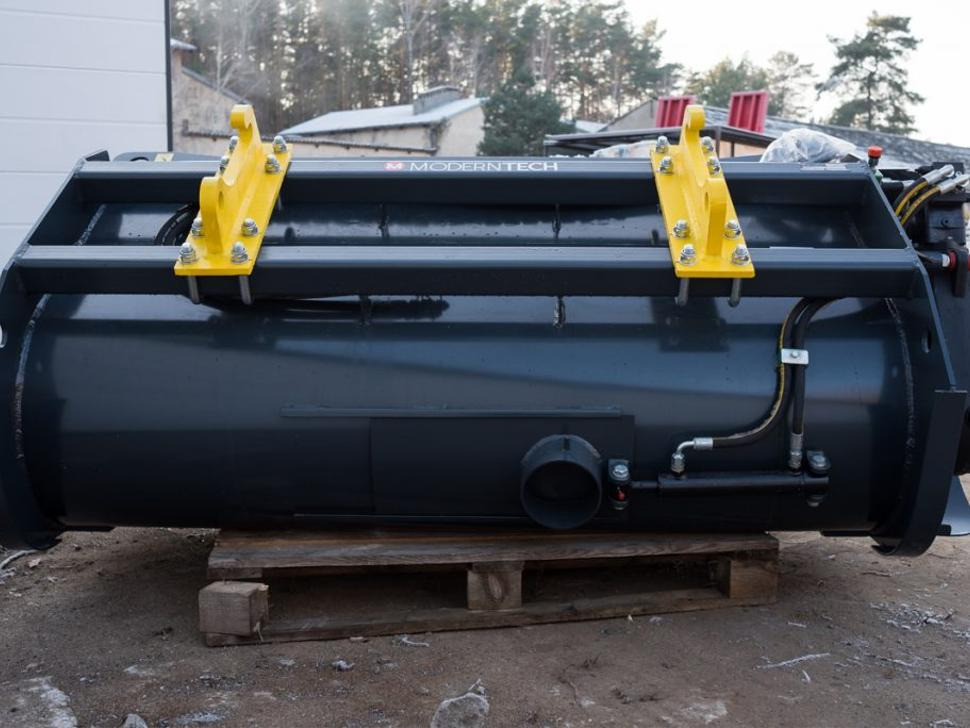


Moderntech Betonmischer / Concrete mixer / Bétonnière / Betoniera / Бетономешалка / Mieszalnik do betonu 1,60 m
4 944EUR
Price excl. VAT
- ≈ 545 728 INR
- ≈ 5 669 USD


STU 12,7m3 Concrete Mixer Trailer


Müller-Mitteltal SF32BM/BT Liebherr HTM1004 10m³ BPW Lift Axle
9 890EUR
Price excl. VAT
- ≈ 1 091 677 INR
- ≈ 11 340 USD

MERCEDES-BENZ Arocs 3540B
46 000EUR
Price excl. VAT
- ≈ 5 077 572 INR
- ≈ 52 748 USD


Unused 2026 HJ Power XY-1.8

4 million buyers per month search for vehicles and machinery on Truck1.



Unused 2026 HJ Power XY-1.8


Unused 2026 HJ Power XY-1.8


ABC Turbosol TB50


De Buf BM 12-36-2SPR Theam TSR15 Beton Mixer
14 900EUR
Price excl. VAT
- ≈ 1 644 691 INR
- ≈ 17 085 USD


DAF CF 75.360


MAN 26.272 6x4 mixer - 7M3 - full spring
10 900EUR
- ≈ 1 203 163 INR
- ≈ 12 499 USD
Concrete equipment Market Snapshot
Top manufacturers
Main locations to buy
China (Offers: 269), Germany (Offers: 257), Turkey (Offers: 225), Netherlands (Offers: 180), France (Offers: 108)
Technical specifications
| Hours, h | 2–51 254 |
| Power output, hp | 99–549 |
| Weight, kg | 16–63 563 |
| Lifting capacity, kg | 160–25 000 |
| Working depth, mm | 4 300–40 300 |
| Turning radius, mm | 2 800–52 900 |
| Max speed, km/h | 25–97 |
| Price, EUR | 1 061–320 300 |
| Year | 1994–2026 |
Concrete equipment represents a comprehensive category of specialized construction machinery designed for concrete production, transportation, placement, and finishing operations throughout diverse building and infrastructure projects. These essential machines encompass concrete mixers, pumps, batching plants, and finishing equipment that enable efficient concrete operations from initial mixing through final surface preparation. Concrete equipment operations serve construction contractors, ready-mix producers, infrastructure developers, and specialized concrete services where quality, efficiency, and operational reliability are fundamental project requirements and competitive advantages. The concrete equipment market encompasses configurations ranging from portable mixers for small projects to large batching plants capable of producing hundreds of cubic meters per hour for major construction operations. Modern concrete equipment integrates advanced control systems, automated processes, and quality management technologies that maximize production efficiency while ensuring consistent concrete quality throughout demanding commercial applications. Organizations evaluating concrete equipment investments must consider production requirements, operational environments, and economic efficiency factors that significantly impact equipment selection and project productivity. Understanding the technical specifications, operational capabilities, and market dynamics is essential when selecting concrete equipment that delivers optimal performance and return on investment throughout demanding construction operations.
Concrete Equipment Categories and Production Systems
Concrete mixers represent the fundamental equipment for concrete production, ranging from portable drum mixers with capacities of 0.1-2 cubic meters to large stationary mixers exceeding 6 cubic meters for high-volume applications. Portable mixers provide operational flexibility and cost-effectiveness for smaller projects, while larger stationary units optimize production efficiency and consistency for major construction operations. Modern mixers incorporate advanced mixing technologies, automated controls, and quality monitoring systems that ensure consistent concrete properties while maximizing production efficiency and operational reliability throughout diverse construction applications.
Concrete batching plants integrate material storage, weighing systems, and mixing equipment to produce large volumes of consistent concrete for major construction projects and ready-mix operations. Batching plants typically feature production capacities ranging from 30-240 cubic meters per hour with automated controls, quality management systems, and comprehensive material handling capabilities. Advanced batching plants incorporate computerized controls, recipe management, and quality assurance systems that ensure consistent concrete properties while optimizing production efficiency and material utilization throughout demanding commercial operations.
Concrete pumping equipment enables efficient concrete placement through truck-mounted pumps, stationary pumps, and specialized pumping systems that deliver concrete to challenging locations and heights. Concrete pumps typically feature delivery capacities of 20-200 cubic meters per hour with boom reach capabilities extending to 70+ meters for high-rise and challenging access applications. Modern pumping equipment incorporates automated controls, blockage detection, and safety systems that optimize placement efficiency while ensuring operational safety and concrete quality throughout complex construction operations.
Transit mixers combine concrete transportation with mixing capabilities through truck-mounted rotating drums that maintain concrete consistency during transport and enable controlled discharge at job sites. Transit mixers typically feature capacities of 6-12 cubic meters with hydraulic drive systems and discharge controls that optimize concrete placement efficiency. Advanced transit mixers incorporate automated controls, GPS tracking, and quality monitoring that ensure concrete consistency while supporting efficient logistics and customer service throughout ready-mix operations.
Concrete finishing equipment includes screeds, floats, trowels, and specialized finishing machines that achieve desired surface quality and specifications for various concrete applications. Finishing equipment ranges from hand tools for small areas to ride-on machines capable of finishing large floor areas with exceptional efficiency and quality. Modern finishing equipment incorporates laser guidance, automated controls, and surface quality monitoring that optimize finishing operations while ensuring consistent results and reduced labor requirements throughout demanding construction applications.
Concrete Production Technology and Quality Control
Automated batching systems provide precise material proportioning through computerized weighing, ingredient management, and recipe control that ensure consistent concrete properties while optimizing material utilization and production efficiency. Batching systems typically feature accuracy levels within ±1-2% for aggregates and ±0.5% for cement and water, enabling consistent concrete quality and specification compliance. Advanced batching systems incorporate real-time monitoring, automatic corrections, and comprehensive data logging that support quality assurance and continuous improvement throughout concrete production operations.
Quality control systems monitor concrete properties throughout production and placement through testing equipment, sampling systems, and real-time monitoring that ensure specification compliance and optimal performance characteristics. Quality systems typically include slump monitoring, temperature control, and strength testing capabilities that verify concrete properties and enable corrective actions when necessary. Advanced quality systems incorporate automated testing, statistical analysis, and predictive modeling that optimize concrete performance while ensuring consistent quality and regulatory compliance throughout construction operations.
Admixture systems enable precise chemical addition through automated dosing, mixing controls, and integration systems that optimize concrete properties for specific applications and performance requirements. Admixture systems typically feature multiple chemical storage, accurate dosing, and mixing integration that enhance concrete workability, strength, and durability characteristics. Advanced admixture systems incorporate automated controls, recipe management, and performance optimization that enable customized concrete solutions while maintaining consistency and quality standards throughout diverse construction applications.
Environmental control systems manage concrete temperature, curing conditions, and environmental factors that affect concrete quality and performance throughout production and placement operations. Environmental systems typically include temperature monitoring, humidity control, and curing management that optimize concrete development and performance characteristics. Advanced environmental systems incorporate automated controls, predictive management, and integrated monitoring that ensure optimal concrete performance while supporting sustainable construction practices and quality assurance throughout project lifecycles.
Data management systems collect, analyze, and report concrete production data through integrated monitoring, quality tracking, and performance analysis that support operational optimization and regulatory compliance. Data systems typically include production monitoring, quality documentation, and performance analysis that enable continuous improvement and operational excellence. Advanced data systems incorporate cloud-based platforms, real-time analytics, and integration with project management systems for comprehensive operational oversight and decision support throughout concrete operations.
Concrete Transportation and Logistics
Ready-mix concrete delivery systems optimize concrete transportation through specialized vehicles, routing optimization, and scheduling coordination that ensure timely delivery while maintaining concrete quality and customer satisfaction. Delivery systems typically include GPS tracking, communication systems, and quality monitoring that enable efficient logistics and responsive customer service. Advanced delivery systems incorporate automated scheduling, route optimization, and real-time tracking that maximize delivery efficiency while ensuring concrete quality and customer satisfaction throughout commercial operations.
Concrete truck specifications encompass chassis requirements, mixer drum capacities, and discharge systems designed for efficient concrete transportation and placement operations. Concrete trucks typically feature specialized chassis, hydraulic drive systems, and discharge controls optimized for concrete handling and customer service. Standard concrete truck capacities range from 6-12 cubic meters with specialized configurations available for specific applications and operational requirements, with pricing typically ranging from ₹25-45 lakhs depending on capacity and specifications.
Volumetric concrete production enables on-site concrete mixing through mobile batching equipment that produces fresh concrete at job sites while eliminating transportation time and maintaining optimal concrete properties. Volumetric systems typically feature material storage, automated batching, and mixing capabilities that produce concrete on-demand with consistent quality and specification compliance. Advanced volumetric systems incorporate recipe management, quality controls, and production monitoring that optimize concrete quality while providing operational flexibility and customer service advantages.
Concrete pumping logistics coordinate equipment deployment, operational planning, and safety management for efficient concrete placement in challenging locations and complex construction environments. Pumping logistics typically include equipment selection, site planning, and safety coordination that ensure efficient concrete placement while maintaining operational safety and quality standards. Advanced pumping systems incorporate automated controls, remote monitoring, and safety management that optimize placement efficiency while ensuring comprehensive safety and quality assurance throughout complex construction operations.
Waste management systems address concrete waste, washout management, and environmental compliance through recycling systems, waste processing, and sustainable practices that minimize environmental impact while supporting regulatory compliance. Waste systems typically include material recovery, water recycling, and environmental protection that reduce waste generation while supporting sustainable construction practices. Advanced waste management incorporates automated processing, material recovery optimization, and comprehensive environmental monitoring that maximize resource utilization while ensuring environmental compliance and sustainability throughout concrete operations.
Market Applications and Industry Segments
Residential construction applications utilize concrete equipment for foundation work, driveways, sidewalks, and structural elements where quality, efficiency, and cost-effectiveness are essential project requirements and competitive factors. Residential operations typically require versatile equipment, reasonable costs, and operational flexibility that accommodate varying project sizes and customer requirements. These applications benefit from equipment that provides adequate capacity and quality while maintaining competitive costs and operational simplicity throughout diverse residential construction projects and customer service requirements.
Commercial construction projects employ concrete equipment for building foundations, structural elements, parking structures, and specialized applications where capacity, quality, and operational efficiency are critical project success factors. Commercial applications often require enhanced capacity, precision capabilities, and integration with large construction projects that demand coordinated equipment deployment and professional operational expertise. These demanding applications typically require advanced equipment capabilities, operational reliability, and comprehensive quality assurance throughout complex commercial construction projects and performance requirements.
Infrastructure development utilizes concrete equipment for highway construction, bridge projects, airport runways, and major infrastructure applications where substantial production capacity and exceptional quality are essential operational requirements. Infrastructure applications often involve massive concrete volumes, stringent quality specifications, and integration with large-scale construction operations that require specialized equipment and professional expertise. These demanding applications typically require maximum equipment capability, advanced quality control, and comprehensive operational coordination throughout major infrastructure projects and regulatory compliance requirements.
Ready-mix concrete operations provide concrete supply services through specialized production facilities, transportation fleets, and customer service operations that serve diverse construction markets with consistent quality and reliable delivery. Ready-mix operations require comprehensive equipment fleets, quality management systems, and operational efficiency that enable competitive service delivery while maintaining profitability and customer satisfaction. These commercial operations typically emphasize production efficiency, quality consistency, and customer service excellence while managing operational costs and competitive positioning throughout diverse market segments.
Specialized concrete applications include precast manufacturing, decorative concrete, and specialized construction techniques where unique equipment capabilities and operational expertise are essential competitive advantages and market differentiation factors. Specialized applications often require custom equipment, enhanced capabilities, and operational expertise that address unique requirements while maintaining quality standards and operational efficiency. These niche markets enable premium pricing and competitive differentiation through specialized capabilities and professional expertise that exceed conventional concrete equipment and operational standards.
Economic Analysis and Investment Planning
Concrete equipment acquisition costs vary significantly based on equipment type, capacity, and technology integration, with portable mixers starting around ₹2-8 lakhs, concrete pumps ranging ₹50 lakhs to ₹3 crores, and batching plants costing ₹2-20 crores depending on capacity and specifications. Investment analysis should consider total cost of ownership including operational costs, maintenance requirements, and productivity benefits when evaluating concrete equipment alternatives and financing options. Equipment selection should balance capacity requirements with operational costs while considering long-term business objectives and market opportunities throughout equipment service life.
Operational cost analysis encompasses fuel consumption, maintenance expenses, material costs, and labor requirements that impact daily operational profitability and competitive positioning. Concrete equipment operational costs vary significantly based on equipment type and utilization, with fuel consumption ranging from 5-50 liters per hour while material costs typically represent 60-70% of total concrete costs. Maintenance expenses generally range from 8-15% of initial purchase price annually, including hydraulic system service, wear part replacement, and comprehensive equipment maintenance throughout demanding construction operations.
Production capacity optimization requires strategic equipment sizing, operational efficiency, and market positioning that maximizes concrete production while maintaining quality standards and competitive costs. Successful concrete operations typically achieve utilization rates of 60-85% depending on market conditions and operational efficiency, with higher utilization enabling improved profitability and investment recovery. Capacity planning should consider market demand, competitive positioning, and operational capabilities while ensuring adequate equipment capacity and operational flexibility throughout varying market conditions.
Market pricing for concrete services varies significantly based on location, application, and market conditions, with ready-mix concrete typically priced at ₹3,500-6,000 per cubic meter depending on specifications and delivery requirements. Specialized applications, challenging access conditions, and premium specifications often command higher pricing that justifies advanced equipment investment and operational expertise. Revenue optimization requires market development, competitive positioning, and operational excellence that maintains pricing power while building sustainable customer relationships and market position.
Return on investment calculations typically demonstrate payback periods of 3-7 years for well-utilized concrete equipment operations, depending on market conditions, operational efficiency, and equipment utilization rates. Investment recovery requires consistent utilization, effective maintenance, and competitive positioning that maintains profitability while building sustainable business growth. Financial analysis should consider equipment longevity, technology advancement, and market trends when evaluating long-term investment potential and replacement strategies throughout changing construction industry conditions and operational requirements.
Technology Integration and Automation
Automated production systems integrate material handling, batching controls, and quality management through computerized systems that optimize concrete production while ensuring consistent quality and operational efficiency. Automated systems typically feature recipe management, production scheduling, and quality monitoring that reduce labor requirements while improving consistency and productivity. Advanced automation incorporates artificial intelligence, predictive optimization, and integrated controls that continuously improve performance while adapting to operational conditions and market requirements throughout concrete production operations.
Quality monitoring systems provide real-time concrete property assessment through automated testing, sensor monitoring, and data analysis that ensure specification compliance and optimal performance characteristics. Monitoring systems typically include temperature sensing, consistency monitoring, and strength prediction that enable proactive quality management and corrective actions. Advanced monitoring systems incorporate predictive analytics, automated adjustments, and comprehensive documentation that optimize concrete performance while ensuring quality assurance and regulatory compliance throughout construction operations.
Fleet management systems optimize concrete delivery operations through GPS tracking, scheduling coordination, and communication systems that improve operational efficiency while ensuring customer satisfaction and service quality. Fleet management typically includes vehicle tracking, route optimization, and delivery coordination that reduce operational costs while improving customer service and operational responsiveness. Advanced fleet systems incorporate predictive logistics, automated scheduling, and integrated customer service that maximize delivery efficiency while supporting competitive positioning and customer satisfaction.
Digital integration platforms connect concrete equipment with project management systems, quality documentation, and operational optimization technologies that enhance efficiency while supporting modern construction and project management requirements. Digital systems enable real-time project coordination, automated documentation, and performance optimization that improve operational effectiveness while reducing costs and improving customer service. Advanced integration includes cloud-based platforms, mobile applications, and comprehensive analytics that support modern construction technology and operational excellence throughout concrete operations.
Predictive maintenance systems utilize sensor monitoring, data analysis, and automated scheduling to optimize equipment reliability while minimizing maintenance costs and operational disruptions. Predictive systems typically monitor equipment condition, usage patterns, and performance parameters to predict maintenance requirements and prevent unexpected failures. Advanced maintenance systems incorporate machine learning, predictive analytics, and integration with service providers for comprehensive maintenance optimization and cost management throughout equipment service life and operational requirements.
What factors determine concrete equipment pricing in the current market?
Concrete equipment prices vary based on equipment type, production capacity, automation level, and manufacturer specifications. Portable mixers start around ₹2-8 lakhs, concrete pumps range ₹50 lakhs to ₹3 crores, while batching plants cost ₹2-20 crores. Factors include mixing capacity, automation systems, quality control features, and technology integration significantly impacting pricing structures. Consider total cost of ownership including operational costs and productivity benefits when evaluating alternatives.
How do I determine the right concrete equipment capacity for my operations?
Capacity selection should consider typical project volumes, production requirements, market demand, and operational efficiency targets. Small mixers (0.1-2 m³) suit residential projects, medium batching plants (30-120 m³/hr) serve general construction, while large plants (120+ m³/hr) optimize high-volume operations. Consider peak demand periods, growth projections, and operational flexibility when sizing equipment for optimal productivity and investment recovery.
What are the main differences between stationary and mobile concrete equipment?
Stationary equipment provides higher production capacity, better automation, and lower per-unit costs but requires permanent installation and higher initial investment. Mobile equipment offers operational flexibility, rapid deployment, and lower initial costs but limited capacity and higher operational costs. Consider project types, operational requirements, and investment capabilities when selecting between stationary and mobile configurations for optimal business strategy.
Are there specific operator training requirements for concrete equipment?
Concrete equipment operation requires specialized training covering equipment operation, concrete technology, quality control, and safety procedures. Training should address mixing principles, quality testing, equipment maintenance, and safety protocols. Professional training programs significantly impact product quality, operational efficiency, and safety compliance while ensuring competent operation of complex concrete production systems and quality assurance throughout construction operations.
What maintenance is critical for concrete equipment reliability and performance?
Critical maintenance includes daily cleaning and washout, hydraulic system service, wear part replacement, and calibration verification. Concrete residue removal prevents equipment damage and ensures operational reliability. Regular maintenance of mixing components, pumping systems, and control systems ensures consistent performance. Preventive maintenance programs significantly impact equipment longevity, operational costs, and production quality throughout demanding concrete operations.
How much does ready-mix concrete typically cost per cubic meter?
Ready-mix concrete prices typically range from ₹3,500-6,000 per cubic meter depending on specifications, location, and delivery requirements. Standard concrete costs ₹3,500-4,500/m³, while high-strength or specialized mixes exceed ₹5,000-6,000/m³. Additional charges may apply for small loads, extended delivery, or challenging access conditions. Prices vary by region, market conditions, and supplier competition, requiring local market analysis for accurate pricing.
What are the typical production rates for different concrete batching plants?
Concrete batching plant production rates vary from 30-240 m³/hr depending on plant size and configuration. Small plants (30-60 m³/hr) suit local contractors, medium plants (60-120 m³/hr) serve regional markets, while large plants (120+ m³/hr) optimize high-volume operations. Production efficiency depends on material handling, mixing cycles, and operational procedures. Consider market demand and operational efficiency when evaluating production capacity requirements.
Can concrete equipment be financed or leased for better cash flow management?
Concrete equipment financing and leasing options include equipment loans, operating leases, and rental programs that enable access to expensive equipment while managing cash flow. Financing terms typically range from 3-7 years with competitive interest rates for qualified buyers. Leasing options provide operational flexibility and potential tax advantages. Consider total cost of ownership, cash flow requirements, and business objectives when evaluating financing alternatives.
What quality control measures are essential for concrete production?
Essential quality control includes material testing, mix design verification, batching accuracy, and finished concrete testing. Monitor aggregate gradation, cement quality, water content, and admixture dosing for consistent results. Implement slump testing, compressive strength testing, and temperature monitoring throughout production. Comprehensive quality programs ensure specification compliance, customer satisfaction, and regulatory compliance while maintaining competitive positioning and operational excellence.
How long do concrete equipment investments typically last in commercial service?
Well-maintained concrete equipment achieves 15-25 years of commercial service depending on usage intensity and maintenance quality. Mixers and pumps typically require major overhauls every 8,000-15,000 hours, while batching plants may operate 20+ years with proper maintenance. Equipment longevity depends on application intensity, maintenance programs, and technological currency. Proper maintenance and operational procedures significantly impact equipment life and total cost of ownership throughout service life.