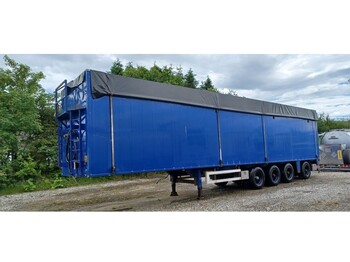
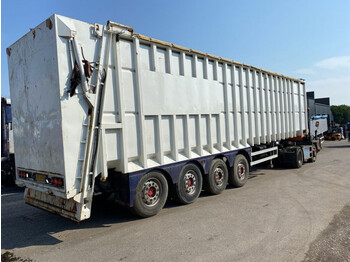
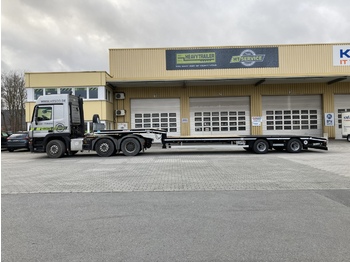
Distribution transport
Curtainsider semi-trailers
1737Refrigerator semi-trailers
1019Closed box semi-trailers
608Isothermal semi-trailers
291Dropside/ Flatbed semi-trailers
702Tank semi-trailers
819Silo semi-trailers
137Chassis semi-trailers
20Container transporters/ Swap body semi-trailers
697Walking floor semi-trailers
222Belt semi-trailers
3Autotransporter semi-trailers
130Log semi-trailers
112Beverage semi-trailers
7Livestock semi-trailers
44Construction machinery


Semi-trailers represent the cargo-carrying component of articulated truck combinations, featuring specialized designs optimized for diverse freight applications including dry van transport, flatbed hauling, refrigerated cargo, and specialized equipment transport. These essential commercial vehicles enable efficient long-haul freight movement through standardized coupling systems, optimized aerodynamics, and maximum payload utilization that forms the backbone of modern logistics networks. Semi-trailer operations serve virtually every industry segment where bulk freight movement requires cost-effective transportation solutions combined with operational flexibility and cargo protection. The semi-trailer market encompasses configurations ranging from standard dry vans for general freight to specialized units including lowboys, tank trailers, and multi-axle heavy-haul platforms. Modern semi-trailers integrate advanced materials, aerodynamic enhancements, and smart technologies that maximize fuel efficiency while ensuring cargo security and operational reliability throughout demanding commercial applications. Companies evaluating semi trailers for sale must consider cargo requirements, operational environments, and economic efficiency factors that significantly impact trailer selection and fleet profitability. Used semi trailers for sale provide cost-effective alternatives for established operations while delivering proven performance and reliability essential for competitive freight operations in demanding logistics markets.
Semi-Trailer Types and Specialized Configurations
Dry van semi-trailers represent the most common configuration for general freight transport, featuring enclosed cargo areas with typical lengths of 48-53 feet and cargo capacities ranging from 26-34 tonnes depending on construction and axle configuration. These versatile units provide weather protection, security, and standardized dimensions that accommodate palletized cargo, packaged goods, and diverse freight types throughout various industry applications. Standard dry vans feature aluminum or steel construction, swing doors or roll-up rear access, and integrated load securement systems optimized for efficient freight handling.
Flatbed semi-trailers provide versatile cargo handling capabilities for construction materials, machinery, steel products, and oversized freight requiring crane loading or specialized securing methods. Semi flatbed trailers typically feature lengths from 48-53 feet with payload capacities up to 34 tonnes, incorporating removable sides, integrated tie-down points, and specialized securing systems. Flatbed configurations include standard flats, step-decks, and extendable units that accommodate various cargo dimensions and loading requirements.
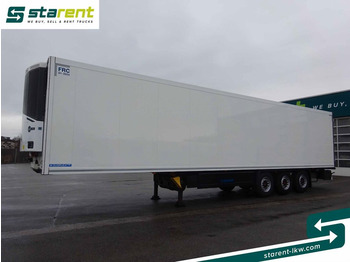
Refrigerated semi-trailers integrate mechanical refrigeration systems with insulated cargo compartments to maintain precise temperature control for food distribution, pharmaceutical transport, and temperature-sensitive cargo applications. Reefer trailers typically feature multi-temperature capabilities, advanced monitoring systems, and specialized access provisions that ensure cold chain integrity throughout transportation. These specialized units command premium pricing but enable high-value cargo transport and expanded market opportunities.
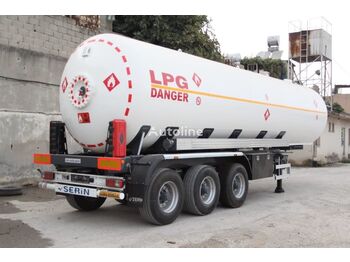
Tank semi-trailers transport liquid cargo including petroleum products, chemicals, food-grade liquids, and bulk materials through specialized tank construction, pumping systems, and safety equipment designed for specific product characteristics. Tank configurations include single-compartment units for bulk transport and multi-compartment systems for diverse product delivery, with capacities typically ranging from 25,000 to 45,000 liters depending on product density and regulatory requirements.
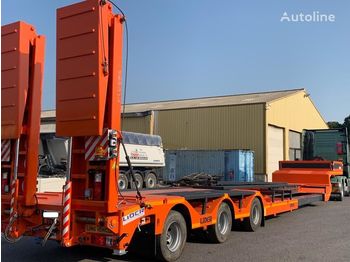
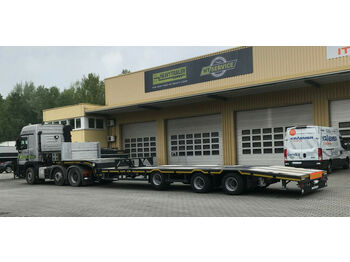
Specialized semi-trailers encompass lowboy trailers for heavy equipment transport, car carriers for automotive distribution, container chassis for intermodal operations, and custom-built units for unique cargo requirements. These specialized configurations address specific industry needs through custom engineering, enhanced capacity, and specialized features that enable transportation of cargo that standard trailers cannot accommodate effectively.
Construction Materials and Structural Engineering
Aluminum construction provides weight advantages that maximize payload capacity while maintaining structural strength and corrosion resistance essential for long-term durability. Aluminum semi-trailers typically weigh 1,000-2,000 kg less than steel equivalents, enabling increased cargo capacity within legal weight limits while providing excellent corrosion resistance and reduced maintenance requirements. Advanced aluminum alloys and welding techniques ensure structural integrity while optimizing weight distribution and operational longevity.
Steel construction offers superior strength and damage resistance for demanding applications including construction materials transport, heavy cargo hauling, and operations requiring maximum durability. Steel trailers provide excellent impact resistance, repair simplicity, and cost-effective construction while requiring enhanced corrosion protection and regular maintenance to ensure long-term reliability. High-strength steel alloys enable optimized structural design that balances strength requirements with weight considerations.
Composite materials increasingly appear in specialized applications where weight reduction, corrosion resistance, and thermal properties provide operational advantages over traditional materials. Composite construction includes fiberglass panels, carbon fiber reinforcement, and hybrid designs that optimize performance characteristics for specific applications while commanding premium pricing. These advanced materials enable specialized performance characteristics including enhanced insulation, reduced weight, and superior environmental resistance.
Floor systems range from hardwood lumber for general freight to aluminum, steel, or composite materials optimized for specific cargo characteristics and operational requirements. Floor specifications consider load distribution, durability, repair requirements, and cargo compatibility while balancing cost and performance throughout trailer service life. Specialized floor systems include reinforced sections for concentrated loads, integrated securing systems, and easy-clean surfaces for food-grade applications.
Structural optimization utilizes advanced engineering techniques including finite element analysis, computer-aided design, and materials science to create trailers that maximize payload capacity while meeting regulatory requirements and operational demands. Optimized designs reduce unnecessary weight, enhance structural efficiency, and improve operational characteristics while maintaining safety margins and regulatory compliance throughout various loading conditions and operational environments.
Axle Systems and Suspension Technology
Air suspension systems provide superior ride quality, automatic load leveling, and reduced cargo damage through pneumatic suspension that adapts to varying load conditions and road surfaces. Air suspension typically features adjustable ride height, enhanced load distribution, and improved driver comfort while protecting sensitive cargo from road-induced vibrations and impacts. Advanced air suspension systems incorporate electronic controls, load sensing, and automatic adjustments that optimize performance throughout varying operational conditions.
Spring suspension systems offer cost-effective operation and simplified maintenance through leaf spring configurations designed for specific load ranges and operational requirements. Spring systems provide reliable load support, predictable handling characteristics, and reduced maintenance complexity while sacrificing some ride quality compared to air suspension alternatives. Spring suspension remains popular in cost-sensitive applications and operations prioritizing mechanical simplicity over premium ride characteristics.
Axle configurations range from single axles for lightweight applications to multi-axle systems for maximum payload capacity and specialized load distribution requirements. Standard configurations include tandem axles for general freight, tri-axle systems for enhanced capacity, and specialized arrangements for heavy-haul applications. Axle selection considers legal weight limits, load distribution requirements, and operational characteristics while balancing payload capacity with equipment costs and maintenance complexity.
Brake systems integrate foundation brakes with anti-lock systems, electronic brake management, and trailer stability controls that ensure safe stopping performance throughout various loading conditions and operational environments. Modern brake systems feature air-actuated disc or drum brakes with electronic controls that optimize braking performance while preventing wheel lockup and maintaining directional stability. Advanced braking systems incorporate collision avoidance, automatic emergency braking, and integrated stability management.
Tire and wheel systems optimize rolling resistance, load capacity, and operational longevity through appropriate specifications matched to operational requirements and loading conditions. Tire selection considers load ratings, rolling resistance characteristics, tread patterns, and operational environments while balancing performance with acquisition and operating costs. Advanced tire technologies include low rolling resistance compounds, intelligent pressure monitoring, and predictive maintenance systems that optimize operational efficiency.
Aerodynamic Features and Fuel Efficiency
Aerodynamic trailer design significantly impacts fuel efficiency for tractor-trailer combinations, with modern semi-trailers incorporating side skirts, rear fairings, and optimized profiles that reduce drag and improve fuel economy. Aerodynamic improvements can provide fuel savings of 5-15% depending on trailer configuration and operational conditions while maintaining cargo capacity and operational functionality. Advanced aerodynamic features require minimal maintenance while providing substantial operational cost savings throughout trailer service life.
Side skirt systems reduce aerodynamic drag by managing airflow around trailer wheels and undercarriage components while protecting equipment from road spray and debris. Side skirts typically provide fuel savings of 2-5% while adding minimal weight and maintenance requirements to trailer operations. Advanced skirt systems include adjustable configurations, integrated lighting, and damage-resistant construction that maintains aerodynamic benefits throughout demanding operational conditions.
Rear tail fairings and boat-tail devices reduce aerodynamic drag at the trailer rear while accommodating various operational requirements including dock access and cargo handling. Rear aerodynamic devices can provide fuel savings of 1-3% while requiring careful design to maintain operational functionality and avoid interference with loading operations. Advanced rear fairings include deployable systems, integrated lighting, and optimized profiles that maximize aerodynamic benefits.
Underbody aerodynamics including smooth panels, optimized landing gear, and streamlined components reduce drag while protecting equipment from road debris and environmental exposure. Underbody improvements provide modest fuel savings while offering operational benefits including reduced maintenance, improved component protection, and enhanced operational reliability. Advanced underbody systems integrate multiple functions including aerodynamics, protection, and equipment mounting.
Integrated aerodynamic systems coordinate multiple aerodynamic features to achieve maximum fuel efficiency benefits while maintaining operational functionality and regulatory compliance. Integrated approaches consider tractor-trailer compatibility, operational requirements, and maintenance accessibility while optimizing overall aerodynamic performance. These comprehensive systems require careful engineering but provide maximum fuel efficiency benefits and operational cost reduction.
Load Management and Cargo Securing Systems
Load securement systems ensure cargo safety and regulatory compliance through integrated tie-down points, load bars, and securing hardware designed for various cargo types and loading configurations. Securement systems must meet regulatory requirements while providing operational efficiency and ease of use throughout frequent loading cycles. Advanced securement systems include quick-adjustment mechanisms, integrated load monitoring, and automated securing devices that optimize efficiency while ensuring cargo safety.
Weight distribution systems optimize payload utilization and regulatory compliance through proper axle loading, cargo placement, and weight management throughout various loading scenarios. Proper weight distribution ensures maximum legal payload while maintaining vehicle stability and component longevity. Weight management systems include integrated scales, load monitoring, and distribution guidance that optimize payload utilization while ensuring regulatory compliance.
Cargo protection systems prevent load shifting, damage, and contamination through appropriate restraint systems, protective barriers, and environmental controls matched to specific cargo characteristics. Protection systems range from simple load bars to sophisticated restraint networks designed for specialized cargo requirements. Advanced protection systems include automated restraint, load monitoring, and damage prevention technologies that ensure cargo integrity throughout transportation.
Loading efficiency systems facilitate rapid cargo handling through integrated equipment, optimized access, and systematic loading procedures that minimize handling time while ensuring proper load distribution. Efficiency systems include dock positioning aids, integrated loading equipment, and systematic cargo management that optimize operational productivity. Advanced loading systems incorporate automation, guided positioning, and integrated inventory management that streamline operational procedures.
Specialized securing systems address unique cargo requirements including heavy machinery, hazardous materials, and oversized cargo through custom restraint systems, specialized hardware, and enhanced safety features. Specialized systems require engineering analysis, regulatory compliance, and operational expertise that ensures safe transport of challenging cargo. These systems often incorporate custom hardware, enhanced monitoring, and specialized operational procedures.
Technology Integration and Smart Features
Telematics systems provide comprehensive trailer monitoring including location tracking, cargo monitoring, and operational analytics that enhance fleet management and operational efficiency. Modern telematics platforms integrate GPS tracking, sensor monitoring, and communication systems that provide real-time visibility into trailer utilization and operational performance. Advanced telematics systems include predictive analytics, automated reporting, and integration with fleet management systems that optimize operational decision-making.
Cargo monitoring systems track temperature, humidity, shock, and security parameters throughout transportation to ensure cargo integrity and provide documentation for quality assurance and regulatory compliance. Monitoring systems typically include wireless sensors, data logging, and real-time alerting that enable proactive intervention when cargo conditions deviate from acceptable parameters. Advanced monitoring systems integrate with supply chain management platforms to provide comprehensive cargo visibility.
Maintenance management systems utilize sensors, predictive analytics, and automated reporting to optimize maintenance scheduling while minimizing operational disruptions and component failures. These systems monitor component condition, usage patterns, and performance parameters to predict maintenance requirements and prevent unexpected failures. Advanced maintenance systems integrate with fleet management platforms to optimize scheduling and resource allocation while maintaining operational availability.
Safety systems incorporate collision avoidance, stability management, and integrated safety monitoring that enhance operational safety while protecting valuable cargo and equipment. Safety systems include electronic stability controls, automated braking assistance, and integrated warning systems that prevent accidents and operational hazards. Advanced safety systems integrate with tractor unit systems to provide comprehensive vehicle combination safety management.
Efficiency optimization systems utilize data analytics, operational monitoring, and automated controls to maximize fuel efficiency, payload utilization, and operational productivity throughout various operational conditions. Optimization systems analyze operational patterns, route characteristics, and loading procedures to identify improvement opportunities and implement automated optimizations. These systems provide ongoing operational enhancement while reducing costs and environmental impact.
Economic Analysis and Investment Considerations
Semi trailer price structures vary significantly based on configuration, features, and market conditions, with new dry van trailers typically ranging from ₹15-30 lakhs while specialized units can exceed ₹50 lakhs depending on complexity and features. Used semi trailers for sale provide cost-effective alternatives at 40-70% of new trailer costs depending on age, condition, and remaining service life. Investment analysis should consider total cost of ownership including acquisition costs, operational efficiency, maintenance requirements, and resale value projections.
Operating cost analysis encompasses maintenance expenses, tire replacement, regulatory compliance, and operational efficiency factors that impact total cost of ownership throughout trailer service life. Annual operating costs typically range from 8-15% of initial purchase price depending on utilization, operational conditions, and maintenance quality. Efficient trailers with aerodynamic features and quality construction often provide operational cost savings that justify premium acquisition costs through reduced fuel consumption and maintenance requirements.
Revenue optimization considerations include payload capacity, operational efficiency, and market positioning factors that influence earning potential and competitive positioning. Efficient trailers enable increased payload capacity, reduced operational costs, and enhanced service capabilities that support premium pricing and improved profitability. Trailer selection should consider market requirements, competitive positioning, and operational advantages that maximize revenue potential throughout trailer service life.
Utilization optimization through appropriate trailer selection, operational efficiency, and market positioning maximizes asset productivity while minimizing idle time and operational costs. High-utilization trailers provide superior return on investment through maximized earning potential and efficient asset deployment. Utilization analysis should consider market demand, operational patterns, and competitive factors that influence trailer productivity and profitability.
Lifecycle cost analysis encompasses acquisition costs, operational expenses, maintenance requirements, and resale value considerations to determine optimal replacement timing and fleet composition strategies. Comprehensive lifecycle analysis enables optimal fleet management decisions while maximizing return on investment throughout changing market conditions and operational requirements. These analysis should consider technological evolution, regulatory changes, and market trends that influence optimal fleet composition and replacement timing.
What factors determine semi-trailer pricing in the current market?
Semi-trailer prices vary based on configuration (dry van, flatbed, reefer), construction materials (aluminum vs steel), axle configuration, features, and manufacturer reputation. New dry van trailers range ₹15-30 lakhs, while specialized units exceed ₹50 lakhs. Used semi trailers cost 40-70% less depending on age and condition. Factors include aerodynamic features, axle systems, suspension type, and specialized equipment significantly impacting pricing structures.
How do I choose between aluminum and steel semi-trailer construction?
Aluminum trailers weigh 1,000-2,000 kg less than steel equivalents, enabling increased payload capacity and better fuel efficiency, but cost 15-25% more initially. Steel trailers offer superior strength and damage resistance at lower cost but require enhanced corrosion protection. Consider payload requirements, operational environment, maintenance capabilities, and total cost of ownership when selecting construction materials.
What are the main differences between dry van, flatbed, and refrigerated semi-trailers?
Dry van trailers provide enclosed cargo protection for general freight with standard 48-53 foot lengths. Flatbed trailers offer versatile loading for construction materials and machinery with crane access capabilities. Refrigerated trailers integrate temperature control systems for food and pharmaceutical transport but cost 40-60% more than dry vans. Selection depends on cargo types, loading requirements, and market segments served.
Are there specific regulations for semi-trailer operations and configurations?
Semi-trailer operations must comply with weight limits (typically 34 tonnes payload), dimensional restrictions, brake system requirements, and safety equipment standards. Specialized cargo may require additional permits and safety equipment. Interstate operations often require enhanced compliance documentation. Regulatory requirements vary by jurisdiction and cargo type, requiring careful compliance planning and operational procedures.
What maintenance is essential for semi-trailer reliability and longevity?
Critical maintenance includes brake system inspection every 90 days, tire rotation and inspection every 15,000-25,000 km, landing gear lubrication monthly, and suspension system service every 100,000 km. Annual inspections verify structural integrity, lights, and safety systems. Air suspension requires regular drain valve operation and component inspection. Preventive maintenance programs significantly impact reliability and operating costs.
How do aerodynamic features impact fuel efficiency and operating costs?
Aerodynamic features including side skirts, rear fairings, and optimized profiles can improve fuel efficiency by 5-15% for tractor-trailer combinations. Side skirts typically provide 2-5% improvement, while rear fairings add 1-3% efficiency gains. Aerodynamic improvements require minimal maintenance while providing substantial fuel cost savings. Investment payback typically occurs within 2-3 years through fuel savings.
What should I consider when buying used semi-trailers?
Used trailer evaluation should include structural inspection, brake system condition, tire wear patterns, floor condition, and maintenance history. Check for frame damage, corrosion, door operation, and electrical systems. Consider remaining service life, compatibility with tractor units, and modification requirements. Professional inspection recommended for high-value purchases. Factor reconditioning costs into total acquisition expenses.
Can semi-trailers be customized for specific cargo types or operations?
Semi-trailers offer extensive customization including specialized flooring, integrated equipment, temperature control systems, and cargo management features. Custom options include reinforced construction, specialized access systems, and integrated securing equipment. Customization enables optimization for specific cargo types and operational requirements but increases costs and delivery times. Consider operational benefits versus additional investment when evaluating custom features.
What insurance considerations apply to semi-trailer operations?
Semi-trailer insurance requires cargo coverage, physical damage protection, and liability coverage appropriate for cargo values and operational risks. Consider comprehensive coverage for weather damage, theft protection, and specialized cargo requirements. Insurance costs vary based on cargo types, operational territories, and driver experience. Multi-trailer operations may qualify for fleet discounts and specialized coverage options.
How long do semi-trailers typically last in commercial service?
Well-maintained semi-trailers achieve 15-25 years of commercial service or 800,000-1,500,000 kilometers depending on application intensity and maintenance quality. Dry van trailers often achieve maximum service life, while specialized units may require earlier replacement due to technology obsolescence. Proper maintenance, quality construction, and appropriate application matching significantly impact longevity. Resale values remain strong for well-maintained units from established manufacturers.