
Hook lifts


MAN 41.480 10x4 Kran Hiab XS322-19m Höhe-10T/2.9m
89 900EUR
Price excl. VAT
- ≈ 9 722 595 INR
- ≈ 103 059 USD


2019 Volvo FH540 8X4 Tridem krokløft - Brøyterigget - 329956KM


2015 Scania R580 8X4 Krokbil - Utstyrt - Joab - VBG - 628401KM


2018 Scania R580 V8 Tridem 8x4 Krokbil med Joab 24t krok med knekk - Kranhydraulikk - Maskinflak og Dumperkasse - EU ok til juni 2026


Mercedes-Benz 2543 6X2 Meiller Abroller mit Funkbedienung Top
56 999EUR
Price excl. VAT
- ≈ 6 164 384 INR
- ≈ 65 342 USD
4 million buyers per month search for vehicles and machinery on Truck1.



MAN TGA 26.360 + 6X4 + HOOK ARM SYSTEM + MANUAL + BIG AXLES TR1876
25 950EUR
Price excl. VAT
- ≈ 2 806 466 INR
- ≈ 29 748 USD


DAF AK48XS XF95.530 8x2/4 SpaceCab Euro3 - 30T Hook Arm + Cable Puller Euro18 Radio Control + Rotator Clamp - Rockinger
24 950EUR
Price excl. VAT
- ≈ 2 698 317 INR
- ≈ 28 602 USD


Mercedes-Benz ARCOS 3243
82 900EUR
Price excl. VAT
- ≈ 8 965 552 INR
- ≈ 95 034 USD


Scania 590S V8 NGS 6x4 - HIAB Multilift 24T + Box with Palfinger crane - Like new - Retarder - Full air - Leather
199 900EUR
Price excl. VAT
- ≈ 21 618 985 INR
- ≈ 229 161 USD


MAN TGX 35.500 8x4*4 - Hyva Hooklift - Custom interior - Steering axle rear - Euro 6
42 900EUR
Price excl. VAT
- ≈ 4 639 592 INR
- ≈ 49 179 USD


Scania 590S V8 NGS 6x4 - HIAB Multilift 24T - Like new - Retarder - Full air - Leather
179 900EUR
Price excl. VAT
- ≈ 19 456 005 INR
- ≈ 206 233 USD


Scania P380 6X4
21 900EUR
- ≈ 2 368 463 INR
- ≈ 25 105 USD


DAF CF 460


DAF CF 440


Mercedes Arocs 2648 LS


MAN TGA 33.430 waf hooklift,VOOR5.50 METER CONTAINERBAKKEN


Scania R420 hook lift truck
23 700EUR
Price excl. VAT
- ≈ 2 563 131 INR
- ≈ 27 169 USD


DAF CF 85.360 | 6X2 | VDL HOOKLIFT | EURO 5
11 750EUR
Price excl. VAT
- ≈ 1 270 750 INR
- ≈ 13 469 USD

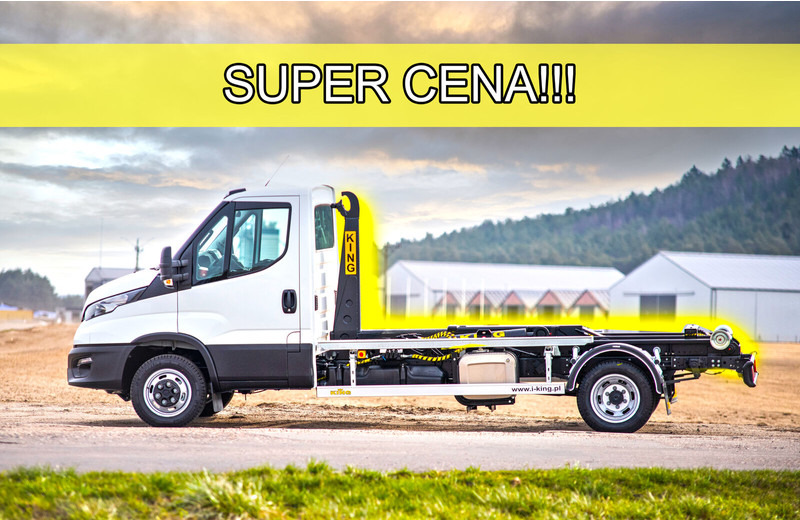


Iveco Daily 70C18
57 713EUR
Price excl. VAT
- ≈ 6 241 603 INR
- ≈ 66 161 USD


Mitsubishi Fuso Camion ampliroll 6,5T
38 000EUR
- ≈ 4 109 662 INR
- ≈ 43 562 USD


DAF FA CF 65 hook lift truck
3 000EUR
Price excl. VAT
- ≈ 324 447 INR
- ≈ 3 439 USD
Hook lifts Market Snapshot
Top manufacturers
DAF, MAN, MERCEDES-BENZ, SCANIA, VOLVO
Main locations to buy
Germany (Offers: 377), Netherlands (Offers: 340), Belgium (Offers: 244), France (Offers: 84), Sweden (Offers: 72)
Technical specifications
| Payload, kg | 3 118–25 215 |
| Gross weight, kg | 7 490–40 729 |
| Power output, hp | 159–586 |
| Price, EUR | 7 925–202 802 |
| Year | 1997–2026 |
| Mileage km | 119–890 098 |
| Registration year | 1996–2025 |
Hook lift trucks represent a highly versatile category of commercial vehicles equipped with hydraulic hook lift systems that enable rapid loading, transportation, and unloading of specialized containers and equipment. These multi-functional vehicles feature articulated hook mechanisms mounted behind the cab, allowing operators to collect, transport, and deposit various container types including waste bins, storage containers, and specialized equipment modules. Hook lift truck operations serve diverse industries including waste management, construction, manufacturing, and logistics where flexible container handling capabilities maximize operational efficiency and equipment utilization. The hook lift market encompasses configurations ranging from compact urban units for restricted access locations to heavy-duty systems capable of handling containers weighing up to 30 tonnes. Modern hook lift trucks integrate advanced hydraulic systems, automated controls, and safety mechanisms that ensure precise container positioning while maximizing operator safety and productivity. Companies evaluating hook lift truck for sale options must consider lifting capacity requirements, container compatibility, and operational versatility factors that significantly impact vehicle selection and return on investment. Hook loader truck technology focuses on providing maximum operational flexibility through interchangeable container systems that enable single vehicles to serve multiple applications throughout their operational cycles.
Hook Lift Mechanism Design and Hydraulic Systems
Hook lift mechanisms utilize sophisticated hydraulic systems designed to provide precise container handling capabilities while maintaining operational safety and efficiency. The primary lifting assembly features an articulated hook arm that extends from the vehicle chassis, incorporating multiple pivot points and hydraulic cylinders that enable smooth container pickup and deposit operations. Lifting capacities typically range from 8 to 30 tonnes depending on vehicle size and hydraulic system specifications, with cycle times of 60-120 seconds for complete loading or unloading operations.
Hydraulic system specifications encompass high-pressure pumps operating at 180-250 bar, generating sufficient force to handle fully loaded containers while maintaining precise control throughout lifting operations. Power take-off systems provide hydraulic power through engine-driven pumps, typically featuring flow rates of 80-150 liters per minute depending on system requirements. Advanced systems incorporate load-sensing technology that automatically adjusts hydraulic flow based on container weight and operational demands, optimizing fuel consumption while maintaining performance.
Container positioning systems enable precise alignment and secure attachment through automated hook engagement mechanisms, guide rails, and positioning sensors that ensure proper container placement. These systems typically feature self-aligning hooks, automatic locking mechanisms, and visual positioning aids that reduce operator skill requirements while ensuring safe container handling. Advanced positioning systems incorporate electronic controls that provide automated container alignment and engagement sequences.
Safety systems integrate multiple protection mechanisms including load moment indicators, tipping prevention systems, and emergency stop functions that prevent unsafe operations. Stability monitoring systems continuously assess vehicle stability during lifting operations, providing automatic intervention if unsafe conditions are detected. Emergency lowering systems enable container deposit in case of hydraulic system failure, ensuring operational safety and preventing equipment damage.
Control systems range from basic manual valve arrangements to sophisticated electronic controls with programmable sequences and operator assistance features. Advanced control systems feature joystick operation, preset positioning functions, and automated loading sequences that reduce operator workload while ensuring consistent performance. Remote control capabilities enable operation from outside the vehicle cab, improving safety and operational flexibility in hazardous environments.
Container Types and Interchangeable Systems
Waste container systems represent the largest application segment for hook lift trucks, featuring standardized containers ranging from 8 to 40 cubic meters capacity designed for various waste types including municipal solid waste, construction debris, and recyclable materials. These containers incorporate standardized hook points, reinforced construction, and specialized features including compaction systems, weighing capabilities, and environmental protection measures. Waste containers often feature multiple configurations including rear-loading, top-loading, and side-loading designs optimized for specific collection requirements.
Storage container applications utilize hook lift systems for temporary storage solutions, equipment transport, and mobile workshop configurations. These containers feature weatherproof construction, security systems, and specialized internal configurations including shelving, power systems, and climate control capabilities. Storage containers enable flexible deployment of equipment and materials to remote locations while providing secure, organized storage solutions.
Specialized equipment modules expand hook lift truck capabilities through interchangeable systems including mobile workshops, generator units, compressor systems, and specialized maintenance equipment. These modules feature integrated power systems, tool storage, and specialized equipment that transforms hook lift trucks into mobile service platforms. Equipment modules enable single vehicles to serve multiple functions, maximizing equipment utilization and operational flexibility.
Flatbed and platform containers provide versatile cargo handling capabilities for construction materials, equipment transport, and general freight applications. These containers feature removable sides, tie-down points, and loading ramps that accommodate diverse cargo types while maintaining the flexibility of hook lift operation. Platform containers often incorporate specialized features including crane mounting points, equipment securing systems, and weather protection capabilities.
Custom container solutions address specialized application requirements through engineered containers featuring unique dimensions, specialized equipment, and application-specific features. Custom containers enable hook lift trucks to serve niche markets including hazardous waste transport, specialized manufacturing support, and unique logistics applications that require tailored container solutions.
Operational Advantages and Versatility Benefits
Multi-application capability represents the primary advantage of hook lift systems, enabling single vehicles to serve diverse functions through interchangeable container configurations. This versatility maximizes equipment utilization, reduces fleet requirements, and provides operational flexibility that adapts to changing business needs. Hook lift trucks can transition between waste collection, material transport, equipment delivery, and storage applications within the same operational day, optimizing revenue generation and equipment efficiency.
Rapid container exchange capabilities enable efficient operation in applications requiring frequent container changes, including waste collection routes, construction site support, and logistics operations. Container exchange typically requires 2-5 minutes per operation, significantly faster than conventional loading methods and enabling higher productivity levels. Rapid exchange capabilities reduce labor requirements, minimize operational delays, and improve customer service through faster response times.
Ground-level operation eliminates the need for elevated loading facilities, enabling container placement in locations inaccessible to conventional equipment. This capability expands market opportunities, reduces infrastructure requirements, and provides access to restricted locations including basement loading areas, confined construction sites, and urban environments with space limitations. Ground-level operation also improves safety by eliminating elevated work risks.
Container standardization enables efficient fleet management through interchangeable containers that can be serviced by multiple vehicles within a fleet. Standardized hook points, dimensions, and attachment mechanisms ensure compatibility across different hook lift trucks, providing operational redundancy and fleet flexibility. Container standardization also facilitates container sharing between operators and enables efficient container rental markets.
Automated operation reduces operator skill requirements and training time while ensuring consistent performance across different operators. Automated hook engagement, positioning assistance, and safety systems minimize operator error while improving operational safety. These features enable faster operator training, reduced insurance costs, and improved operational reliability compared to manual loading systems.
Market Applications and Industry Segments
Waste management operations represent the largest market segment for hook lift trucks, utilizing these vehicles for commercial waste collection, construction debris removal, and recycling material transport. Waste management applications benefit from the ability to deploy containers at customer locations, collect full containers, and replace them with empty units in a single efficient operation. Hook lift systems enable flexible scheduling, reduce labor requirements, and improve operational efficiency compared to traditional waste collection methods.
Construction industry applications utilize hook lift trucks for material delivery, debris removal, and equipment transport throughout project lifecycles. Construction operations benefit from the ability to position containers precisely at work sites, facilitate material organization, and provide secure storage for tools and equipment. Hook lift systems enable efficient material handling, reduce manual labor requirements, and improve site organization through systematic container deployment.
Manufacturing support applications employ hook lift trucks for raw material delivery, finished product transport, and waste removal from production facilities. Manufacturing operations benefit from flexible container deployment that adapts to production schedules, space constraints, and material handling requirements. Hook lift systems enable just-in-time delivery, efficient waste management, and flexible logistics support that optimizes manufacturing operations.
Municipal services utilize hook lift trucks for street maintenance, parks and recreation support, and emergency response applications. Municipal operations benefit from the versatility of hook lift systems that can transport maintenance equipment, provide emergency response capabilities, and support diverse municipal functions with single vehicle platforms. Hook lift trucks enable efficient resource utilization and flexible service delivery for municipal organizations.
Specialized industries including oil and gas, mining, and utilities employ hook lift trucks for equipment transport, temporary facility deployment, and specialized material handling. These applications require robust construction, specialized containers, and enhanced safety features that address unique operational requirements. Hook lift systems provide the flexibility and capability required for demanding industrial applications while maintaining operational safety and efficiency.
Economic Analysis and Investment Considerations
Hook lift truck acquisition costs reflect the specialized hydraulic systems, robust construction, and versatile capabilities of these multi-functional vehicles. Basic hook lift trucks with 15-tonne lifting capacity typically range from ₹45-65 lakhs, while heavy-duty units with advanced features can exceed ₹85 lakhs. Container costs add ₹2-8 lakhs per unit depending on size and specifications, but the ability to utilize multiple containers with single vehicles often provides favorable economics compared to dedicated vehicle purchases.
Operating cost analysis reveals efficiency advantages through multi-application capability, reduced fuel consumption per transported tonne, and optimized routing enabled by flexible container deployment. Fuel consumption typically ranges from 4-7 kilometers per liter depending on operational patterns, vehicle size, and loading conditions. The ability to serve multiple applications with single vehicles reduces overall fleet fuel consumption and operational costs compared to specialized vehicle alternatives.
Revenue optimization opportunities include container rental income, multi-service capability, and premium pricing for flexible service offerings. Hook lift operators can generate revenue from both transportation services and container rental, creating multiple revenue streams from single vehicle investments. Service flexibility enables premium pricing for rapid response, specialized applications, and value-added services that exceed conventional transport offerings.
Maintenance costs generally range from 10-15% of initial purchase price annually, including hydraulic system servicing, container maintenance, and chassis upkeep. Hook lift systems require specialized maintenance knowledge but benefit from robust construction and standardized components that facilitate efficient service. Container maintenance represents additional costs but enables extended container life and reliable performance across multiple applications.
Return on investment calculations typically demonstrate favorable payback periods of 3-5 years for well-utilized hook lift operations, reflecting revenue optimization through multi-application capability and operational efficiency gains. Investment analysis should consider container acquisition costs, operational versatility benefits, and market premium for flexible service offerings when evaluating hook lift truck investments.
Selection Criteria and Procurement Guidelines
Lifting capacity requirements should align with typical container weights while providing adequate safety margins for operational variations. Standard capacities range from 8 tonnes for urban applications to 30 tonnes for heavy industrial use, with selection based on maximum anticipated loads rather than average weights. Overcapacity provides operational flexibility and safety margins, while undercapacity limits operational options and may create safety concerns.
Chassis specifications must accommodate hook lift equipment weight, provide adequate stability during lifting operations, and deliver appropriate power for loaded operation. Engine specifications should provide sufficient power for hydraulic system operation and loaded travel, typically ranging from 250-400 horsepower depending on application requirements. Chassis reinforcement ensures structural integrity under dynamic loading conditions encountered during hook lift operations.
Hydraulic system specifications should provide adequate lifting capacity, appropriate cycle times, and reliable performance under demanding conditions. Advanced systems offer load-sensing technology, electronic controls, and automated features that improve operational efficiency and safety. System complexity should align with operator capabilities and maintenance resources to ensure reliable long-term operation.
Container compatibility considerations include standardized hook points, dimensional compatibility, and application-specific features required for intended operations. Container selection should consider current and anticipated future applications to maximize investment utilization. Standardized containers provide flexibility and resale value, while specialized containers enable premium applications but may limit versatility.
Manufacturer reputation and service support availability represent critical factors for specialized hook lift equipment requiring expert maintenance and parts availability. Established manufacturers typically offer comprehensive training, technical support, and parts availability essential for maintaining operational uptime. Service network coverage should align with operational territories to minimize downtime during maintenance or repair requirements.
What factors determine hook lift truck pricing in the current market?
Hook lift truck prices vary based on lifting capacity (8-30 tonnes), hydraulic system complexity, chassis specifications, and automation features. Basic 15-tonne units range ₹45-65 lakhs, while heavy-duty systems exceed ₹85 lakhs. Container costs add ₹2-8 lakhs each. Factors include hydraulic system sophistication, safety features, control systems, and manufacturer reputation significantly impacting pricing structures.
How do I determine the right lifting capacity for my operations?
Lifting capacity should accommodate maximum anticipated container weights plus safety margins. Consider typical waste container weights (8-15 tonnes), construction debris loads (15-25 tonnes), and specialized equipment modules (10-30 tonnes). Factor in operational flexibility needs and future applications. Overcapacity provides versatility and safety margins, while undercapacity limits operational options and creates safety risks.
What are the main advantages of hook lift systems over conventional trucks?
Hook lift trucks offer multi-application versatility, rapid container exchange (2-5 minutes), ground-level operation without loading facilities, and standardized container compatibility. Single vehicles serve waste collection, material transport, equipment delivery, and storage applications. Benefits include maximized equipment utilization, reduced fleet requirements, operational flexibility, and premium service capabilities that justify higher acquisition costs.
Are there specific licensing requirements for hook lift truck operations?
Hook lift operations require commercial driving licenses appropriate for vehicle gross weight, plus specialized training for hydraulic system operation and container handling procedures. Some jurisdictions require crane operator endorsements for lifting operations. Waste transport may need additional permits and environmental compliance training. Operator training should cover safety procedures, maintenance basics, and emergency response protocols.
What maintenance is required for hook lift hydraulic systems?
Hydraulic maintenance includes regular fluid analysis, filter replacement every 500-1,000 hours, and cylinder seal inspection. Hydraulic fluid changes occur every 2,000-3,000 hours depending on operating conditions. Daily inspections verify fluid levels, hose condition, and system performance. Annual safety inspections ensure load monitoring systems and emergency features function correctly. Specialized technicians recommended for complex repairs.
Can hook lift trucks handle different container types and sizes?
Hook lift trucks accommodate various container types including waste bins (8-40 m³), storage containers, equipment modules, and flatbed platforms. Standardized hook points ensure compatibility across different containers. Multi-size capability depends on hydraulic system capacity and chassis specifications. Consider container standardization for fleet flexibility versus specialized containers for premium applications when planning container inventory.
What safety features are essential for hook lift operations?
Essential safety features include load moment indicators, stability monitoring, emergency stop systems, automatic hook locking, and tipping prevention controls. Advanced systems offer automated container positioning, remote operation capability, and integrated warning systems. Safety training covers proper positioning, ground conditions assessment, and emergency procedures. Regular safety inspections verify all protection systems function correctly.
How do operating costs compare between hook lift and dedicated trucks?
Hook lift trucks typically cost 15-25% more initially but provide operational savings through multi-application capability and optimized fleet utilization. Fuel consumption ranges 4-7 km/liter depending on applications. Maintenance costs include hydraulic system servicing but benefit from reduced fleet requirements. Revenue optimization through container rental and premium services often offsets higher acquisition costs within 3-5 years.
What container options are available for hook lift systems?
Container options include open-top waste bins, closed storage containers, equipment modules, flatbed platforms, and specialized units for specific applications. Capacities range from 8-40 m³ with various configurations. Features include compaction systems, weighing equipment, security measures, and specialized internal arrangements. Container selection should consider current needs and future application expansion for maximum investment utilization.
How long do hook lift trucks typically last in commercial service?
Well-maintained hook lift trucks achieve 15-20 years of commercial service or 800,000-1,200,000 kilometers depending on usage intensity and maintenance quality. Hydraulic systems often require overhauls at 8-12 year intervals, while chassis components may achieve longer service life. Proper maintenance, operator training, and quality containers significantly impact longevity. Resale values remain strong due to versatility and robust construction.