
Isothermal trucks


Scania R410
13 500EUR
Price excl. VAT
- ≈ 1 508 233 INR
- ≈ 15 762 USD


Scania R410
13 500EUR
Price excl. VAT
- ≈ 1 508 233 INR
- ≈ 15 762 USD

Refrigerated truck Scania P370 6x2-4 12.7 -2020 | Hultsteins | Raise/Lower



MAN TGS 26.400 / LONG CONTAINER 24 EUROPALET
20 774EUR
Price excl. VAT
- ≈ 2 320 892 INR
- ≈ 24 255 USD
4 million buyers per month search for vehicles and machinery on Truck1.



Volvo FH 13.500 6x2*4 - XL - Thermoking frigo - Retarder - Full air + Schmitz/Vedecar trailer thermoking
82 400EUR
Price excl. VAT
- ≈ 9 205 810 INR
- ≈ 96 207 USD


VOLVO FL240
9 000EUR
- ≈ 1 005 489 INR
- ≈ 10 508 USD


Volvo FL 12.250 - Carrier Supra 550 Nordic - Zepro loadlift - Euro 6 - Automatic gearbox
19 900EUR
Price excl. VAT
- ≈ 2 223 247 INR
- ≈ 23 234 USD


RENAULT T380
18 500EUR
Price excl. VAT
- ≈ 2 066 838 INR
- ≈ 21 600 USD


MAN TGM 15
15 000EUR
- ≈ 1 675 815 INR
- ≈ 17 513 USD


Mercedes-Benz Antos 2124 Carrier 1950MTVector 3 Compartments
24 500EUR
Price excl. VAT
- ≈ 2 737 164 INR
- ≈ 28 605 USD


Mercedes-Benz Antos 2124 Carrier Vector 1950MT 2 Zijdeuren Dhollandia 2000KG NL Truck 317.340KM!
22 500EUR
Price excl. VAT
- ≈ 2 513 722 INR
- ≈ 26 270 USD


MERCEDES-BENZ ACTROS 1832 / IZOTERMA / WINDA / 21 EUROPALET / SYPIALKA / TABLETY / AUTOMAT / 2022 ROK / GRZANIE ZABUDOWY
58 800EUR
Price excl. VAT
- ≈ 6 569 194 INR
- ≈ 68 653 USD


SCANIA G280 / IZOTERMA / WINDA / SCHMITZ / 21 EUROPALET / NISKI PRZEBIEG / AUTOMAT / EURO 6 / SPROWADZONA / SERWISOWANA
39 800EUR
Price excl. VAT
- ≈ 4 446 495 INR
- ≈ 46 469 USD
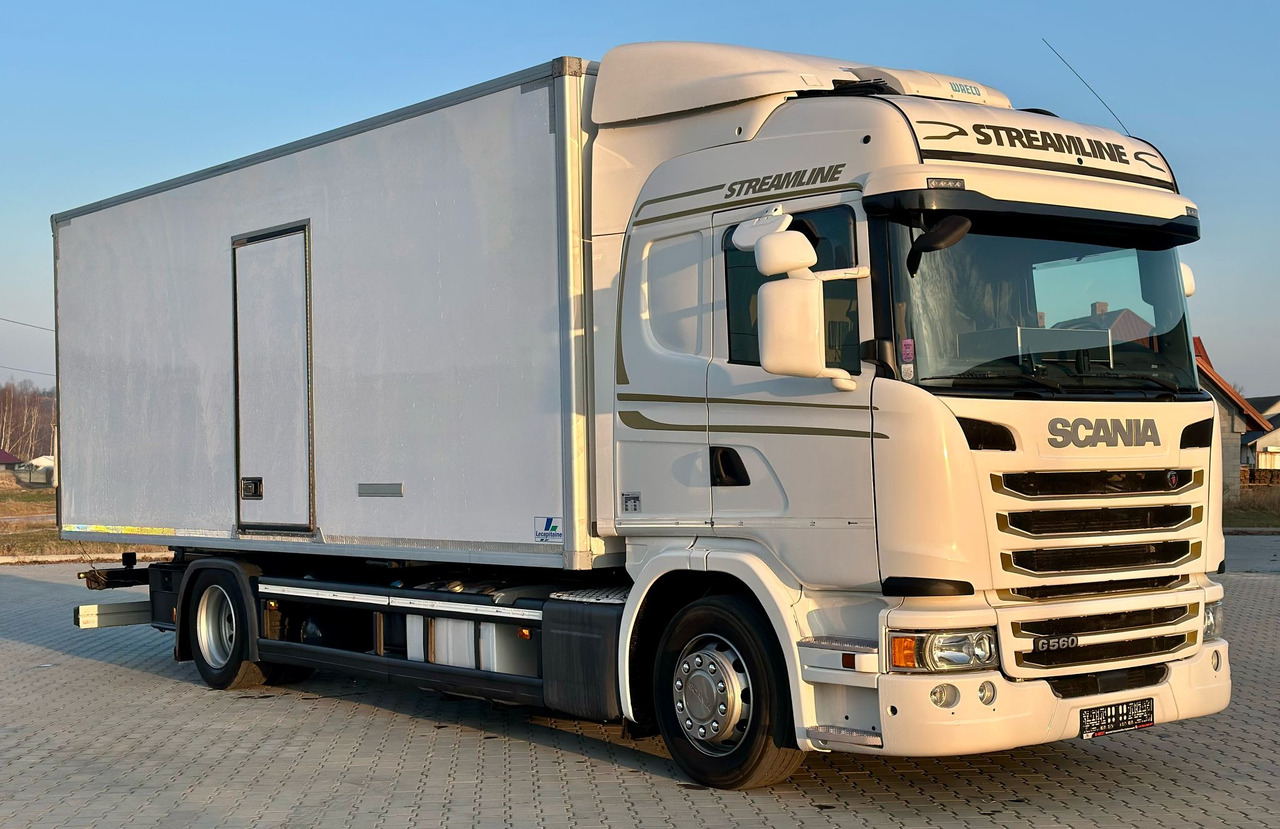

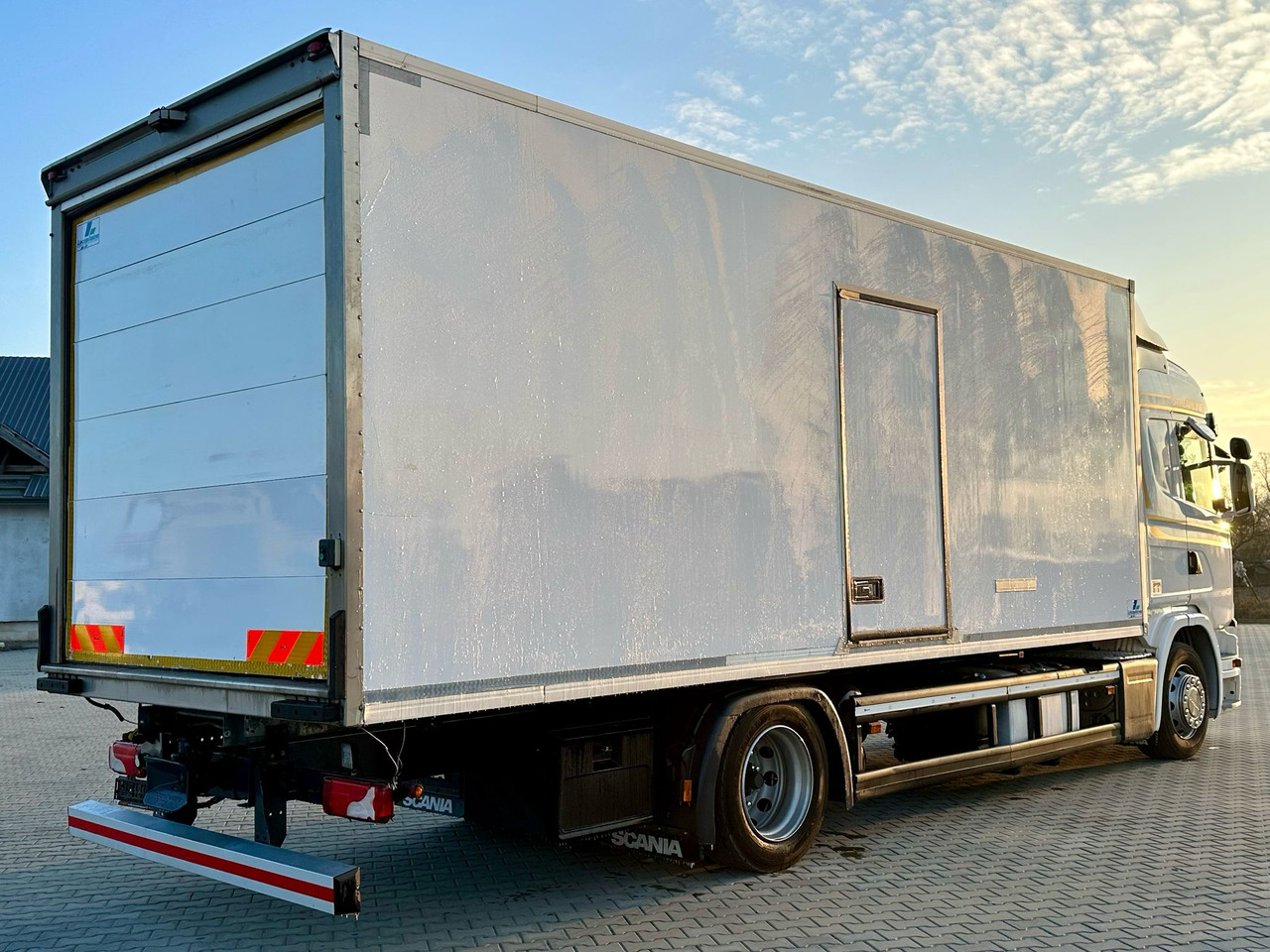


SCANIA G360 / IZOTERMA / 6.8 M DŁUGOŚCI / AUTOMAT / CAŁA NA PODUSZKACH / KLIMA POSTOJOWA / ELEKTRYCZNA ROLETA TYŁ / SYPIALKA
28 500EUR
Price excl. VAT
- ≈ 3 184 048 INR
- ≈ 33 275 USD


DAF XF 106 440 FAR 6x2 Euro6
16 900EUR
Price excl. VAT
- ≈ 1 888 084 INR
- ≈ 19 731 USD
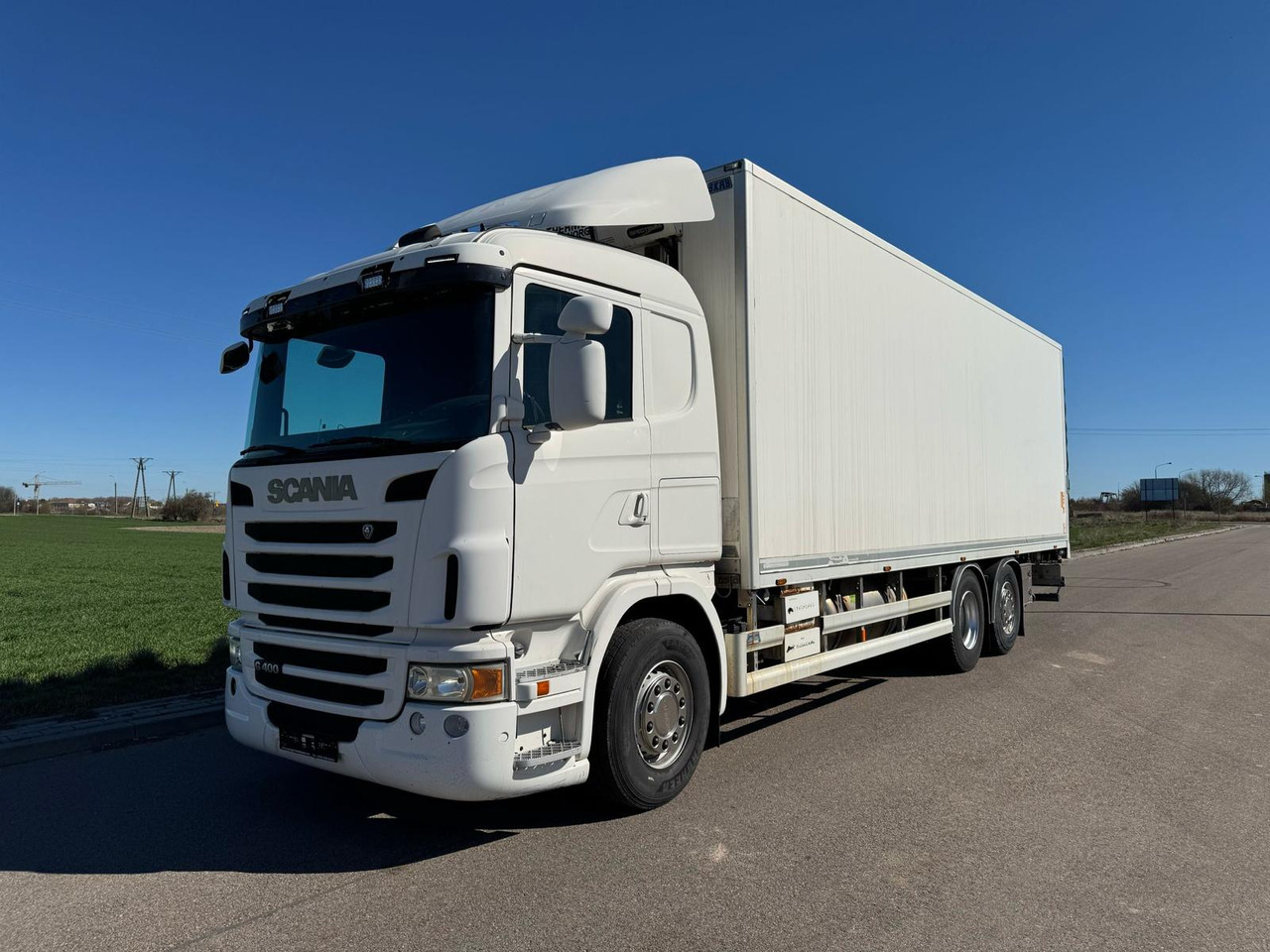
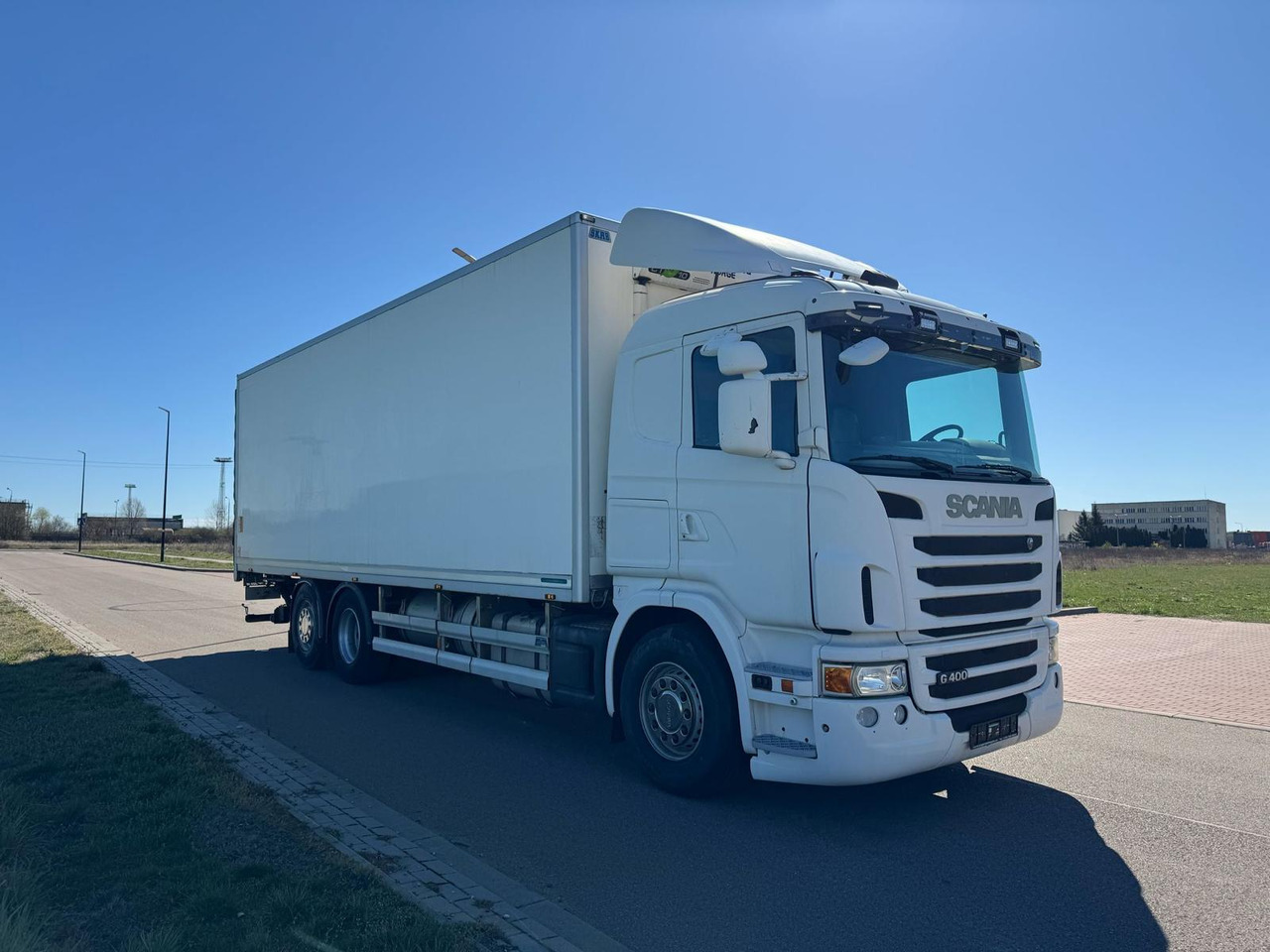
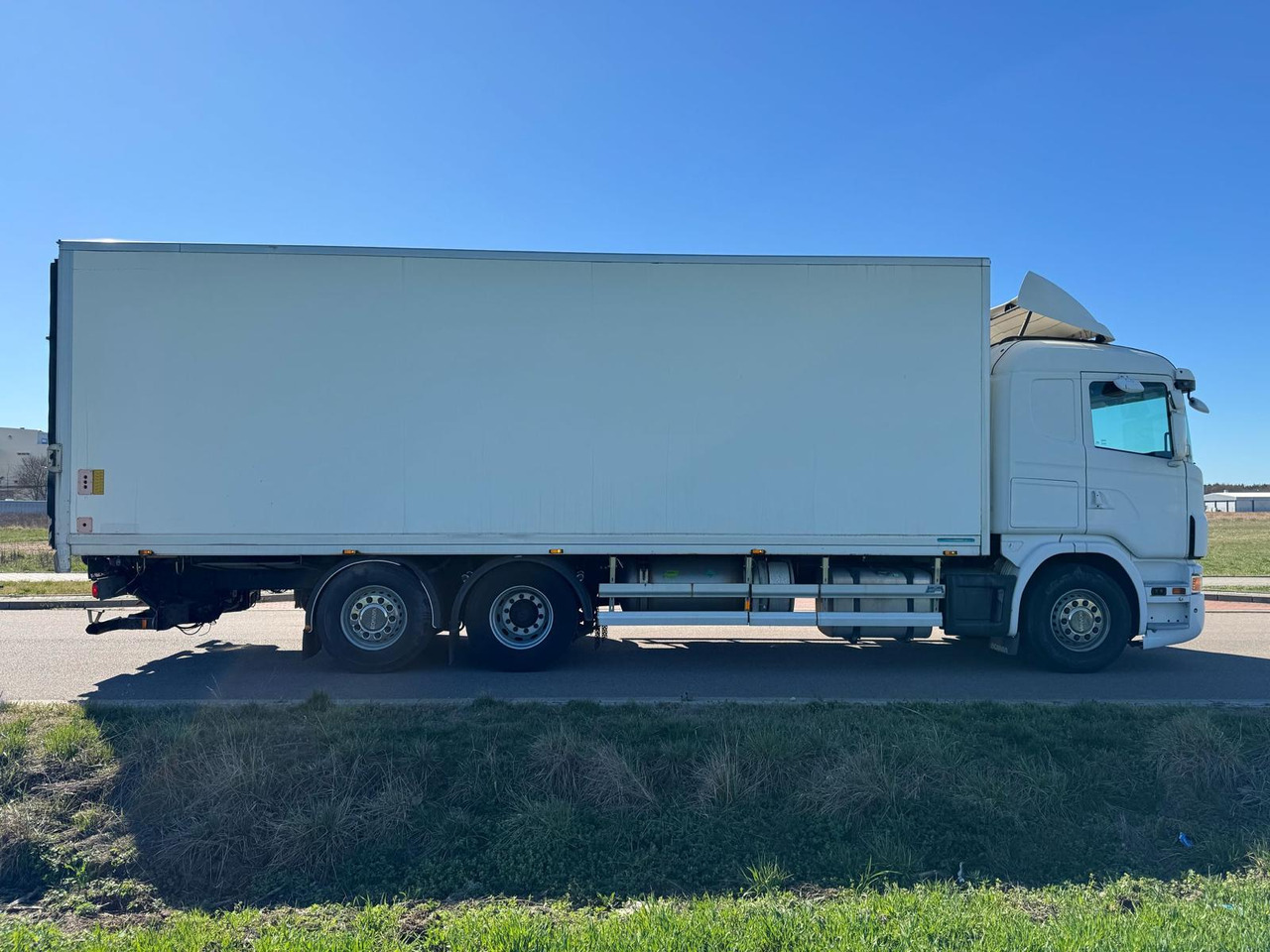
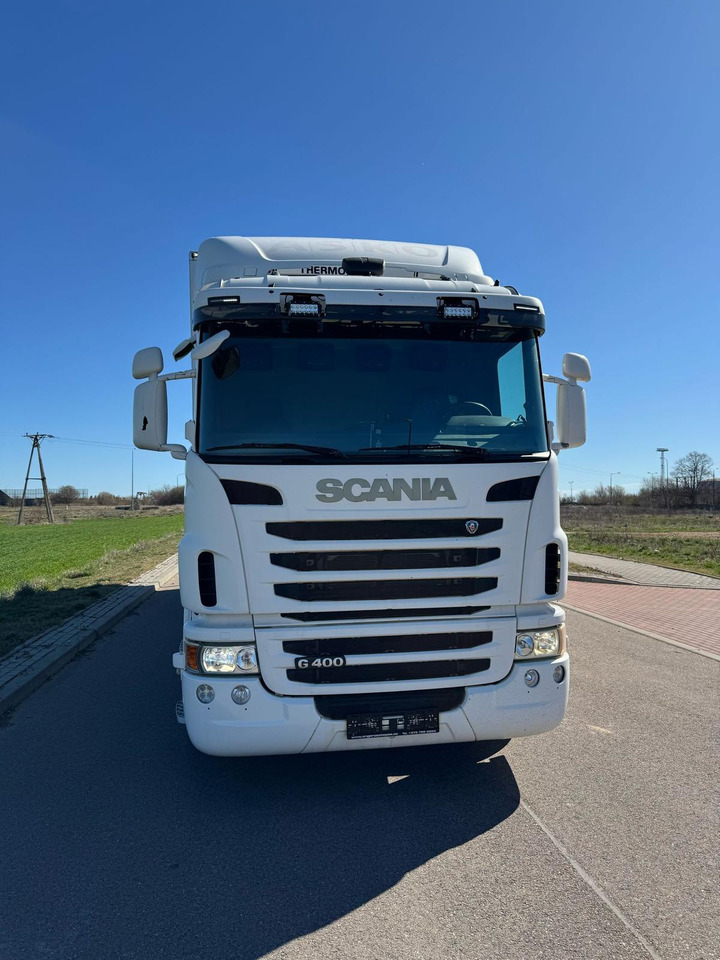

SCANIA G400
20 000EUR
Price excl. VAT
- ≈ 2 234 420 INR
- ≈ 23 351 USD


Renault Premium 280 Kontener Winda
4 400EUR
Price excl. VAT
- ≈ 491 572 INR
- ≈ 5 137 USD


Mercedes-Benz Antos 2532 6X2 Thermo King T-1000R D+E 2T LBW Stuuras NL Truck
19 900EUR
Price excl. VAT
- ≈ 2 223 247 INR
- ≈ 23 234 USD


MERCEDES-BENZ ATEGO 1524 / IZOTERMA / 19 EUROPALET / SYPIALKA / EURO 6 / 7 670 KG ŁADOWNOŚCI / 2019
36 800EUR
Price excl. VAT
- ≈ 4 111 332 INR
- ≈ 42 966 USD


Mercedes-Benz ATEGO 1329
21 900EUR
Price excl. VAT
- ≈ 2 446 689 INR
- ≈ 25 569 USD
Isothermal trucks Market Snapshot
Top manufacturers
DAF, MAN, MERCEDES-BENZ, SCANIA, VOLVO
Main locations to buy
Poland (Offers: 11), Netherlands (Offers: 8), Lithuania (Offers: 7), Germany (Offers: 1), Portugal (Offers: 1)
Technical specifications
| Payload, kg | 12–14 744 |
| Gross weight, kg | 28–28 000 |
| Power output, hp | 237–540 |
| Price, EUR | 4 400–82 400 |
| Year | 2007–2022 |
| Mileage km | 173 463–1 631 272 |
| Registration year | 2008–2022 |
Isothermal trucks represent a specialized category of temperature-controlled commercial vehicles designed to maintain stable cargo temperatures through advanced insulation systems without active refrigeration mechanisms. These vehicles utilize superior thermal barrier construction to preserve product temperatures during transportation, making them ideal for applications where temperature maintenance rather than active cooling is the primary requirement. Isothermal truck operations serve diverse markets including bakery distribution, pharmaceutical transport, and food service delivery where products must remain within specific temperature ranges but do not require mechanical refrigeration. The isothermal transport market encompasses configurations ranging from small urban delivery units to large distribution vehicles capable of maintaining temperature stability for extended periods. Modern isothermal trucks integrate sophisticated insulation materials, thermal monitoring systems, and specialized cargo compartment designs that maximize temperature retention while ensuring operational efficiency. Companies evaluating isothermal truck options must consider thermal performance requirements, cargo characteristics, and operational duration factors that significantly impact vehicle specifications and temperature maintenance capabilities. Isotherm truck technology focuses on passive temperature control through exceptional insulation performance, eliminating the complexity, maintenance requirements, and operational costs associated with mechanical refrigeration systems while providing reliable temperature stability for appropriate cargo types.
Thermal Insulation Technology and Construction Methods
Isothermal truck construction utilizes advanced insulation materials designed to minimize heat transfer and maintain stable cargo temperatures through passive thermal management. High-performance polyurethane foam represents the primary insulation medium, featuring thermal conductivity values of 0.020-0.024 W/mK and applied in thicknesses ranging from 80 to 200mm depending on temperature maintenance requirements. Advanced foam formulations incorporate closed-cell structures, enhanced density characteristics, and specialized additives that improve thermal performance while maintaining structural integrity throughout the vehicle's operational life.
Vacuum insulation panel technology provides superior thermal performance in space-constrained applications, offering thermal conductivity values as low as 0.004 W/mK while requiring minimal thickness. These panels feature evacuated cores surrounded by barrier films and protective casings that maintain vacuum integrity under transportation stresses. VIP technology enables exceptional thermal performance in premium isothermal applications where maximum cargo capacity and superior temperature retention are critical requirements.
Structural insulated panel construction integrates thermal insulation with structural elements to create seamless cargo compartments without thermal bridges that could compromise temperature stability. These panels typically feature aluminum or composite exterior skins, continuous insulation cores, and specialized joint systems that maintain thermal continuity throughout the cargo compartment. Panel construction enables precise thermal performance, simplified manufacturing, and consistent quality control compared to traditional insulation installation methods.
Aerogel insulation materials provide exceptional thermal performance with minimal weight penalties, particularly valuable for maximizing payload capacity while maintaining superior temperature control. Aerogel blankets and panels offer thermal conductivity values of 0.013-0.018 W/mK with significantly reduced weight compared to conventional insulation materials. These advanced materials command premium pricing but enable optimal thermal performance in weight-sensitive applications.
Reflective barrier systems complement primary insulation through radiant heat control, incorporating aluminum foil facings, reflective films, and air gap constructions that minimize radiant heat transfer. Multi-layer reflective systems create thermal barriers that significantly enhance overall insulation performance while adding minimal weight or thickness to cargo compartment construction.
Temperature Maintenance Performance and Thermal Calculations
Isothermal performance specifications define a vehicle's ability to maintain cargo temperatures within acceptable ranges over specified time periods under standardized testing conditions. ATP (Agreement on the International Carriage of Perishable Foodstuffs) classifications establish performance standards including Class A (insulated vehicles maintaining temperature rise ≤7°C over 12 hours) and enhanced classes with superior performance characteristics. These standardized classifications enable objective comparison of isothermal vehicle performance across manufacturers and applications.
Thermal load calculations determine isothermal truck performance by analyzing heat transfer through insulation, air infiltration, solar gain, and cargo heat generation. Engineering calculations consider ambient temperature conditions, cargo temperature requirements, journey duration, and loading frequency to specify appropriate insulation levels and construction methods. Advanced thermal modeling utilizes finite element analysis to optimize insulation placement and minimize thermal bridging effects.
Temperature stability testing validates isothermal performance through controlled testing protocols that measure temperature changes over time under various loading conditions. Standard testing procedures specify ambient temperature conditions, cargo loading patterns, and measurement protocols that enable accurate performance verification. Testing results establish performance certifications required for regulatory compliance and customer acceptance in temperature-sensitive applications.
Thermal mass effects influence isothermal performance through cargo heat capacity, packaging materials, and internal thermal storage that moderate temperature changes during transportation. Products with high thermal mass provide inherent temperature stability that complements isothermal vehicle performance, while low thermal mass cargo requires superior insulation performance to maintain temperature stability. Understanding thermal mass interactions enables optimization of isothermal vehicle specifications for specific cargo types.
Performance degradation factors include insulation aging, joint deterioration, air infiltration increases, and structural changes that reduce thermal performance over time. Regular performance monitoring, insulation condition assessment, and preventive maintenance programs maintain isothermal effectiveness throughout vehicle service life. Performance verification testing may be required periodically to ensure continued compliance with thermal performance standards.
Specialized Applications and Market Segments
Bakery and food service distribution represents a primary market segment for isothermal trucks, transporting fresh bread, pastries, and prepared foods that require temperature stability without active refrigeration. These applications benefit from isothermal construction that maintains product freshness while avoiding condensation and moisture issues associated with mechanical refrigeration. Bakery operations typically require temperature maintenance between 15-25°C for periods of 4-8 hours during distribution routes.
Pharmaceutical distribution utilizes isothermal trucks for temperature-sensitive medications and medical supplies that require stable temperatures but do not need active cooling. These applications demand precise temperature control, comprehensive monitoring, and validated thermal performance that meets Good Distribution Practice standards. Pharmaceutical isothermal transport often incorporates additional thermal mass, enhanced insulation, and specialized monitoring systems that ensure product integrity throughout transportation.
Beverage distribution employs isothermal trucks for wine transport, craft beer delivery, and specialty beverage distribution where temperature stability prevents product degradation without requiring refrigeration energy costs. These applications benefit from isothermal construction that maintains consistent temperatures while eliminating mechanical complexity and operational costs associated with refrigeration systems.
Agricultural produce transport utilizes isothermal vehicles for products requiring temperature stability during short-haul distribution, particularly for items sensitive to temperature fluctuations but not requiring active cooling. These applications include greenhouse products, flowers, and specialty produce where temperature maintenance preserves quality during transportation to retail locations.
Industrial applications encompass chemical transport, electronic component distribution, and specialized materials handling where temperature stability prevents product degradation or performance issues. Industrial isothermal transport often requires custom specifications, enhanced monitoring capabilities, and specialized handling procedures that address unique cargo characteristics and regulatory requirements.
Comparative Analysis with Refrigerated Transport
Cost comparison analysis reveals significant operational advantages for isothermal trucks in appropriate applications, with acquisition costs typically 20-30% lower than equivalent refrigerated vehicles due to eliminated refrigeration equipment. Operating cost advantages include eliminated fuel consumption for refrigeration, reduced maintenance complexity, and simplified operational procedures that reduce training requirements and operational complexity.
Energy efficiency benefits of isothermal transport eliminate continuous fuel consumption for refrigeration systems, reducing overall fuel costs by 10-15% compared to refrigerated operations. Environmental benefits include reduced emissions, eliminated refrigerant usage, and simplified end-of-life disposal without complex refrigeration system components. These advantages make isothermal transport attractive for environmentally conscious operations and cost-sensitive applications.
Operational simplicity advantages include eliminated refrigeration system maintenance, reduced breakdown risks, and simplified operator training requirements compared to refrigerated transport. Isothermal vehicles provide reliable temperature maintenance without mechanical complexity, reducing operational risks and maintenance costs throughout vehicle service life.
Application limitations of isothermal transport include inability to actively cool cargo, limited temperature range control, and reduced effectiveness for long-duration transport or extreme ambient conditions. These limitations require careful application analysis to ensure isothermal vehicles meet specific operational requirements without compromising cargo quality or regulatory compliance.
Performance trade-offs include cargo capacity optimization through eliminated refrigeration equipment versus temperature control limitations compared to active refrigeration systems. Successful isothermal applications require matching vehicle capabilities with cargo characteristics and operational requirements to achieve optimal performance and cost-effectiveness.
Economic Benefits and Total Cost Analysis
Acquisition cost advantages for isothermal trucks typically range from ₹8-15 lakhs lower than equivalent refrigerated vehicles, reflecting eliminated refrigeration equipment, reduced electrical complexity, and simplified construction requirements. These cost savings enable faster return on investment and improved cash flow for operations where isothermal performance meets cargo requirements without active refrigeration necessity.
Operating cost analysis reveals substantial savings through eliminated fuel consumption for refrigeration systems, typically reducing daily fuel costs by ₹300-800 depending on operational patterns and refrigeration requirements. Annual fuel savings can exceed ₹50,000-150,000 for high-utilization operations, significantly impacting total cost of ownership calculations and operational profitability.
Maintenance cost reductions include eliminated refrigeration system servicing, reduced electrical complexity, and simplified operational procedures that reduce maintenance frequency and costs. Annual maintenance savings typically range from ₹25,000-75,000 compared to refrigerated operations, reflecting eliminated refrigeration components, simplified systems, and reduced breakdown risks.
Insurance cost advantages result from reduced equipment complexity, lower replacement costs, and eliminated refrigeration-specific risks that reduce premium calculations. Insurance savings typically range from 15-25% compared to refrigerated vehicle coverage, reflecting reduced equipment values and simplified risk profiles for isothermal operations.
Revenue optimization opportunities include improved payload capacity through eliminated refrigeration weight, operational flexibility through simplified systems, and expanded market access through lower operational costs. These advantages enable competitive pricing, improved service offerings, and enhanced profitability in appropriate market segments where isothermal performance meets customer requirements.
Performance Monitoring and Quality Assurance
Temperature monitoring systems for isothermal trucks utilize precision sensors, data logging capabilities, and real-time monitoring platforms that document temperature maintenance performance throughout transportation operations. These systems provide verification of thermal performance, regulatory compliance documentation, and operational optimization data that ensure cargo quality and customer satisfaction.
Data logging requirements for isothermal transport vary by cargo type and regulatory requirements, typically featuring measurement intervals of 5-15 minutes with comprehensive documentation of temperature trends, ambient conditions, and operational events. High-resolution data logging enables performance analysis, quality assurance verification, and continuous improvement of isothermal operations.
Performance verification protocols establish testing procedures for validating isothermal truck thermal performance under operational conditions. These protocols typically include loaded testing, ambient condition variations, and duration testing that verify compliance with specified performance standards. Regular performance verification ensures continued effectiveness and regulatory compliance throughout vehicle service life.
Quality management systems integrate temperature monitoring, performance verification, and operational procedures to ensure consistent isothermal transport quality. These systems encompass equipment qualification, operational procedures, training programs, and continuous monitoring that maintain cargo quality and customer satisfaction throughout isothermal transport operations.
Continuous improvement programs utilize performance data, customer feedback, and operational analysis to optimize isothermal truck specifications and operational procedures. These programs identify performance enhancement opportunities, cost reduction possibilities, and service improvement initiatives that maximize isothermal transport effectiveness and competitiveness.
What is the difference between isothermal and refrigerated trucks?
Isothermal trucks maintain stable temperatures through superior insulation without active refrigeration, while refrigerated trucks actively cool cargo using mechanical systems. Isothermal vehicles cost 20-30% less, eliminate fuel consumption for cooling, and require minimal maintenance but cannot actively cool products. They're ideal for maintaining existing temperatures rather than cooling cargo, suitable for bakery goods, pharmaceuticals, and short-haul distribution.
How long can isothermal trucks maintain temperature without refrigeration?
Isothermal truck temperature maintenance duration depends on insulation quality, cargo thermal mass, and ambient conditions. ATP Class A vehicles maintain temperature rise ≤7°C over 12 hours under standard conditions. High-performance isothermal trucks can maintain stable temperatures for 8-24 hours depending on specifications, cargo characteristics, and external temperature conditions. Performance decreases with extreme ambient temperatures or frequent door openings.
What types of cargo are best suited for isothermal transport?
Isothermal trucks excel for bakery products, pharmaceuticals at ambient temperature, beverages, flowers, and products requiring temperature stability without active cooling. Ideal cargo includes items with stable temperature requirements (15-25°C), high thermal mass, and short-to-medium transport durations. Products that generate heat or require sub-zero temperatures are better suited for refrigerated transport.
How much can I save by choosing isothermal over refrigerated trucks?
Isothermal trucks typically cost ₹8-15 lakhs less than refrigerated equivalents, with annual fuel savings of ₹50,000-150,000 through eliminated refrigeration energy consumption. Maintenance costs reduce by ₹25,000-75,000 annually due to simplified systems. Insurance premiums decrease 15-25% due to reduced equipment complexity. Total cost savings over 5 years can exceed ₹3-8 lakhs for high-utilization operations.
What insulation materials provide the best thermal performance?
Vacuum insulation panels offer superior performance (0.004 W/mK thermal conductivity) but at premium cost. High-performance polyurethane foam (0.020-0.024 W/mK) provides excellent cost-effectiveness for most applications. Aerogel materials offer exceptional performance with minimal weight but command premium pricing. Reflective barriers complement primary insulation for enhanced radiant heat control. Material selection depends on performance requirements and budget considerations.
Are there regulatory requirements for isothermal truck performance?
ATP (Agreement on International Carriage of Perishable Foodstuffs) establishes performance classifications for isothermal vehicles, with Class A requiring temperature rise ≤7°C over 12 hours. Food transport may require HACCP compliance and temperature monitoring. Pharmaceutical applications need Good Distribution Practice compliance with validated thermal performance. Regular performance testing and certification may be required depending on cargo types and jurisdictions.
How do I determine if isothermal transport meets my cargo requirements?
Evaluate cargo temperature sensitivity, transport duration, ambient conditions, and loading frequency. Isothermal transport suits cargo requiring temperature stability (not active cooling), journeys under 12-24 hours, moderate ambient conditions, and minimal door openings. Consider thermal mass of cargo, packaging insulation, and acceptable temperature ranges. Consult thermal performance data and consider pilot testing for critical applications.
What maintenance is required for isothermal truck insulation systems?
Isothermal maintenance includes regular insulation condition inspection, door seal verification, and thermal performance monitoring. Check for insulation damage, moisture intrusion, and joint deterioration annually. Door seals require replacement every 2-3 years depending on usage. Periodic thermal performance testing verifies continued effectiveness. Maintenance is significantly simpler than refrigerated systems with no mechanical components requiring service.
Can isothermal trucks be converted to refrigerated vehicles?
Isothermal trucks can potentially be converted to refrigerated vehicles by adding mechanical refrigeration systems, but conversion costs often approach new refrigerated vehicle prices. Existing insulation may need upgrading, electrical systems require modification, and structural reinforcement may be necessary. Consider conversion economics versus new vehicle acquisition, particularly regarding warranty coverage and performance optimization.
How do ambient temperature conditions affect isothermal performance?
Isothermal performance decreases as temperature differential between cargo and ambient increases. Extreme hot or cold ambient conditions reduce temperature maintenance duration significantly. Performance is optimal when ambient temperatures are within 10-15°C of cargo temperature requirements. Consider seasonal variations, geographic factors, and route planning when evaluating isothermal suitability for specific applications and operating environments.