
Refrigerator trucks


IVECO Daily 50C16 H1 RWD DL
37 950EUR
Price excl. VAT
- ≈ 4 231 235 INR
- ≈ 44 308 USD


Mercedes-Benz Atego 1223 Kühlkoffer 8,10m 2 Kammer Motorschade
10 500EUR
Price excl. VAT
- ≈ 1 170 697 INR
- ≈ 12 259 USD


Mercedes-Benz Antos 1833 (Fridge) - LHD (TR3)
15 490EUR
Price excl. VAT
- ≈ 1 727 057 INR
- ≈ 18 085 USD


Mercedes-Benz Atego 1524
23 000EUR
- ≈ 2 564 385 INR
- ≈ 26 853 USD


Mercedes-Benz Axor 1829
11 500EUR
- ≈ 1 282 192 INR
- ≈ 13 426 USD
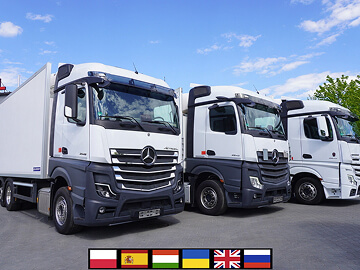
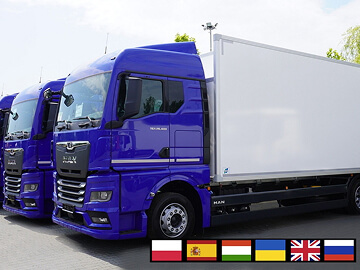
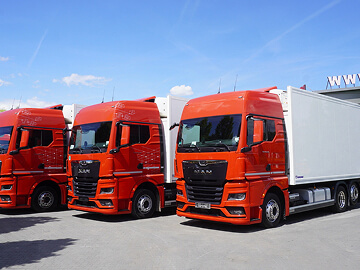
Wide Selection of Refrigerated Trucks


Scania R 380 / E 5 / CHŁODNIA + WINDA / 23 PALET / OŚ SKRĘTNA
19 600EUR
Price excl. VAT
- ≈ 2 185 302 INR
- ≈ 22 883 USD


MAN TGX 26.510 6×2-4 / Krone 19 EPAL refrigerator / Doppelstock / Ca
106 000EUR
Price excl. VAT
- ≈ 11 818 470 INR
- ≈ 123 759 USD


MAN 18.320 TGM
27 900EUR
Price excl. VAT
- ≈ 3 110 710 INR
- ≈ 32 574 USD


IVECO DAILY 70C17 REFRIGERATOR 1*C LIFT 9 PALLETS POWER SUPPLY 230V CRUISE CONTROL AIR CONDITIONING PNEUMATICS AUTOMATIC TRANSMISSION HI-MATIC TWIN WHEELS 170HP
23 590EUR
Price excl. VAT
- ≈ 2 630 167 INR
- ≈ 27 542 USD
4 million buyers per month search for vehicles and machinery on Truck1.



IVECO DAILY 72C18 REGRIGERATOR BOX -10*C LIFT 9 PALLETS POWER SUPPLY 230V CRUISE CONTROL NAVIGATION PNEUMATICS AUTOMATIC TRANSMISSION HI-MATIC TWIN WHEELS AIR CONDITIONING 180HP
34 990EUR
Price excl. VAT
- ≈ 3 901 210 INR
- ≈ 40 852 USD


Daf LF 230


DAF LF 230


Daf LF 230


Scania R410B6X2*4NB
2 722EUR
- ≈ 303 489 INR
- ≈ 3 178 USD


Mercedes-Benz Atego Kylbil


MAN TGL 12.250 4X2 BL, Tiefkühlkoffer, TK-1000 R,
19 900EUR
Price excl. VAT
- ≈ 2 218 750 INR
- ≈ 23 234 USD

DAF LF55 250+CHEREAU+THERMO KING+DHOLLANDIA 1.5T
17 450EUR
- ≈ 1 945 587 INR
- ≈ 20 373 USD


VOLVO FE320 Kühlkoffer mit Ladebordwand TOP TK T1200R
19 950,42EUR
Price excl. VAT
- ≈ 2 224 325,25 INR
- ≈ 23 292,42 USD


Scania R410 6X2 Frigoblock RE11-2 FRC 2000kg Tailgate Lift Axle Full Air Retarder Euro 6
19 900EUR
Price excl. VAT
- ≈ 2 218 750 INR
- ≈ 23 234 USD


Scania R410 6X2 Combi Frigoblock RE11-2 FRC 2000kg Tailgate Lift Axle Full Air Retarder
24 500EUR
Price excl. VAT
- ≈ 2 731 627 INR
- ≈ 28 604 USD


Volvo FH 460 6X2 Combi LNG engine! Thermo King UT 1200 cooler Lift+steering axle VEB+ Euro 6
44 900EUR
Price excl. VAT
- ≈ 5 006 125 INR
- ≈ 52 422 USD
Refrigerator trucks Market Snapshot
Top manufacturers
Main locations to buy
Netherlands (Offers: 222), Hungary (Offers: 176), Germany (Offers: 154), Belgium (Offers: 117), Poland (Offers: 102)
Technical specifications
| Payload, kg | 1 727–15 664 |
| Gross weight, kg | 7 490–28 356 |
| Power output, hp | 160–525 |
| Price, EUR | 6 269–98 642 |
| Year | 2005–2024 |
| Mileage km | 55 930–1 164 560 |
| Registration year | 2005–2023 |
Refrigerated trucks, commonly known as reefer trucks, represent a critical category of commercial vehicles engineered specifically for temperature-controlled transportation of perishable goods including food products, pharmaceuticals, and temperature-sensitive materials. These specialized vehicles feature insulated cargo compartments equipped with sophisticated refrigeration systems that maintain precise temperature ranges throughout the transportation process. Refrigerated truck operations form an essential component of cold chain logistics, connecting producers with distributors, retailers, and consumers while preserving product quality and safety. The reefer truck market encompasses diverse configurations ranging from small urban delivery units to large long-haul transporters capable of maintaining multiple temperature zones simultaneously. Modern refrigerated trucks integrate advanced monitoring systems, automated temperature control, and real-time data logging capabilities that ensure regulatory compliance and product integrity. Companies evaluating refrigerated truck price options must consider cargo capacity requirements, temperature range specifications, and operational efficiency factors that significantly impact vehicle selection and total cost of ownership. Truck refrigerator systems utilize various technologies including mechanical refrigeration, cryogenic cooling, and eutectic plate systems, each offering distinct advantages for specific applications. Understanding the technical specifications, operational requirements, and economic considerations is essential when selecting refrigerated trucks that deliver reliable cold chain performance while maximizing return on investment.
Refrigeration System Technologies and Temperature Control
Mechanical refrigeration systems represent the most common technology utilized in refrigerated trucks, employing vapor compression cycles similar to commercial air conditioning systems but engineered for mobile applications and continuous operation. These systems typically utilize R-404A or R-452A refrigerants and feature compressors driven by dedicated diesel engines or electric motors powered through the vehicle's electrical system. Mechanical refrigeration units can maintain temperatures ranging from -30°C to +15°C with precise control within ±0.5°C, making them suitable for diverse cargo requirements from frozen foods to pharmaceuticals.
Multi-temperature refrigeration systems enable simultaneous transport of products requiring different temperature zones within a single cargo compartment. These sophisticated systems feature multiple evaporator circuits, zone-specific controls, and partitioned cargo areas that maintain independent temperature ranges. Advanced multi-temp units can accommodate up to four distinct temperature zones, enabling mixed-load operations that maximize cargo efficiency and revenue potential per trip.
Cryogenic refrigeration systems utilize liquid nitrogen or carbon dioxide to provide extremely low temperatures for frozen cargo transport, particularly effective for long-haul operations where mechanical systems might struggle with continuous operation demands. These systems offer rapid pull-down capabilities, excellent temperature stability, and reduced mechanical complexity but require specialized infrastructure for cryogenic gas supply and higher operating costs for consumable refrigerants.
Eutectic plate systems store thermal energy in phase-change materials that provide cooling capacity without continuous compressor operation, making them ideal for multi-stop delivery routes where frequent door openings would challenge conventional refrigeration systems. These systems pre-freeze eutectic plates during stationary periods, then release stored cooling capacity during transportation and delivery operations. Eutectic systems offer excellent temperature stability and reduced fuel consumption but have limited cooling capacity and require overnight charging cycles.
Hybrid refrigeration systems combine multiple technologies to optimize performance and efficiency across various operational scenarios. These systems might integrate mechanical refrigeration with eutectic backup, cryogenic boost cooling, or battery-powered electric refrigeration for urban zero-emission delivery requirements. Hybrid systems provide operational flexibility and redundancy while optimizing energy consumption and environmental impact.
Insulation Systems and Cargo Compartment Design
Insulation performance represents a critical factor determining refrigerated truck efficiency, with cargo compartment construction utilizing high-performance materials designed to minimize heat transfer while maintaining structural integrity. Polyurethane foam insulation with thermal conductivity values of 0.022-0.026 W/mK provides superior insulating properties, typically applied in 75-150mm thicknesses depending on temperature requirements. Advanced foam formulations incorporate vacuum insulation panels or aerogel additives that further enhance thermal performance.
Structural insulated panel construction integrates insulation with structural elements to create seamless cargo compartments without thermal bridges that could compromise temperature control. These panels typically feature aluminum or fiberglass exterior skins, polyurethane foam cores, and specialized joint systems that maintain continuous insulation barriers. Panel construction enables modular manufacturing, simplified repairs, and consistent thermal performance throughout the cargo compartment.
Door systems represent critical thermal control points requiring specialized designs that maintain insulation integrity while providing operational access. Refrigerated truck doors typically feature multiple sealing systems, magnetic closures, and insulated construction matching cargo compartment thermal properties. Advanced door systems incorporate heated frames to prevent ice formation, viewing windows for cargo inspection, and hydraulic or pneumatic assistance for heavy insulated door operation.
Air circulation systems ensure uniform temperature distribution throughout cargo compartments through strategically positioned fans, ductwork, and air return paths. Proper airflow prevents hot spots, reduces temperature variations, and maintains consistent conditions regardless of cargo loading patterns. Advanced circulation systems feature variable speed fans, temperature-responsive controls, and optimized airflow patterns that minimize energy consumption while ensuring adequate air movement.
Drainage systems manage condensation and cleaning water through sloped floors, drain channels, and moisture removal mechanisms that prevent water accumulation and maintain sanitary conditions. Proper drainage design prevents ice formation, reduces corrosion, and facilitates thorough cleaning between loads. Advanced drainage systems incorporate heated elements, antimicrobial treatments, and automated cleaning capabilities that support food safety compliance.
Monitoring and Control Systems
Temperature monitoring systems provide continuous measurement and recording of cargo compartment conditions using precision sensors, data loggers, and real-time display systems. These systems typically feature multiple sensors positioned throughout cargo areas, wireless connectivity for remote monitoring, and automated alerting capabilities when temperature excursions occur. Advanced monitoring systems integrate with telematics platforms to provide real-time visibility into cold chain performance throughout transportation operations.
Data logging capabilities document temperature history, door opening events, and system performance parameters required for regulatory compliance and quality assurance documentation. High-resolution data logging captures temperature readings every 1-15 minutes depending on regulatory requirements, creating comprehensive records that demonstrate cold chain maintenance throughout transportation. These records are essential for food safety compliance, pharmaceutical validation, and cargo insurance claims.
Automated control systems optimize refrigeration performance through intelligent temperature management, defrost cycling, and energy conservation algorithms that maintain cargo conditions while minimizing fuel consumption. These systems continuously adjust compressor operation, fan speeds, and defrost timing based on cargo temperatures, ambient conditions, and operational patterns. Machine learning algorithms increasingly optimize performance by analyzing historical data and predicting optimal control strategies.
Remote monitoring capabilities enable fleet managers and customers to track cargo conditions in real-time through web-based platforms, mobile applications, and automated reporting systems. These platforms provide temperature alerts, location tracking, and performance analytics that enhance operational visibility and customer service capabilities. Integration with enterprise resource planning systems enables automated documentation and exception reporting.
Alarm systems provide immediate notification of temperature excursions, equipment failures, or door ajar conditions through audible alarms, visual indicators, and electronic communications. Multi-level alarm systems differentiate between minor variations and critical failures, enabling appropriate response prioritization. Advanced alarm systems integrate with fleet management platforms to automatically notify dispatch centers and maintenance personnel when intervention is required.
Applications and Market Segments
Food distribution represents the largest market segment for refrigerated trucks, encompassing fresh produce transport, dairy distribution, meat and poultry logistics, and frozen food delivery. These applications require precise temperature control, regulatory compliance with food safety standards, and operational flexibility to accommodate diverse product requirements. Food distribution operations typically utilize multi-temperature systems, advanced monitoring capabilities, and rapid door cycling designs that maintain product quality throughout complex delivery routes.
Pharmaceutical transportation demands the highest levels of temperature precision, documentation, and security due to product values often exceeding millions of dollars per shipment. Pharmaceutical cold chain operations require validated temperature ranges, continuous monitoring, backup systems, and comprehensive documentation meeting Good Distribution Practice standards. These applications often utilize dual refrigeration systems, enhanced security features, and specialized validation protocols that justify premium equipment specifications.
Fresh produce logistics serves agricultural markets requiring rapid cooling, humidity control, and ethylene management to maintain product quality during transportation from farms to processing facilities and retail distribution centers. Produce transport operations often require specialized atmosphere control, rapid temperature pull-down capabilities, and flexible compartment configurations that accommodate seasonal volume variations and diverse product mixes.
Frozen food distribution requires consistent sub-zero temperatures, minimal temperature fluctuations, and efficient loading/unloading procedures that maintain product integrity throughout multi-stop delivery routes. These operations typically utilize mechanical refrigeration systems, enhanced insulation, and specialized handling equipment designed for frozen cargo requirements. Energy efficiency and reliability are critical factors due to continuous refrigeration demands and high-value cargo protection requirements.
Specialty applications include blood transport, organ transplant logistics, chemical transport, and research specimen delivery requiring extreme temperature precision and specialized handling procedures. These niche markets command premium pricing but require highly specialized equipment, extensive validation, and regulatory compliance that exceeds standard food transport requirements.
Economic Analysis and Total Cost of Ownership
Refrigerated truck price structures reflect the specialized nature of cold chain equipment, with acquisition costs typically 40-80% higher than equivalent dry freight vehicles. Basic refrigerated trucks with mechanical refrigeration systems range from ₹30-50 lakhs for smaller units, while large multi-temperature pharmaceutical transport vehicles can exceed ₹1.2 crores. The substantial price premium reflects specialized refrigeration equipment, enhanced insulation, monitoring systems, and regulatory compliance features essential for cold chain operations.
Operating cost analysis reveals refrigeration-specific expenses including fuel consumption for refrigeration units, maintenance of complex mechanical systems, and higher insurance premiums due to cargo values and spoilage risks. Refrigeration units typically consume 2-5 liters of fuel per hour during operation, adding ₹200-500 per day to operating costs depending on system size and operational requirements. Total fuel consumption often increases 15-25% compared to dry freight operations due to refrigeration energy requirements.
Maintenance costs represent significant operational expenses due to complex refrigeration systems, specialized components, and demanding operating conditions. Annual maintenance expenses typically range from 12-18% of initial purchase price, including refrigeration system servicing, insulation repairs, and monitoring system calibration. Refrigeration system maintenance requires specialized technicians, genuine parts, and sophisticated diagnostic equipment that increase service costs compared to conventional truck maintenance.
Revenue potential varies significantly based on market segment, service quality, and operational efficiency. Premium pharmaceutical transport can generate ₹50-150 per kilometer depending on cargo value and service requirements, while general food distribution typically ranges ₹25-60 per kilometer. Temperature-controlled logistics commands premium pricing compared to dry freight, but higher operating costs and specialized requirements impact profit margins requiring careful operational optimization.
Depreciation rates for refrigerated trucks typically exceed conventional vehicles due to complex systems, technology obsolescence, and regulatory changes affecting equipment specifications. Residual values after five years range from 25-40% of original purchase price depending on maintenance quality, technology currency, and market demand for used refrigerated vehicles. Proper maintenance and technology upgrades can significantly impact resale values and total cost of ownership calculations.
Regulatory Compliance and Food Safety Standards
Food safety regulations establish comprehensive frameworks governing refrigerated transport including temperature requirements, documentation standards, and equipment specifications designed to ensure product safety throughout the cold chain. These regulations specify maximum temperature limits, monitoring requirements, and validation procedures that significantly impact equipment selection and operational procedures. Compliance with Hazard Analysis and Critical Control Points principles requires systematic temperature monitoring, corrective action procedures, and comprehensive documentation throughout transport operations.
Good Distribution Practice standards for pharmaceutical transport mandate validated temperature ranges, continuous monitoring, qualified equipment, and trained personnel to ensure product efficacy and patient safety. These standards require equipment qualification, operational qualification, and performance qualification protocols that validate refrigerated truck performance under various operating conditions. Documentation requirements include temperature logs, calibration certificates, and deviation investigations that demonstrate compliance with regulatory standards.
International transport regulations require compliance with destination country standards, import documentation, and border inspection protocols that may necessitate specialized equipment features or operational procedures. Mutual recognition agreements between countries can streamline regulatory compliance, while conflicting standards may require dual-certified equipment or complex documentation procedures. Cross-border pharmaceutical transport often requires real-time monitoring, customs documentation, and specialized handling procedures.
Equipment certification standards require periodic validation of refrigeration performance, monitoring system accuracy, and insulation effectiveness to maintain regulatory compliance. Calibration programs typically require annual verification of temperature sensors, data logging systems, and control mechanisms using traceable standards. These certification requirements necessitate specialized service providers and documentation systems that add complexity and cost to refrigerated truck operations.
Driver training requirements mandate specialized education covering temperature-sensitive cargo handling, cold chain principles, emergency procedures, and regulatory compliance documentation. Training programs address product-specific requirements, equipment operation, and quality assurance procedures that ensure proper cargo handling throughout transportation. Continuing education requirements maintain driver competency while addressing evolving regulations and technology developments.
What factors determine refrigerated truck prices in the current market?
Refrigerated truck prices vary based on cargo capacity, refrigeration technology, temperature range capability, and monitoring systems. Basic units range ₹30-50 lakhs, while advanced multi-temperature pharmaceutical transporters exceed ₹1.2 crores. Factors include insulation quality, refrigeration system type, multi-zone capability, and specialized features like backup systems and advanced monitoring that significantly impact pricing structures.
How do I choose between mechanical and alternative refrigeration systems?
Mechanical refrigeration offers versatility, precise control (-30°C to +15°C), and continuous operation suitable for most applications. Cryogenic systems provide rapid cooling and extreme temperatures but require specialized infrastructure. Eutectic systems excel for multi-stop deliveries with excellent temperature stability. Consider operational patterns, temperature requirements, infrastructure availability, and operating costs when selecting refrigeration technology.
What temperature monitoring capabilities are required for food transport?
Food transport requires continuous temperature monitoring with data logging every 1-15 minutes, automated alerts for temperature excursions, and comprehensive documentation for regulatory compliance. Systems should feature multiple sensors, wireless connectivity, and real-time remote monitoring capabilities. HACCP compliance demands validated temperature ranges, corrective action procedures, and detailed record-keeping throughout transport operations.
Are there specific licensing requirements for refrigerated truck operations?
Refrigerated transport requires commercial driving licenses plus specialized training for cold chain operations. Food transport needs food safety certification and HACCP knowledge. Pharmaceutical transport requires Good Distribution Practice training and specialized handling procedures. Some jurisdictions mandate temperature-controlled cargo endorsements and periodic recertification for cold chain operations.
What maintenance is required for truck refrigeration systems?
Refrigeration maintenance includes regular system inspections, refrigerant level checks, compressor servicing, and filter replacement every 500-1,000 hours. Annual calibration of temperature sensors and monitoring systems ensures accuracy. Defrost system maintenance, insulation inspection, and door seal replacement prevent efficiency losses. Specialized technicians and genuine parts are essential for reliable operation.
How do fuel costs compare between refrigerated and dry freight trucks?
Refrigerated trucks consume 15-25% more fuel than dry freight due to refrigeration energy requirements. Refrigeration units consume 2-5 liters/hour during operation, adding ₹200-500 daily fuel costs. Total operating costs increase significantly, but temperature-controlled cargo commands premium pricing that typically offsets additional fuel expenses. Route optimization and efficient refrigeration management minimize fuel consumption.
What insurance considerations apply to refrigerated truck operations?
Refrigerated transport requires specialized insurance including cargo spoilage coverage, temperature excursion protection, and equipment breakdown insurance. Premiums typically exceed dry freight rates by 150-300% due to cargo values and spoilage risks. Coverage should include mechanical breakdown, power failure, and contamination risks. Claims history and temperature monitoring capabilities significantly impact premium rates.
Can refrigerated trucks transport different product types simultaneously?
Multi-temperature refrigerated trucks can transport different products simultaneously using zone-specific temperature controls and partitioned cargo areas. These systems accommodate up to four temperature zones ranging from frozen to ambient conditions. However, cross-contamination prevention, regulatory compliance, and operational complexity require careful planning and specialized equipment configurations.
What are the key differences between food and pharmaceutical cold chain requirements?
Pharmaceutical transport demands higher precision (±0.5°C), continuous monitoring, validated systems, and Good Distribution Practice compliance. Food transport focuses on HACCP compliance, product-specific temperatures, and shorter documentation retention. Pharmaceutical operations require backup systems, enhanced security, and specialized validation protocols that justify premium equipment specifications and higher operating costs.
How long do refrigerated trucks typically last in commercial service?
Well-maintained refrigerated trucks achieve 12-18 years of commercial service or 800,000-1,200,000 kilometers depending on usage intensity and maintenance quality. Refrigeration systems often require major overhauls at 8-12 year intervals, while insulation and cargo compartments may last longer. Technology obsolescence and regulatory changes may necessitate equipment upgrades before end of mechanical life, particularly for pharmaceutical applications.