


DAF CF 400


CAMION ESTANQUE ASTRAHD9 84.48 EST 30
127 768EUR
Price excl. VAT
- ≈ 13 871 132 INR
- ≈ 143 261 USD


DAF CF 75.250
11 500EUR
Price excl. VAT
- ≈ 1 248 497 INR
- ≈ 12 894 USD


Tanker gas tank
600EUR
Price excl. VAT
- ≈ 65 139 INR
- ≈ 672 USD
4 million buyers per month search for vehicles and machinery on Truck1.



MAN 19.364 F2000 14500 liter,manual feulpomp
13 750EUR
Price excl. VAT
- ≈ 1 492 768 INR
- ≈ 15 417 USD


Scania G 480 8x2*6 // HMK Bilcon 24.000 l. //ADR//Euro 5


Volvo FE 280 EURO 6, 11.000 L, 3 Comp.
26 900EUR
Price excl. VAT
- ≈ 2 920 398 INR
- ≈ 30 161 USD


Howo 371 8X4
19 203EUR
- ≈ 2 084 773 INR
- ≈ 21 531 USD



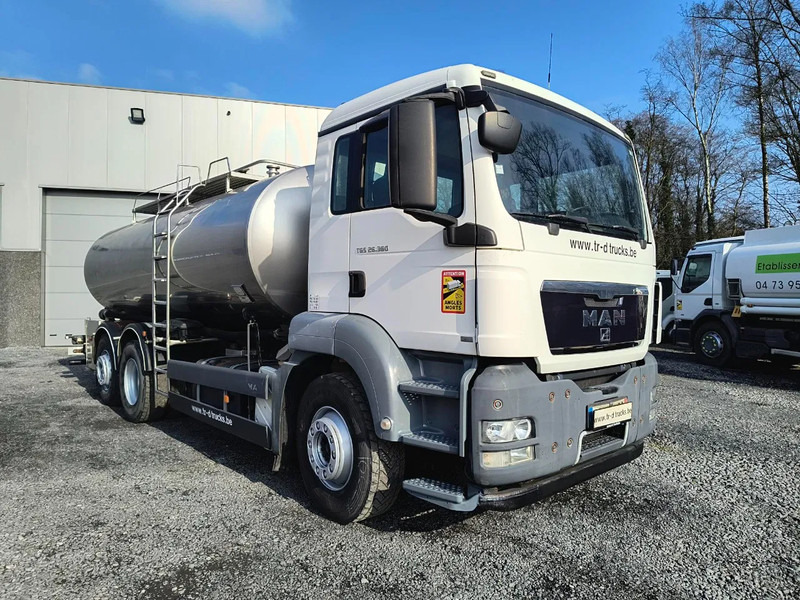


MAN TGS 26.360 15000L INSULATED INOX TANK - 1 COMP - INTARDER
29 950EUR
Price excl. VAT
- ≈ 3 251 521 INR
- ≈ 33 581 USD


Renault Premium 310 DXI 21000L FUEL/CARBURANT - 7 COMP (!) - INTARDER
32 500EUR
Price excl. VAT
- ≈ 3 528 362 INR
- ≈ 36 440 USD


Mercedes-Benz Actros 2536 15500L INSULATED INOX TANK - 1 COMP - PUMP
29 950EUR
Price excl. VAT
- ≈ 3 251 521 INR
- ≈ 33 581 USD


Renault Premium 310 DXI - CARBURANT / FUEL 13500L - 4 COMP
19 950EUR
Price excl. VAT
- ≈ 2 165 871 INR
- ≈ 22 369 USD


Renault Premium Lander 320 DXI - 11000L INSULATED INOX TANK - 2 COMP
24 500EUR
Price excl. VAT
- ≈ 2 659 842 INR
- ≈ 27 470 USD


Renault Premium 280 DXI 13500L FUEL/CARBURANT - 4 COMP
17 950EUR
Price excl. VAT
- ≈ 1 948 741 INR
- ≈ 20 126 USD


Scania R450 Tankwagen 14.300l Euro 6 4x2 AHK (7)
39 900EUR
Price excl. VAT
- ≈ 4 331 743 INR
- ≈ 44 738 USD


MAN TGS 26.470 Milchtankwagen Euro 6D 6x2 17000 l AHK (19)
59 900EUR
Price excl. VAT
- ≈ 6 503 043 INR
- ≈ 67 163 USD


Renault D18/280 GAZ
31 900EUR
Price excl. VAT
- ≈ 3 463 223 INR
- ≈ 35 768 USD


Renault D18/240 GAZ
31 900EUR
Price excl. VAT
- ≈ 3 463 223 INR
- ≈ 35 768 USD


SCANIA P320


SCANIA G450
Tank trucks Market Snapshot
Main locations to buy
Belgium (Offers: 239), Netherlands (Offers: 200), China (Offers: 160), Germany (Offers: 82), France (Offers: 52)
Technical specifications
| Payload, kg | 5 960–40 000 |
| Gross weight, kg | 9 887–32 117 |
| Power output, hp | 162–500 |
| Price, EUR | 6 522–107 350 |
| Year | 1991–2025 |
| Mileage km | 1 001–1 104 318 |
| Registration year | 1991–2023 |
Tank trucks represent a specialized category of commercial vehicles engineered for the safe transportation of liquid commodities including petroleum products, chemicals, water, and various industrial fluids. These purpose-built vehicles feature cylindrical or rectangular tank bodies mounted on robust chassis systems, incorporating advanced safety mechanisms and regulatory compliance features essential for hazardous material transport. Tank truck applications span multiple industries, from fuel distribution networks serving gas stations to chemical transportation supporting manufacturing operations. The tanker truck market encompasses diverse configurations, including fuel tanker trucks for petroleum distribution, water tankers for construction sites, and specialized chemical haulers for industrial applications. Modern tank trucks integrate sophisticated loading and unloading systems, temperature control mechanisms, and safety monitoring equipment to ensure operational efficiency and regulatory compliance. Companies seeking tank truck for sale options can choose from various capacity ranges, typically spanning 5,000 to 45,000 liters, with tanker truck prices varying significantly based on specifications, materials, and specialized features. Understanding the technical requirements and operational considerations is crucial when evaluating tanker vehicles that meet specific transportation needs while ensuring safety and regulatory compliance standards.
Tank Truck Classifications and Capacity Specifications
Tank trucks are categorized into multiple classifications based on cargo type, capacity, and construction materials. Fuel tanker trucks typically feature capacities ranging from 10,000 to 40,000 liters, with compartmentalized designs enabling simultaneous transport of different petroleum products. These units incorporate specialized pumping systems, vapor recovery equipment, and static electricity grounding mechanisms essential for safe fuel handling operations.
Water tank trucks serve construction, municipal, and emergency response applications with capacities ranging from 5,000 to 25,000 liters. These vehicles feature simpler construction compared to fuel tankers but incorporate high-capacity pumping systems and spray equipment for dust suppression, firefighting, and industrial cleaning applications. Tank lorry configurations in this category often include rear-mounted pumps and multiple discharge points for operational versatility.
Chemical tanker trucks require specialized construction materials including stainless steel, aluminum, or lined steel tanks to accommodate corrosive or reactive substances. These units feature pressure relief systems, temperature control equipment, and specialized loading/unloading mechanisms designed for specific chemical properties. Capacity ranges typically span 15,000 to 35,000 liters, with tank geometry optimized for product characteristics and transportation stability.
LPG gas tanker trucks incorporate pressurized cylindrical tanks designed for liquefied petroleum gas transport. These specialized units feature pressure vessels certified for high-pressure operations, emergency shut-off systems, and specialized coupling mechanisms for safe product transfer. Tank capacity typically ranges from 15,000 to 25,000 liters, with robust safety systems mandated by hazardous material regulations.
Pickup tanker variants offer smaller capacity solutions for localized distribution applications, typically featuring 3,000 to 8,000-liter capacities mounted on light commercial vehicle chassis. These units serve rural fuel distribution, equipment refueling, and small-scale industrial applications where full-size tanker trucks cannot operate effectively.
Technical Specifications and Engineering Features
Tank truck engineering encompasses multiple critical systems designed to ensure safe liquid transport while maximizing operational efficiency. Tank construction utilizes various materials including carbon steel, stainless steel, aluminum, and composite materials, each selected based on cargo compatibility and weight considerations. Wall thickness typically ranges from 3mm to 12mm depending on operating pressure, cargo characteristics, and regulatory requirements.
Chassis specifications must accommodate the significant weight distribution challenges associated with liquid cargo transport. Gross vehicle weights range from 16 tonnes for smaller water tankers to 49 tonnes for maximum capacity fuel haulers. Wheelbase configurations vary from 4.5 meters for rigid trucks to 15+ meters for articulated tanker combinations, with suspension systems specifically tuned for liquid cargo dynamics.
Pumping systems represent critical components enabling efficient product transfer operations. Fuel tanker trucks typically incorporate rotary vane pumps with flow rates ranging from 300 to 1,200 liters per minute, while water tankers feature centrifugal pumps capable of 2,000+ liters per minute flow rates. Power take-off systems provide hydraulic or mechanical power to operate pumping equipment independent of vehicle movement.
Safety systems integrate multiple protection mechanisms including pressure relief valves, emergency shut-off systems, static electricity grounding equipment, and vapor recovery systems. Advanced tanker trucks incorporate electronic monitoring systems that track tank pressure, temperature, and liquid levels while providing automated safety responses to abnormal conditions.
Compartmentalization features enable simultaneous transport of different products within a single tank body. Fuel tankers commonly feature 2-6 compartments with independent loading and unloading capabilities, maximizing delivery efficiency while preventing product contamination. Baffle systems within tank compartments minimize liquid surge effects that could impact vehicle stability during transportation.
Industrial Applications and Operational Environments
Petroleum distribution represents the largest application segment for tank trucks, with fuel tanker operations supplying gasoline, diesel, and aviation fuel to retail stations, airports, and industrial facilities. These operations require vehicles capable of handling multiple petroleum products simultaneously while maintaining strict safety protocols and regulatory compliance. Diesel tanker truck operations specifically focus on commercial fuel distribution to trucking fleets, construction sites, and industrial facilities requiring bulk diesel supplies.
Chemical transportation applications utilize specialized tanker vehicles designed for corrosive, toxic, or reactive substances. These operations demand enhanced safety equipment, specialized loading procedures, and driver certification requirements beyond standard commercial vehicle operations. Tank truck configurations for chemical transport often incorporate temperature control systems, specialized pumping equipment, and emergency response capabilities.
Municipal and industrial water transport utilizes tank lorries for construction site supply, dust suppression, emergency water distribution, and industrial process support. These applications require high-capacity tanks with efficient filling and discharge systems, often incorporating spray equipment and multiple discharge points for operational versatility.
Specialized applications include food-grade liquid transport using sanitary tank designs, waste liquid collection with vacuum-equipped units, and industrial gas transport using pressurized tank systems. Each application category requires specific tank construction, safety equipment, and operational procedures tailored to cargo characteristics and regulatory requirements.
Emergency response operations utilize tank trucks for firefighting support, hazardous material cleanup, and disaster relief water distribution. These applications require rapid deployment capabilities, specialized pumping equipment, and enhanced mobility for accessing challenging terrain or emergency situations.
Pricing Structure and Economic Analysis
Tanker truck price structures reflect multiple factors including tank capacity, construction materials, specialized equipment, and manufacturer specifications. Basic water tank trucks with 15,000-liter capacity typically start around ₹25-35 lakhs, while specialized fuel tanker trucks range from ₹40-70 lakhs depending on capacity and safety equipment. Chemical tanker vehicles command premium pricing, often exceeding ₹80 lakhs due to specialized construction requirements and safety systems.
Fuel tanker price considerations include compartmentalization complexity, pumping system specifications, and vapor recovery equipment requirements. Single-compartment fuel tankers represent the most economical option, while multi-compartment units with advanced loading systems significantly increase acquisition costs. LPG gas tanker truck price ranges typically span ₹60-90 lakhs due to pressure vessel construction requirements and specialized safety equipment.
Operating cost analysis encompasses fuel consumption, maintenance expenses, insurance premiums, and regulatory compliance costs. Tanker truck fuel consumption typically ranges from 4-8 kilometers per liter depending on vehicle size, cargo weight, and operational conditions. Maintenance costs generally represent 12-18% of initial purchase price annually, including tank inspections, pump servicing, and safety system verification.
Specialized equipment increases both acquisition and operational costs but provides enhanced earning potential through expanded service capabilities. Temperature control systems, advanced pumping equipment, and multi-product capability justify higher initial investment through improved operational flexibility and customer service capabilities.
Insurance premiums for tanker operations typically exceed standard truck rates by 150-300% due to cargo hazard potential and liability exposure. Comprehensive coverage including environmental liability protection is essential for commercial tanker operations, particularly when transporting hazardous materials or petroleum products.
Selection Criteria and Procurement Considerations
Tank truck selection requires comprehensive analysis of operational requirements, cargo specifications, and regulatory compliance needs. Capacity requirements should align with typical load sizes while considering legal weight limits and optimal delivery economics. Oversized tanks may exceed legal limits when fully loaded, while undersized units reduce operational efficiency and revenue potential.
Construction material selection depends on cargo compatibility, weight considerations, and durability requirements. Stainless steel tanks offer superior corrosion resistance for chemical applications but increase vehicle weight and acquisition costs. Aluminum construction provides weight savings for increased payload capacity but may have compatibility limitations with certain cargo types.
Chassis selection must accommodate tank weight, ensure adequate stability, and provide appropriate power for pumping operations. Engine specifications should provide sufficient power for loaded operation while meeting emission standards and fuel economy targets. Transmission selections often favor automated systems for driver comfort and operational consistency in stop-and-go delivery environments.
Safety equipment specifications should meet or exceed regulatory requirements while providing operational flexibility. Advanced monitoring systems, emergency shut-off capabilities, and vapor recovery equipment may be mandated by local regulations or customer requirements. Compliance with national and international safety standards ensures operational acceptance and liability protection.
Manufacturer reputation and service support availability represent critical selection factors for commercial tanker operations. Established manufacturers typically offer comprehensive parts availability, technical support, and warranty coverage essential for maintaining high vehicle availability. Service network coverage should align with operational territories to minimize downtime during maintenance or repair requirements.
Maintenance Requirements and Safety Protocols
Tank truck maintenance programs must address the unique requirements of liquid cargo transport equipment, including tank integrity verification, pumping system maintenance, and safety equipment testing. Tank inspection protocols typically require annual internal examinations, pressure testing, and structural integrity assessments to ensure continued safe operation and regulatory compliance.
Pumping system maintenance includes regular fluid changes, seal replacement, and performance verification to ensure reliable product transfer capabilities. Pump maintenance intervals typically occur every 500-1,000 operating hours, with complete overhauls required every 3,000-5,000 hours depending on operating conditions and product characteristics.
Safety system verification requires regular testing of pressure relief valves, emergency shut-off systems, grounding equipment, and vapor recovery systems. These critical safety components must function correctly to prevent accidents and ensure regulatory compliance. Documentation of safety system testing is typically required for insurance and regulatory purposes.
Driver training programs ensure safe operation of complex tanker equipment while maximizing operational efficiency. Training topics include product handling procedures, safety system operation, emergency response protocols, and regulatory compliance requirements. Specialized endorsements may be required for hazardous material transport operations.
Environmental compliance protocols address spill prevention, vapor emission control, and waste handling procedures. Regular environmental audits ensure continued compliance with evolving regulations while identifying opportunities for operational improvements and risk reduction.
What determines tanker truck price variations in the market?
Tanker truck prices vary based on tank capacity (5,000-45,000 liters), construction materials (steel, stainless steel, aluminum), specialized equipment (pumps, compartments, safety systems), and manufacturer specifications. Basic water tankers start around ₹25-35 lakhs, while specialized fuel tankers range ₹40-70 lakhs, and chemical tankers exceed ₹80 lakhs due to specialized construction and safety requirements.
How do I choose the right tank capacity for my operations?
Tank capacity selection should consider typical delivery volumes, legal weight limits, and operational efficiency. Standard capacities range from 10,000 liters for urban delivery to 40,000 liters for long-haul operations. Consider that fully loaded tanks must not exceed gross vehicle weight limits, and larger capacities improve delivery efficiency but may restrict access to certain locations.
What are the key differences between fuel tanker and water tanker specifications?
Fuel tanker trucks require specialized safety equipment including vapor recovery systems, static grounding, emergency shut-offs, and compartmentalized designs for multiple product transport. Water tankers feature simpler construction but require high-capacity pumps (2,000+ LPM) and spray equipment. Fuel tankers cost significantly more due to safety requirements and regulatory compliance features.
Are there specific licensing requirements for tanker truck operations?
Tanker truck operations require commercial driving licenses appropriate for vehicle weight class, plus hazardous materials endorsements for fuel or chemical transport. Operators must complete specialized training for product handling, safety procedures, and emergency response. Some applications require additional certifications and regular safety training updates to maintain compliance.
What maintenance is required for tank truck pumping systems?
Pumping system maintenance includes regular oil changes every 500-1,000 hours, seal replacement, filter changes, and performance testing. Complete pump overhauls are typically required every 3,000-5,000 hours depending on product characteristics and operating conditions. Daily pre-trip inspections should verify pump operation, hydraulic fluid levels, and safety system functionality.
How do diesel tanker trucks differ from petrol tanker specifications?
Diesel tanker trucks can use simpler pumping systems due to lower vapor pressure but require similar safety equipment and compartmentalization. Petrol tankers need enhanced vapor recovery systems, explosion-proof electrical equipment, and more stringent static electricity controls. Both require similar tank construction and capacity ranges, with price differences mainly in safety equipment specifications.
What factors affect fuel consumption in tank truck operations?
Tank truck fuel consumption ranges 4-8 km/liter depending on vehicle size, cargo weight, route characteristics, and driving patterns. Fully loaded operations consume significantly more fuel than empty returns. Urban delivery with frequent stops reduces efficiency compared to highway transport. Modern engines with fuel optimization features can improve consumption by 10-15% over older units.
Can tank trucks be customized for specific applications?
Tank trucks offer extensive customization options including tank capacity, compartment configuration, pumping systems, safety equipment, and specialized features. Custom applications include food-grade tanks, chemical-resistant construction, temperature control systems, and specialized loading equipment. Customization increases costs but enables specialized applications and enhanced operational capabilities.
What safety equipment is mandatory for LPG tanker operations?
LPG tanker trucks require pressure vessels certified for high-pressure operation, emergency shut-off valves, pressure relief systems, specialized couplings, and leak detection equipment. Operators need specialized training for pressurized gas handling, and vehicles require regular pressure testing and safety inspections. Fire suppression systems and emergency response equipment are typically mandatory.
How long do tank trucks typically last in commercial service?
Well-maintained tank trucks typically achieve 15-20 years of commercial service or 800,000-1,200,000 kilometers depending on application and maintenance quality. Tank bodies often outlast chassis components, enabling refurbishment onto new chassis. Fuel tankers may require tank replacement sooner due to corrosion, while water tankers often achieve maximum service life with proper maintenance and inspection protocols.