
Tippers


SCANIA Scania R580 V8 6x2 Highline Euro 6 / Tipper / Kipper
23 900EUR
Price excl. VAT
- ≈ 2 628 976 INR
- ≈ 27 617 USD


MERCEDES-BENZ AROCS 3240


DAF CF 10X4 MIDLIFT Steel-sprung - Insulated body with environmental valves - 8x4 K2003
79 800EUR
Price excl. VAT
- ≈ 8 777 920 INR
- ≈ 92 212 USD


SCANIA R 450 B6x2*4NA Absetzer
56 500EUR
Price excl. VAT
- ≈ 6 214 943 INR
- ≈ 65 288 USD


IVECO EUROCARGO 100E 190


IVECO DAILY 72.150


IVECO X-WAY 460


Scania 124C 6x2 //steel suspension /Hub reduction/ Robson
10 900EUR
Price excl. VAT
- ≈ 1 198 989 INR
- ≈ 12 595 USD


Volvo FH 460 6x4 COMING IN TWO WEEKS / LNG / TANDEM AXLE LIFT / RETARDER
54 900EUR
Price excl. VAT
- ≈ 6 038 945 INR
- ≈ 63 439 USD
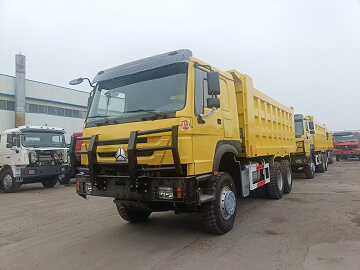
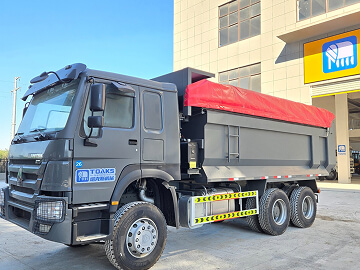
High-quality used tipper trucks from China’s leading machinery exporter — tested, reliable, and ready for tough jobs


Volvo FM
45 493EUR
- ≈ 5 004 184 INR
- ≈ 52 568 USD


Volvo FH540 6x4


Volvo FH540 8x4


Volvo Komplett tippsett - Det kan du leie hos oss !!!
4 million buyers per month search for vehicles and machinery on Truck1.



XCMG XGA3250D2WC


MAN TGS 26.440 , KIPER MEILLER BORDMATIK
61 661EUR
Price excl. VAT
- ≈ 6 782 648 INR
- ≈ 71 251 USD


FORD F-LINE 4145D L 16S
134 500EUR
Price excl. VAT
- ≈ 14 794 865 INR
- ≈ 155 420 USD


SINOTRUK HOWO 6x4
15 000EUR
- ≈ 1 649 985 INR
- ≈ 17 333 USD


Sinotruk Howo 6*4
15 000EUR
- ≈ 1 649 985 INR
- ≈ 17 333 USD


SHACMAN X3000

MAN TGS 35.460 8x6 Meiller Bordmatik
79 900EUR
Price excl. VAT
- ≈ 8 788 920 INR
- ≈ 92 327 USD


Mercedes-Benz Atego 1318N Wywrotka Żuraw Dżwig HDS Fassi F95
43 745EUR
- ≈ 4 811 906 INR
- ≈ 50 549 USD
Tippers Market Snapshot
Top manufacturers
Main locations to buy
China (Offers: 1306), Germany (Offers: 728), Netherlands (Offers: 394), Hungary (Offers: 365), Poland (Offers: 363)
Technical specifications
| Payload, kg | 2 544–50 000 |
| Gross weight, kg | 7 215–46 685 |
| Power output, hp | 152–573 |
| Price, EUR | 9 738–146 858 |
| Year | 1991–2026 |
| Mileage km | 250–772 885 |
| Registration year | 1987–2025 |
Tipper trucks represent one of the most versatile categories of commercial vehicles, specifically engineered for the efficient transportation and unloading of bulk materials through hydraulically operated tipping mechanisms. These specialized vehicles feature reinforced dump bodies mounted on robust chassis systems, enabling operators to discharge cargo by raising the front or rear of the load compartment. Tipper truck applications span construction, mining, agriculture, and waste management industries where bulk material handling forms a critical operational component. The tipper market encompasses diverse configurations ranging from compact pickup tipper units for urban construction to massive 40 ton tipper truck systems for heavy-duty mining operations. Modern tipper trucks integrate advanced hydraulic systems, automated controls, and safety mechanisms to maximize operational efficiency while ensuring operator safety. Companies evaluating tipper truck price options can choose from various capacity ranges, typically spanning 3 to 40 tonnes payload, with pricing structures reflecting capacity, construction quality, and specialized features. Auto tipper mechanisms enhance operational efficiency by providing automated dumping cycles, while bulk tipper for sale options cater to high-volume material transport requirements. Understanding the technical specifications, payload requirements, and operational environments is essential when selecting appropriate tipper trucks that deliver optimal performance and return on investment.
Tipper Truck Classifications and Payload Specifications
Tipper trucks are systematically classified based on payload capacity, body configuration, and intended application requirements. Light-duty tipper trucks typically feature 3 to 7-tonne payload capacities, making them ideal for urban construction projects, landscaping operations, and small-scale material transport. These units often utilize pickup tipper configurations mounted on commercial vehicle chassis, providing excellent maneuverability in confined spaces while maintaining adequate carrying capacity for local operations.
Medium-duty tipper categories encompass 7 to 16-tonne payload vehicles that serve general construction, road maintenance, and agricultural applications. These units feature larger dump bodies with reinforced construction to handle abrasive materials like sand, gravel, and crushed stone. The HOWO 7t5 represents a popular configuration in this category, offering reliable performance with 7.5-tonne payload capacity and robust hydraulic systems designed for frequent dumping cycles.
Heavy-duty tipper trucks exceed 16-tonne payload capacity, with 40 ton tipper truck configurations representing the maximum legal road transport limits in most jurisdictions. These massive units serve mining operations, large construction projects, and bulk material transport where maximum payload efficiency is essential. Heavy-duty tippers incorporate reinforced chassis designs, high-capacity hydraulic systems, and specialized dump body construction to handle extreme loading conditions.
Specialized tipper configurations include articulated units for maximum payload capacity, off-road mining tippers with enhanced durability, and multi-axle configurations for improved weight distribution. Each classification addresses specific operational requirements while maintaining the fundamental tipping mechanism that defines this vehicle category.
Body configuration options include rear-dump, side-dump, and three-way dump designs, each optimized for specific material types and unloading environments. Rear-dump configurations provide maximum versatility, while side-dump units excel in confined spaces, and three-way systems offer operational flexibility for various unloading scenarios.
Hydraulic Systems and Operational Mechanisms
Tipper truck hydraulic systems represent the core technology enabling efficient material discharge through controlled body elevation. These systems typically operate at pressures ranging from 150 to 250 bar, generating sufficient force to lift fully loaded dump bodies weighing up to 40 tonnes. Hydraulic cylinders feature telescopic designs with extension lengths ranging from 1.5 to 4 meters, providing dump angles between 45 and 60 degrees for complete material evacuation.
Auto tipper mechanisms integrate electronic control systems that automate the dumping process, reducing operator workload while ensuring consistent performance. These systems incorporate sensors that monitor body position, hydraulic pressure, and safety parameters to prevent operational hazards. Advanced auto tipper systems feature programmable dumping cycles, speed control, and automatic return functions that optimize operational efficiency.
Power take-off systems provide hydraulic power through engine-driven pumps, typically generating flow rates between 80 and 200 liters per minute depending on system requirements. Gear pumps represent the most common configuration for tipper applications, offering reliable performance and cost-effective maintenance. Variable displacement pumps are utilized in high-performance applications where precise flow control is required.
Safety systems integrate multiple protection mechanisms including body support stands, hydraulic relief valves, and operator warning systems. Modern tipper trucks incorporate electronic stability monitoring that prevents unsafe operation when the vehicle is not properly positioned or when ground conditions are unsuitable for safe dumping operations.
Hydraulic filtration systems ensure long-term reliability through contamination control, typically featuring 10-micron filtration with bypass protection. Regular hydraulic fluid analysis and filter replacement schedules are essential for maintaining system performance and preventing costly component failures that could interrupt operations.
Construction Applications and Material Handling
Construction industry applications represent the primary market segment for tipper trucks, with operations spanning residential development, commercial construction, and infrastructure projects. These applications require vehicles capable of transporting diverse materials including sand, gravel, crushed stone, soil, and demolition debris. Tipper car configurations serve smaller residential projects where access restrictions limit larger vehicle use, while full-size tipper trucks handle major construction site requirements.
Road construction and maintenance operations utilize tipper trucks for asphalt transport, aggregate distribution, and debris removal. These applications demand vehicles with heated dump bodies for asphalt transport, specialized linings for corrosive materials, and high-capacity hydraulic systems for frequent dumping cycles. The ability to discharge materials at precise locations while maintaining consistent flow rates is critical for road construction quality.
Mining operations employ the largest tipper truck configurations, including 40 ton tipper truck systems designed for maximum payload efficiency in quarry and mining environments. These applications require enhanced durability features including reinforced chassis construction, specialized suspension systems, and cooling enhancements for continuous operation in demanding conditions.
Agricultural applications utilize tipper trucks for grain transport, fertilizer distribution, and harvest operations. These applications often require specialized body configurations with removable sides, tailgate modifications, and enhanced sealing to prevent material loss during transport. Bulk tipper for sale options in agricultural markets typically feature corrosion-resistant construction and easy cleaning capabilities.
Waste management operations integrate tipper trucks for construction debris transport, yard waste collection, and recycling material handling. These applications require vehicles capable of handling mixed materials with varying densities while maintaining operational safety and efficiency throughout extended duty cycles.
Pricing Structure and Economic Considerations
Tipper truck price structures reflect multiple variables including payload capacity, hydraulic system complexity, body construction materials, and manufacturer specifications. Entry-level pickup tipper units typically range from ₹8-15 lakhs, providing cost-effective solutions for small-scale operations with limited capacity requirements. These units offer basic hydraulic systems and standard dump body construction suitable for light-duty applications.
Medium-capacity tipper trucks with 7-16 tonne payload capacity generally range from ₹20-45 lakhs, depending on chassis specifications, hydraulic system features, and body construction quality. The LMD tipper price category often falls within this range, offering reliable performance with standardized components that reduce maintenance costs and improve parts availability.
Heavy-duty tipper trucks, including 40 ton tipper truck configurations, command premium pricing typically exceeding ₹60 lakhs due to specialized construction requirements, high-capacity hydraulic systems, and enhanced durability features. These units justify higher acquisition costs through improved payload efficiency, reduced per-tonne transport costs, and enhanced operational capabilities in demanding applications.
Operating cost analysis encompasses fuel consumption, maintenance expenses, hydraulic system servicing, and body wear replacement. Tipper truck fuel consumption typically ranges from 3-6 kilometers per liter depending on vehicle size, payload weight, and operational conditions. Loaded operations consume significantly more fuel than empty returns, making route optimization essential for cost control.
Maintenance costs generally represent 10-15% of initial purchase price annually, including hydraulic system servicing, body liner replacement, and chassis maintenance. Hydraulic system maintenance requires specialized knowledge and equipment, making service network availability an important consideration in total cost of ownership calculations.
Selection Criteria and Procurement Guidelines
Tipper truck selection requires comprehensive analysis of operational requirements, material characteristics, and duty cycle expectations. Payload capacity should align with typical load weights while considering legal axle limits and optimal transport economics. Undersized vehicles reduce operational efficiency, while oversized units increase unnecessary acquisition and operating costs without proportional benefits.
Body construction specifications must match material characteristics and operational demands. Steel construction provides durability for abrasive materials but increases vehicle weight, while aluminum bodies offer weight savings for increased payload capacity. Specialized linings may be required for corrosive materials or sticky substances that could interfere with complete material discharge.
Hydraulic system specifications should provide adequate lifting capacity with appropriate cycle times for operational requirements. High-frequency dumping applications require robust hydraulic systems with enhanced cooling capacity, while occasional-use applications can utilize simpler, more economical configurations. Auto tipper features should be evaluated based on operator convenience and operational efficiency benefits.
Chassis selection must accommodate dump body weight, provide adequate stability during dumping operations, and deliver appropriate power for loaded operation. Engine specifications should provide sufficient power for hill climbing with full loads while meeting emission standards and fuel economy targets. Transmission selections often favor automated systems for driver comfort and operational consistency in stop-and-go environments.
Manufacturer reputation and service support availability represent critical factors for commercial tipper operations. Established manufacturers typically offer comprehensive parts availability, technical support, and warranty coverage essential for maintaining high vehicle availability. Service network coverage should align with operational territories to minimize downtime during maintenance or repair requirements.
Maintenance Requirements and Safety Protocols
Tipper truck maintenance programs must address the unique stresses encountered in dump operations, including hydraulic system care, body structural integrity, and safety system verification. Hydraulic system maintenance requires regular fluid analysis, filter replacement every 500-1000 hours, and cylinder seal inspection to ensure reliable operation and prevent costly failures during critical operations.
Dump body maintenance focuses on structural integrity verification, hinge point lubrication, and liner condition assessment. Regular inspection of body mounting points, hydraulic cylinder attachments, and tailgate mechanisms prevents structural failures that could result in operational hazards or extended downtime. Body liner replacement intervals vary based on material abrasiveness and operational intensity.
Safety system verification includes regular testing of body support stands, hydraulic relief valves, and operator warning systems. These critical safety components must function correctly to prevent accidents during maintenance or emergency situations. Documentation of safety system testing is typically required for insurance and regulatory compliance purposes.
Operator training programs ensure safe tipper operation while maximizing equipment lifespan and operational efficiency. Training topics include proper loading procedures, dumping site evaluation, hydraulic system operation, and emergency response protocols. Understanding material distribution effects on vehicle stability is essential for safe operation, particularly when operating on uneven terrain.
Preventive maintenance scheduling should account for operational intensity, material characteristics, and environmental conditions. High-abrasion applications require more frequent inspection and component replacement, while corrosive materials may accelerate deterioration of body components and hydraulic seals requiring enhanced maintenance protocols.
What factors determine tipper truck price variations in the market?
Tipper truck prices vary based on payload capacity (3-40 tonnes), hydraulic system complexity, body construction materials, and chassis specifications. Pickup tippers start around ₹8-15 lakhs, medium-duty units range ₹20-45 lakhs, while 40 ton tipper trucks exceed ₹60 lakhs. Auto tipper features, specialized body construction, and manufacturer reputation significantly impact pricing structures.
How do I determine the right payload capacity for my operations?
Payload capacity selection should consider typical material weights, legal axle limits, and transport economics. Light-duty applications (3-7 tonnes) suit urban construction, medium-duty (7-16 tonnes) serve general construction needs, while heavy-duty (16+ tonnes) optimize bulk transport efficiency. Consider that fully loaded vehicles must comply with gross vehicle weight regulations and road restrictions.
What are the advantages of auto tipper systems over manual operation?
Auto tipper systems provide automated dumping cycles, reducing operator workload and ensuring consistent performance. These systems offer programmable dumping sequences, speed control, safety monitoring, and automatic return functions. While increasing initial cost by ₹2-5 lakhs, auto tippers improve operational efficiency, reduce operator fatigue, and enhance safety through electronic monitoring systems.
Are there specific licensing requirements for tipper truck operations?
Tipper truck operations require commercial driving licenses appropriate for vehicle gross weight, with endorsements for hazardous materials if applicable. Operators need training in hydraulic system operation, load distribution, dumping procedures, and safety protocols. Some jurisdictions require additional certification for construction site operations or waste transport activities.
What maintenance is required for tipper hydraulic systems?
Hydraulic system maintenance includes fluid analysis every 1,000 hours, filter replacement every 500-1,000 hours, and regular inspection of cylinders, hoses, and connections. Hydraulic fluid should be changed every 2,000-4,000 hours depending on operating conditions. Annual system pressure testing and safety valve verification ensure reliable operation and regulatory compliance.
How does the HOWO 7t5 compare to other medium-duty tipper options?
The HOWO 7t5 offers 7.5-tonne payload capacity with robust hydraulic systems and reliable chassis construction. Compared to similar capacity units, HOWO provides competitive pricing, good parts availability, and proven durability in construction applications. Consider local service support, warranty coverage, and specific feature requirements when comparing against alternative manufacturers.
What fuel consumption should I expect from different tipper truck sizes?
Tipper truck fuel consumption ranges from 4-6 km/liter for light-duty units to 2-4 km/liter for heavy-duty configurations. Loaded operations consume significantly more fuel than empty returns, making route optimization crucial. Factors affecting consumption include vehicle size, payload weight, terrain, driving patterns, and engine efficiency. Modern engines can improve consumption by 10-15% over older units.
Can tipper trucks be customized for specific material types?
Tipper trucks offer extensive customization including specialized body linings for sticky materials, heated bodies for asphalt transport, removable sides for agricultural use, and enhanced sealing for fine materials. Body configurations include rear-dump, side-dump, and three-way options. Customization increases costs but enables specialized applications and improved operational efficiency.
What safety considerations are important for tipper truck operations?
Critical safety considerations include proper load distribution, dumping site evaluation, hydraulic system maintenance, and operator training. Essential safety equipment includes body support stands, hydraulic relief valves, stability monitoring, and operator warning systems. Never operate on unstable ground, ensure adequate overhead clearance, and maintain safe distances from power lines during dumping operations.
How long do tipper trucks typically last in commercial service?
Well-maintained tipper trucks typically achieve 12-18 years of commercial service or 600,000-1,000,000 kilometers depending on application intensity and maintenance quality. Dump bodies often require refurbishment or replacement after 8-12 years due to material abrasion, while chassis components may achieve longer service life. Heavy-duty mining applications may reduce lifespan, while general construction use can exceed average expectations.