
Plows


Demblon TB 175 6 corps
1 500EUR
- ≈ 166 882 INR
- ≈ 1 748 USD


Kverneland Ls 100
13 900EUR
- ≈ 1 546 444 INR
- ≈ 16 198 USD


Bugnot SPG1014
500EUR
- ≈ 55 627 INR
- ≈ 582 USD


Kuhn Multi master 122
12 000EUR
- ≈ 1 335 060 INR
- ≈ 13 984 USD


Backed by our farming expertise to ensure you get the best value and reliable performance



Demblon 6 TC 75 L V
25 000EUR
- ≈ 2 781 375 INR
- ≈ 29 133 USD


Kuhn Varimaster 121
5 500EUR
- ≈ 611 902 INR
- ≈ 6 409 USD


Vogel & Noot XMS 950 ST
4 500EUR
- ≈ 500 647 INR
- ≈ 5 244 USD


Lemken vari-opal 8
6 500EUR
- ≈ 723 157 INR
- ≈ 7 574 USD
4 million buyers per month search for vehicles and machinery on Truck1.

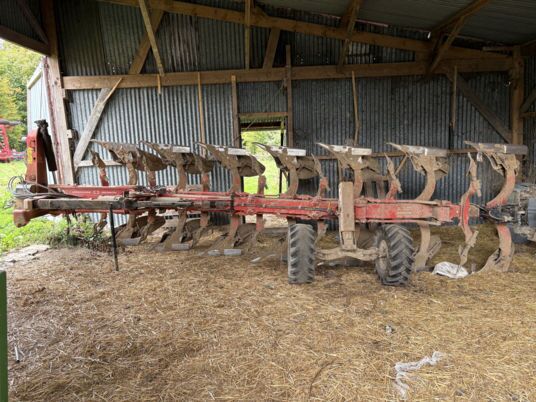
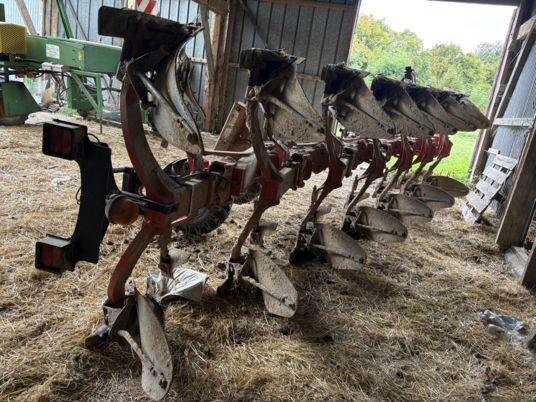
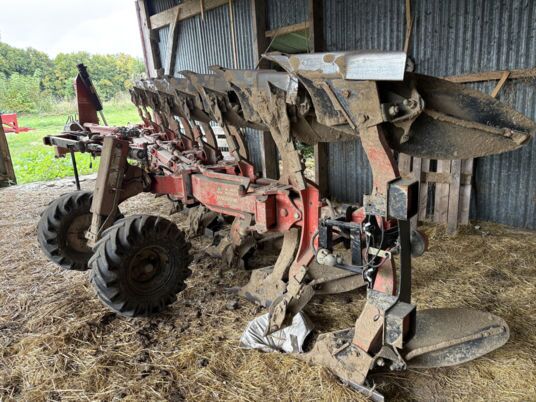

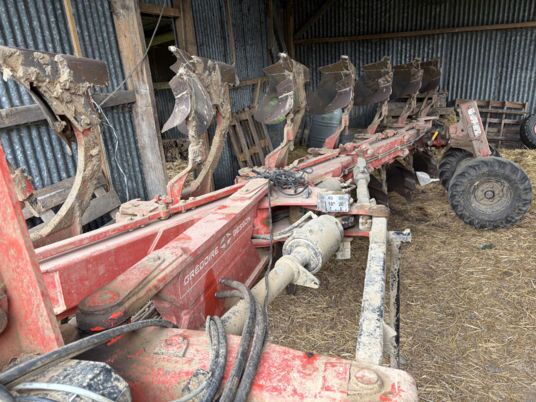
Gregoire Besson RWB9
16 000EUR
- ≈ 1 780 080 INR
- ≈ 18 645 USD


Gregoire Besson SPERB7 614 160 100
1 500EUR
- ≈ 166 882 INR
- ≈ 1 748 USD


Vogel & Noot 5 corps
4 500EUR
- ≈ 500 647 INR
- ≈ 5 244 USD


Vogel & Noot 3S ms 950
4 500EUR
- ≈ 500 647 INR
- ≈ 5 244 USD


Naud Rux 559
3 800EUR
- ≈ 422 769 INR
- ≈ 4 428 USD


Gregoire Besson 5 CORPS
700EUR
- ≈ 77 878 INR
- ≈ 815 USD


Lemken Variopal 8
13 500EUR
- ≈ 1 501 942 INR
- ≈ 15 732 USD


Lemken Juwel 8
12 000EUR
- ≈ 1 335 060 INR
- ≈ 13 984 USD


Lemken Variopal 8
9 000EUR
- ≈ 1 001 295 INR
- ≈ 10 488 USD


Vogel & Noot Plus XD 1000 Vario
9 900EUR
- ≈ 1 101 424 INR
- ≈ 11 536 USD


Kverneland LS 95-160
5 500EUR
- ≈ 611 902 INR
- ≈ 6 409 USD


Lemken VARIOPAL 8
9 000EUR
- ≈ 1 001 295 INR
- ≈ 10 488 USD
Plows Market Snapshot
Top manufacturers
Main locations to buy
Germany (Offers: 133), France (Offers: 67), Poland (Offers: 43), Denmark (Offers: 41), Netherlands (Offers: 36)
Technical specifications
| Hours, h | 1–400 |
| Power output, hp | 1–350 |
| Net weight, kg | 720–5 000 |
| Gross weight, kg | 440–440 |
| Working width, mm | 300–250 000 |
| Price, EUR | 261–43 655 |
| Year | 1987–2026 |
Agricultural plows represent fundamental implements for primary tillage operations, breaking and inverting soil to prepare seedbeds for crop establishment. These essential farming tools have evolved from simple wooden designs to sophisticated steel implements featuring advanced materials, precise geometries, and hydraulic adjustments that optimize soil preparation across diverse field conditions. Modern plowing operations require implements capable of handling various soil types, crop residues, and farming systems while maintaining consistent furrow quality and minimizing power requirements. The Lemken plough price reflects German engineering excellence and precision manufacturing, with models ranging from compact 2-furrow units starting around ₹2-4 lakhs to large 8-furrow systems exceeding ₹15 lakhs depending on specifications and features. Professional farming operations increasingly demand plows that combine durability, adjustability, and efficiency to maximize productivity while reducing fuel consumption and soil compaction. The lemken plough price list demonstrates the manufacturer's comprehensive range serving everything from small-scale farming to large commercial operations, with each model optimized for specific tractor power ranges and soil conditions.
Types and Classifications of Agricultural Plows
Moldboard plows represent the most common category, featuring curved surfaces that lift, invert, and bury crop residues while creating well-defined furrows. The lemken juwel 6 price in india reflects a premium 6-furrow reversible plow designed for tractors in the 150-200 horsepower range, typically priced around ₹12-15 lakhs depending on optional features and dealer markup. These implements feature adjustable working widths, hydraulic reset systems, and wear-resistant materials that ensure consistent performance across varying field conditions.
Reversible plows offer enhanced field efficiency by enabling plowing in both directions, eliminating the need for headland turns and reducing overall field time. The lemken mb plough price typically ranges from ₹8-12 lakhs for 4-5 furrow configurations, while larger models can exceed ₹15 lakhs. These implements feature sophisticated hydraulic systems that rotate the entire plow assembly, allowing operators to maintain consistent furrow direction regardless of travel direction.
Chisel plows provide aggressive primary tillage without complete soil inversion, maintaining crop residue on the surface for erosion control. These implements typically cost 30-40% less than comparable moldboard plows while offering reduced power requirements and faster operating speeds. The lemken 45 hp plough price reflects smaller implements designed for compact tractors, typically ranging from ₹1.5-3 lakhs depending on working width and features.
Disc plows utilize rotating steel discs to cut through soil and crop residues, particularly effective in trashy conditions where moldboard plows might clog. These implements typically feature 3-7 discs with diameters ranging from 24-32 inches, with pricing generally 20-30% higher than comparable moldboard plows due to the complexity of disc assemblies and bearing systems.
Specialized plows include subsoilers for deep tillage, listing plows for ridging operations, and vineyard plows for narrow-row applications. The lemken palti price reflects specialized implements designed for specific crops or tillage systems, typically commanding premium pricing due to limited production volumes and specialized engineering requirements.
Technical Specifications and Performance Parameters
Modern agricultural plows incorporate sophisticated engineering to optimize soil preparation while minimizing power requirements and wear. Working depths typically range from 15-35 centimeters, with hydraulic adjustment systems enabling precise depth control across varying field conditions. The lemken 2mb plough price reflects advanced 2-furrow models featuring automatic reset systems, adjustable working widths, and reinforced construction designed for continuous commercial operation.
Furrow width specifications determine overall implement productivity and tractor power requirements. Standard furrow widths range from 12-18 inches (30-45 cm), with wider furrows requiring proportionally more power but covering ground faster. The lemken plough 14 inch price typically reflects mid-range models suitable for 60-100 horsepower tractors, balancing productivity with power requirements for medium-sized farming operations.
Share and moldboard materials significantly impact performance and longevity. High-carbon steel shares provide excellent wear resistance in abrasive soils, while specialized coatings reduce friction and improve soil flow characteristics. Replaceable wear parts including shares, landslides, and moldboard extensions enable field repairs and component renewal without replacing entire assemblies.
Hydraulic systems provide essential functions including depth control, width adjustment, and automatic reset protection. Modern plows feature electronically-controlled hydraulics that integrate with tractor systems for precise implement control and monitoring. Advanced models include load sensing that automatically adjusts working parameters based on soil conditions and implement loads.
Frame construction utilizes high-strength steel designs that resist bending and cracking under high loads while maintaining implement geometry over extended service life. Modular designs enable furrow addition or removal to match seasonal requirements and field conditions, while standardized components simplify parts inventory and service procedures.
Applications and Soil-Specific Requirements
Primary tillage operations represent the most demanding plow applications, requiring complete soil inversion and residue burial to prepare clean seedbeds. These applications typically utilize moldboard plows with aggressive share angles and deep working capabilities. Heavy clay soils require implements with enhanced strength and hydraulic reset systems to handle rocks and hard-pan layers, while sandy soils benefit from gentler moldboard curves that minimize soil disturbance.
Conservation tillage systems utilize specialized plows that maintain surface residue while achieving necessary soil preparation. These implements feature modified moldboard designs, adjustable share angles, and residue management systems that balance soil preparation with erosion control. The lemken plough for sale market includes numerous models designed specifically for conservation tillage applications.
Specialty crop applications require implements designed for specific row spacings, soil conditions, and residue management requirements. Vegetable production often utilizes smaller plows capable of precise depth control and minimal soil compaction, while grain production emphasizes speed and capacity over precision. Orchard and vineyard applications require narrow implements with enhanced maneuverability for confined spaces.
Regional soil variations significantly influence plow selection and configuration. Rocky soils require automatic reset systems and reinforced construction to prevent damage from subsurface obstacles. Wet, sticky soils benefit from specialized moldboard coatings and aggressive share angles that prevent soil adhesion and maintain consistent furrow quality.
Seasonal considerations affect plow utilization and configuration requirements. Spring plowing typically involves higher moisture content soils that require gentler working to prevent compaction, while fall plowing can utilize more aggressive settings to achieve maximum residue burial and frost action benefits. Multi-season flexibility often justifies premium implement purchases that adapt to varying conditions.
Economic Analysis and Investment Considerations
Plow pricing structures reflect implement sophistication, manufacturer reputation, and market positioning strategies. The lemken plough price list demonstrates tiered pricing from basic 2-furrow units around ₹2-4 lakhs to sophisticated 8-furrow reversible plows exceeding ₹15 lakhs. Investment analysis must consider productivity improvements, fuel efficiency gains, and implement longevity that justify premium pricing over basic alternatives.
Operating costs include fuel consumption, maintenance, wear part replacement, and operator time. Efficient plow designs reduce tractor fuel consumption by 10-20% compared to poorly-designed implements, while high-quality construction minimizes maintenance requirements and extends service intervals. Annual operating costs typically range from 8-15% of implement purchase price, including wear parts, maintenance, and repairs.
Productivity calculations must account for field capacity, setup time, and seasonal utilization patterns. A well-designed 4-furrow plow can typically prepare 25-40 hectares per day depending on soil conditions and tractor power, while larger implements proportionally increase capacity. The lemken plough price list in india reflects models optimized for different productivity requirements and farm sizes.
Used equipment markets provide alternatives for cost-conscious operations, with 5-7 year old implements typically priced at 40-60% of new values. However, wear part costs and potential reliability issues must be evaluated against initial savings. Premium brands like Lemken typically maintain better resale values due to superior construction and dealer support networks.
Financing options include traditional equipment loans, lease arrangements, and seasonal payment programs that align cash flow with plowing seasons. Government subsidies and agricultural development programs often provide favorable terms for tillage equipment purchases, particularly for operations adopting conservation tillage practices or expanding cultivated acreage.
Selection Criteria and Optimization Strategies
Tractor compatibility represents the primary selection criterion, with implement size and power requirements matching available tractor capacity. The lemken 45 hp plough price reflects implements designed for compact tractors, while larger models require proportionally more power and hydraulic capacity. Undersized tractors result in poor performance and excessive wear, while oversized implements waste fuel and may cause soil compaction.
Soil condition analysis determines optimal plow configuration including share type, moldboard design, and working width. Heavy clay soils benefit from aggressive share angles and deeper working capabilities, while sandy soils require gentler approaches to maintain soil structure. Variable soil conditions within single farms may justify adjustable implements that adapt to changing requirements.
Field characteristics including size, shape, and obstacle density influence implement selection significantly. Large, rectangular fields accommodate wide implements that maximize productivity, while irregular fields may require smaller, more maneuverable units. Rock-prone fields necessitate automatic reset systems and reinforced construction that add cost but prevent expensive damage.
Operational priorities determine feature selection and pricing tolerance. Custom operations and large commercial farms typically justify premium implements with advanced features and high capacity, while smaller operations may prioritize basic functionality and lower initial cost. The lemken mb plough price reflects mid-range models that balance features with cost for typical commercial operations.
Dealer support and service availability significantly impact long-term satisfaction and operating costs. Established dealer networks provide parts availability, technical support, and seasonal service that maximize implement uptime during critical plowing periods. Remote locations may favor simpler implements with standard parts availability over sophisticated designs requiring specialized service.
Maintenance and Performance Optimization
Daily maintenance procedures ensure optimal plow performance and prevent costly failures during critical plowing seasons. Pre-operation inspections should include share condition, bolt tightness, hydraulic fluid levels, and structural integrity examination. Share replacement or sharpening maintains consistent furrow quality and reduces power requirements, while prompt attention to loose bolts prevents more serious structural damage.
Seasonal maintenance includes complete lubrication, hydraulic system service, and wear part evaluation. Moldboard and share replacement typically occurs annually or every 400-600 hours depending on soil conditions and operating practices. The lemken price list includes comprehensive parts catalogs that facilitate maintenance planning and cost estimation for various implement models.
Proper storage prevents corrosion and component degradation during off-season periods. Cleaned implements should be stored in dry conditions with exposed metal surfaces treated with rust preventive coatings. Hydraulic cylinders should be fully retracted and capped to prevent contamination, while grease points should be serviced before storage to displace moisture and contaminants.
Performance optimization requires regular calibration and adjustment of working parameters. Proper share angles, moldboard clearances, and depth settings maximize efficiency while minimizing wear and power requirements. Electronic monitoring systems on advanced implements provide real-time feedback on working parameters and suggest adjustments for optimal performance.
Wear pattern analysis helps identify operational issues and optimization opportunities. Uneven share wear may indicate improper adjustment or soil condition changes, while excessive moldboard wear suggests improper share angles or working speeds. Professional implement dealers often provide analysis services that identify improvement opportunities and prevent costly component failures.
What factors determine lemken plough price ranges across different models and configurations?
Lemken plough price depends on furrow count, implement width, hydraulic features, and construction quality. Basic 2-furrow models start around ₹2-4 lakhs, while advanced 6-furrow reversible plows like the Juwel series can exceed ₹12-15 lakhs. Key price factors include German engineering quality, automatic reset systems, hydraulic adjustments, and wear-resistant materials. The lemken plough price list reflects tiered offerings from compact tractors (45-60 HP) to large commercial units (200+ HP), with premium features adding 20-40% to base pricing.
How does the lemken juwel 6 price in india compare to other premium plow manufacturers?
The lemken juwel 6 price in india typically ranges from ₹12-15 lakhs, positioning it as a premium option compared to domestic alternatives that may cost 30-50% less. However, Lemken's German engineering, superior materials, and comprehensive dealer support often justify the premium through longer service life, better fuel efficiency, and higher resale values. Compared to other European brands like Kuhn or Kverneland, Lemken pricing is competitive while offering unique features like advanced hydraulic systems and modular construction.
What are the power requirements and operating costs for different lemken plow configurations?
Power requirements range from 45-60 HP for 2-furrow plows to 180-220 HP for 6-furrow models like the Juwel series. The lemken 45 hp plough price reflects compact models suitable for smaller tractors, while larger units require proportionally more power. Operating costs include fuel consumption (15-25 liters per hectare), wear parts (₹15,000-40,000 annually), and maintenance (8-12% of purchase price yearly). Efficient Lemken designs typically reduce fuel consumption by 10-15% compared to conventional plows through superior soil flow and reduced draft requirements.
How do reversible plows like the lemken mb plough compare to conventional moldboard plows?
The lemken mb plough price typically exceeds conventional plows by 30-50% but provides significant operational benefits including elimination of headland turns, improved field efficiency, and consistent furrow direction. Reversible plows can increase field capacity by 15-25% while reducing operator fatigue and soil compaction from turning operations. However, they require more sophisticated hydraulic systems and maintenance, making them most cost-effective for operations exceeding 200 hectares annually or custom operations requiring maximum efficiency.
What maintenance requirements are critical for lemken plow longevity and performance?
Critical maintenance includes daily share inspection and cleaning, weekly grease point lubrication, and seasonal hydraulic system service. Share replacement typically occurs every 400-600 hours depending on soil conditions, costing ₹8,000-15,000 per set. Annual maintenance should include complete bolt inspection, moldboard examination, and frame alignment checks. Proper storage with rust prevention and hydraulic cylinder protection extends service life significantly. The lemken price list includes comprehensive parts pricing that helps plan maintenance budgets averaging 10-15% of implement value annually.
How do soil conditions affect lemken plow selection and configuration options?
Soil conditions significantly influence plow selection, with heavy clay soils requiring models with automatic reset systems and reinforced construction, while sandy soils benefit from gentler moldboard curves and lighter construction. Rocky conditions necessitate spring-loaded or hydraulic reset systems that add ₹50,000-1.5 lakhs to implement cost but prevent expensive structural damage. The lemken palti price reflects specialized configurations for specific soil types, with adjustable features enabling adaptation to varying field conditions within single operations.
What financing and leasing options are available for lemken plow purchases in India?
Financing options include traditional equipment loans (8-12% interest, 5-7 year terms), manufacturer financing programs, and government subsidy schemes offering 25-50% purchase price assistance for qualifying farmers. Leasing arrangements typically require 15-25% down payment with 3-5 year terms. Seasonal payment programs align payments with harvest cash flow, while trade-in programs provide additional value for existing equipment. Custom operators often utilize lease programs that include maintenance packages, reducing operational complexity and cost uncertainty.
How do lemken plows perform in conservation tillage and sustainable farming systems?
Lemken offers specialized models designed for conservation tillage that maintain 30-50% surface residue while achieving necessary soil preparation. These systems reduce erosion by 60-80% compared to conventional tillage while maintaining crop yields. The lemken plough for sale market includes models with adjustable moldboards, residue management systems, and reduced working depths that support sustainable farming practices. However, conservation tillage may require 10-20% higher implement costs and modified operating techniques compared to conventional systems.
What are the productivity and efficiency differences between lemken plow sizes?
Productivity scales approximately linearly with furrow count, with 2-furrow plows covering 8-12 hectares per day, 4-furrow units achieving 20-30 hectares daily, and 6-furrow models reaching 35-45 hectares per day under optimal conditions. The lemken plough 14 inch price reflects mid-range productivity suitable for 100-300 hectare operations. Larger plows provide better economies of scale but require proportionally more tractor power and may be limited by field size and access constraints. Setup and transport time become less significant with larger implements, improving overall efficiency.
How do lemken plow features and technology compare to domestic Indian manufacturers?
Lemken plows typically feature superior metallurgy, precision manufacturing, and advanced hydraulic systems compared to domestic alternatives. German engineering provides 20-30% longer wear part life, 10-15% better fuel efficiency, and enhanced adjustability for varying conditions. However, domestic manufacturers offer 30-50% lower initial costs, better parts availability, and service networks more suitable for remote locations. The lemken plough price list reflects premium positioning that may justify costs for commercial operations but may exceed requirements for smaller farms with limited budgets.